English
 Español
 Français
 Deutsch
 Italiano
 Português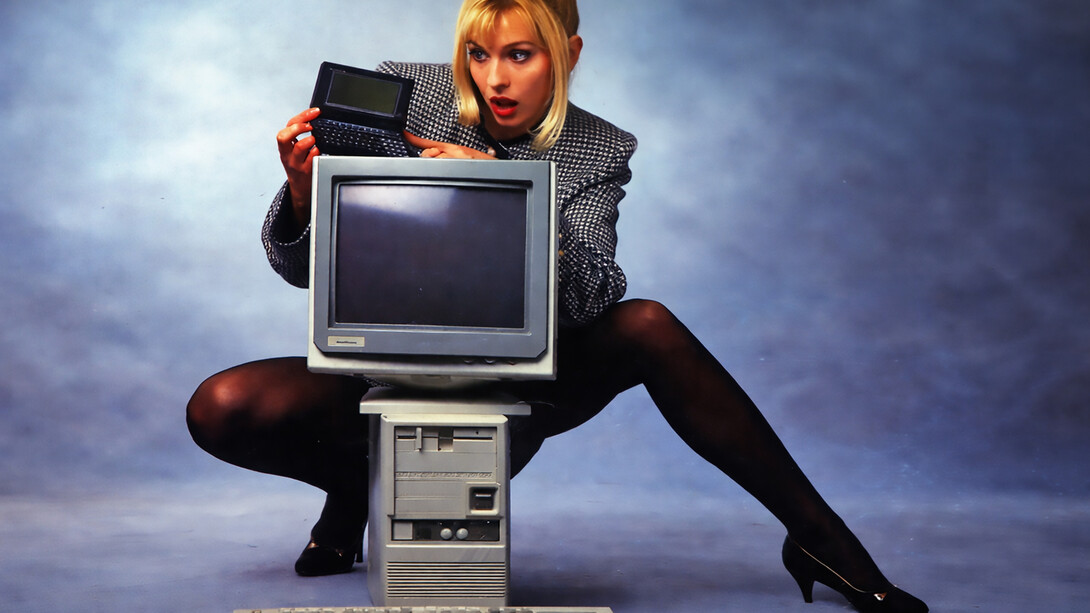
Time doesn’t wait for anyone. It marches forward whether the world is celebrating or falling apart. Yesterday’s breaking news becomes tomorrow’s forgotten search result. A moment once captured in rapid-fire photos now disappears into the endless scroll of a phone’s camera roll.
Yet life keeps going. People trip over obstacles and stand back up. Children are born, people die, disasters strike, and occasionally something miraculous emerges from the chaos. Nature changes, societies adapt, and the world keeps reinventing itself.
Looking back is both strange and entertaining. What once felt modern now feels almost ancient. In 1996, the digital revolution was only beginning. The internet arrived slowly through screeching dial-up connections, and few imagined how much it would reshape everyday life. By 2026, nearly two-thirds of humanity is connected online, powering a fully integrated digital world. In just three decades, education, technology, and entertainment have transformed in ways that once belonged only in science fiction.
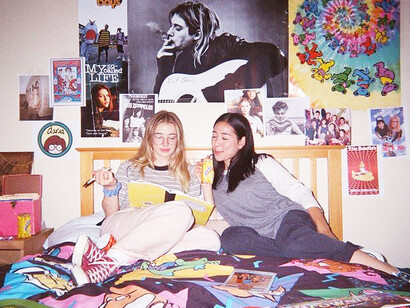
In 1996, homework lived in a very physical world. Students sat in classrooms, copied notes from chalkboards, and turned in essays written carefully in their own handwriting. Most schoolwork still traveled the old-fashioned way, by hand. Assignments were stacked neatly in trays on the teacher’s desk. Science projects, poster boards, and history reports were carried carefully into school. If something happened to your assignment, that was usually the end of it.
Many students relied on the unmistakable yellow-and-black CliffsNotes booklets to decode Shakespeare or summarize Dickens the night before a test. For more serious research, there was the towering Encyclopaedia Britannica, a 32-volume monument to knowledge that libraries and some families proudly displayed on their bookshelves.
Naturally, this led to the golden age of homework excuses. “The dog ate my homework” became the classic defense, sometimes upgraded to include a mischievous cat or a paper-shredding younger sibling. As computers slowly appeared in homes, new excuses emerged: the computer crashed, the printer ran out of ink, the floppy disk was corrupted, or someone was using the phone line, because dial-up internet meant you couldn’t research anything while the phone was in use.
Fast forward to 2026, and the classroom looks like something out of a tech startup rather than a scene from a dusty chalkboard era. Nearly everything has gone digital. Students arrive armed with laptops, tablets, and smartphones, devices that hold more information than an entire library did thirty years ago. Assignments no longer sit in trays on a teacher’s desk; they are uploaded to online portals, often accompanied by sleek PowerPoint presentations with embedded videos, animated graphics, and the occasional meme.
And then there’s artificial intelligence. Students now have access to tools like ChatGPT, which can explain complex ideas, help brainstorm essays, translate languages, and summarize information in seconds. Used thoughtfully, it can help students begin research, organize ideas, and understand difficult topics across many subjects.
In other words, the homework excuses have evolved as well. The dog may no longer be eating homework, but the Wi-Fi might mysteriously stop working, the learning portal might “refuse to upload,” or the laptop battery may die at the most inconvenient moment.
Technology in 1996 felt futuristic at the time, even though it now looks charmingly prehistoric. Take pagers, for example. If you had one, those little vibrating rectangles made you feel incredibly important when they buzzed on your belt. If you were truly high-tech, the tiny screen might even tell you who was trying to reach you. Of course, replying required an extra step: locating a phone booth, digging through your pockets for coins, and calling the person back like some kind of communication archaeologist.
Technology in entertainment came with its own rituals. A Friday night often meant a trip to Blockbuster, where you wandered the aisles hoping the last copy of the movie you wanted hadn’t already been taken. The prize was a chunky VHS tape that absolutely had to be rewound before returning it, or face the dreaded “Be Kind, Rewind” shame.
And then there were the everyday gadgets that now feel like museum pieces. The Walkman was the ultimate badge of cool, allowing you to carry your music everywhere, provided you had spare batteries and didn’t mind occasionally flipping the cassette.
Offices echoed with the rhythmic clack-clack-ding of the typewriter. Today we enjoy silent keyboards, autocorrect, and infinite backspace, but we also lost the dramatic satisfaction of slamming a carriage return like you had just finished writing the next great novel.
Entertainment itself has also changed dramatically. In the summer of 1996, five young women burst into global consciousness shouting, “If you wanna be my lover…” and suddenly the world had a new rallying cry: Girl Power. The song Wannabe was as chaotic behind the scenes as it sounded on the radio. It was reportedly written in a frantic 30-minute burst, recorded in less than an hour, and initially rejected by music executives.
If Wannabe dominated the charts, The Macarena ruled the dance floor. The Spanish pop song by Los del Río, telling the surprisingly scandalous story of a woman cheating on her boyfriend with two of his friends while he’s away in the army, somehow became the soundtrack to weddings, birthday parties, school gyms, and nearly every public gathering in the mid-1990s.
Its global explosion and real magic was the dance: a simple sequence of arm movements and a hip wiggle that anyone could learn in seconds. Soon entire crowds were performing it in synchronized enthusiasm without rehearsal. From cruise ships and sporting events to the 1996 Democratic National Convention, the Macarena was everywhere, transforming a cheeky Spanish pop tune into one of the most recognizable dance crazes in modern pop culture.
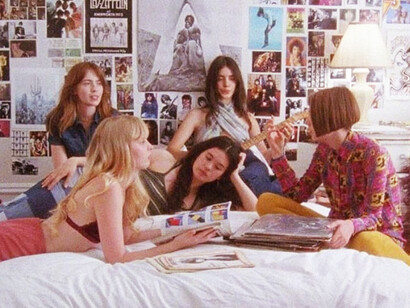
In 1996, discovering music was largely a shared experience. People heard songs on the radio, watched music videos on MTV, or waited patiently to record a favorite track onto a cassette tape, often with the DJ talking right over the intro. Entire countries often seemed to move in sync with the same handful of hits playing everywhere.
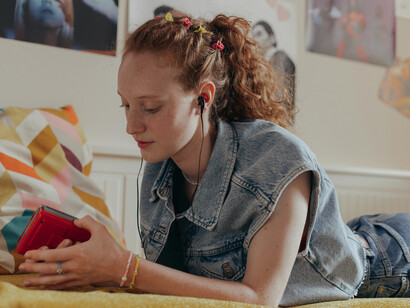
By 2026, music discovery had shifted from waiting to scrolling. Songs traveled through Spotify playlists, TikTok videos, YouTube recommendations, and streaming algorithms that often seemed to know listeners’ tastes better than they did themselves. Instead of hearing the same ten songs on the radio all summer, audiences can instantly explore millions of tracks. A catchy 15-second clip on social media could launch a song into global fame overnight.
In the 1990s, everyone seemed to be listening to the same soundtrack. Today, everyone has their own. Thirty years from now, someone will look back at 2026 the same way we now look at 1996, wondering what comes next.
The world in 2056 will certainly look very different. Driverless cars may be prevalent, doctors may use AI to catch diseases before symptoms even appear, and students may learn history by walking through virtual recreations of ancient cities. Homes will likely produce their own power, language barriers may fade with real-time translation, and a trip to space might feel less like science fiction and more like an expensive vacation.
Yet some things will refuse to change. People will still chase opportunity, families will still gather around meals, and someone, somewhere, will still be explaining to the next generation what life was like ‘back in the old days.’ Because while technology keeps racing forward, human nature tends to move at a much steadier pace.