English
 Español
 Français
 Deutsch
 Italiano
 Português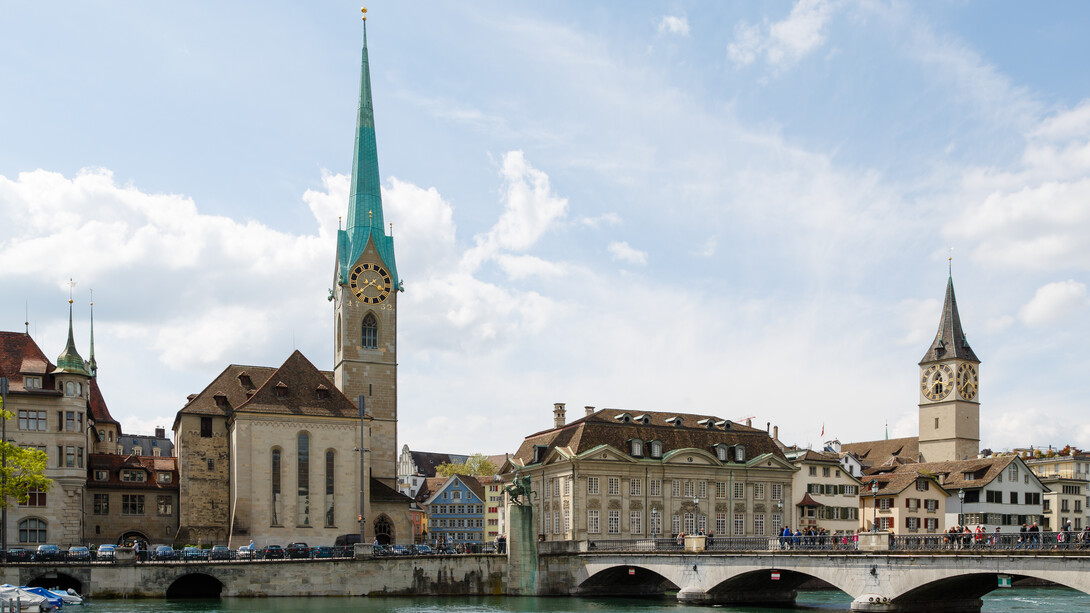
There are places where art does not stand apart from space.
It becomes the space.
Across history, sacred architecture has often aimed to create this very condition: not simply a setting for belief, but an environment in which perception itself is altered. Churches, temples, and sanctuaries have long used light, sound, and rhythm to slow the body and open the mind. In such spaces, art is not decoration but mediation—a bridge between the material and the invisible. Yet only rarely does this mediation feel complete, as if the boundary between art and architecture has dissolved entirely.
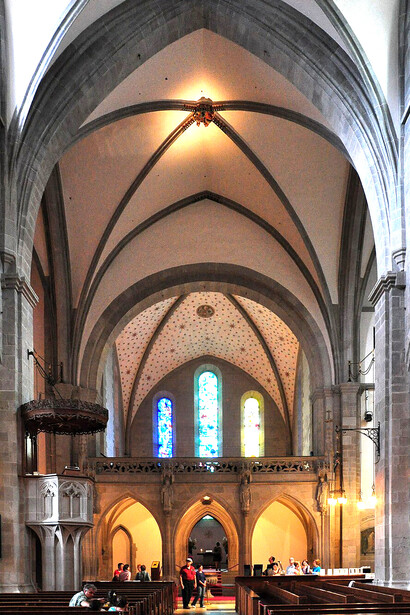
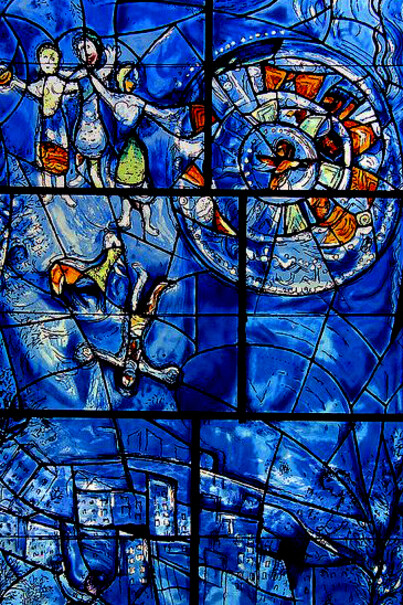
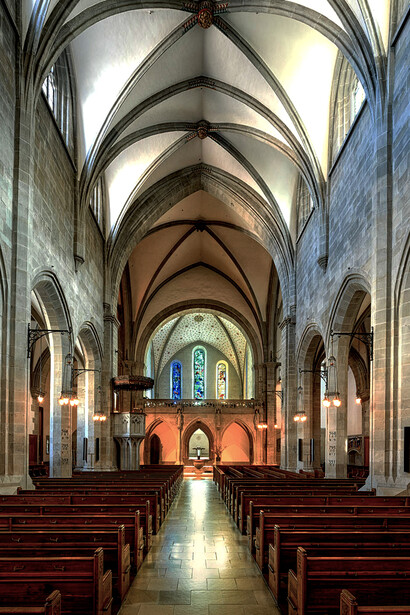
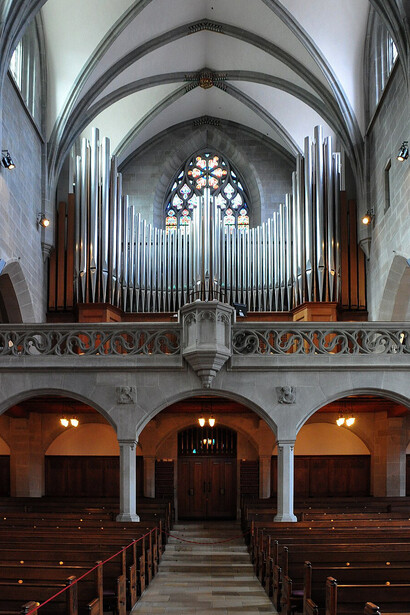
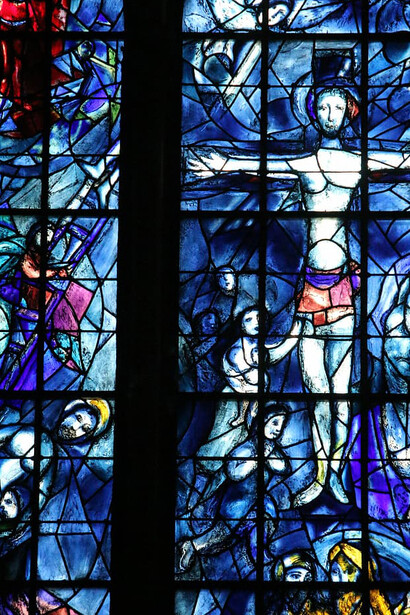
The Fraumünster in Zurich is one of those rare places. From the outside, it feels calm, even restrained. But once inside, light begins to move differently. It slows down. It softens. It carries color as if color itself were memory. The stained-glass windows created by Marc Chagall do not simply decorate the church; they transform it into something inward, emotional, and quietly overwhelming.
This transformation is not immediate or dramatic. It unfolds gradually, through attention and presence. The space does not impose itself; it invites you to adjust your pace, to notice how your own body responds to light. In this sense, the Fraumünster resists the monumental authority often associated with religious interiors. Instead of grandeur, it offers intimacy.
Chagall created these windows late in his life, in the 1960s, when he had already lived through exile, loss, war, and displacement. By then, his art was no longer searching for form. It was searching for essence. The Fraumünster windows were not commissions meant to impress or instruct. They were acts of reflection—almost confessions made of glass and light.
This late style carries a particular weight. Having witnessed the collapse of certainties—political, cultural, and spiritual—Chagall no longer sought resolution through narrative clarity. What mattered was not explanation, but resonance. His engagement with biblical material becomes less about illustrating scripture and more about translating lived experience into symbolic form.
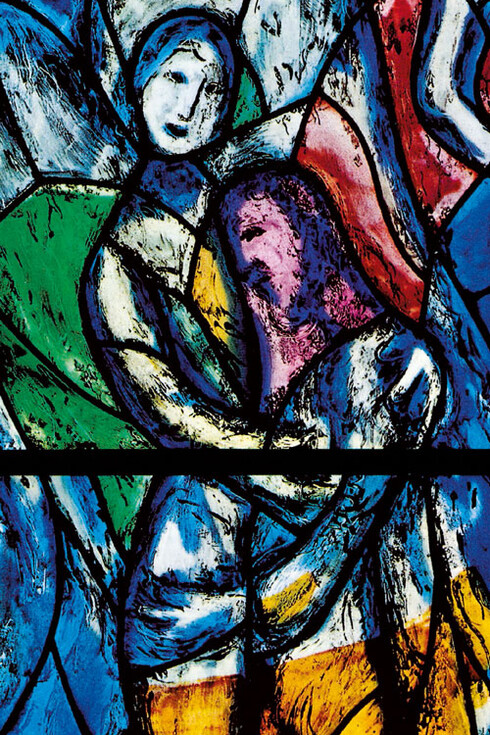
Each window tells a biblical story, yet not in the traditional language of church art. There is no cold grandeur, no distant holiness. Instead, everything feels fragile, human, and deeply felt. Figures float rather than stand. Faces are not perfect. The stories seem remembered rather than narrated.
This sense of memory is crucial. Rather than presenting sacred history as something fixed and authoritative, the windows treat it as something internalized—carried through time, altered by experience. The biblical past is not distant; it feels close, wounded, and emotionally available. In this way, Chagall’s work aligns less with institutional theology and more with personal faith.
Blue dominates the space—Chagall's unmistakable blue. It feels like sky, but also like water, like depth, like silence. This blue does not decorate the light; it becomes the light. When the sun passes through the glass, the church seems to breathe. Walls dissolve. Time loosens.
Color here is not symbolic in a strict sense; it is experiential. Blue functions as atmosphere rather than sign. It absorbs sound, slows movement, and creates a sense of suspension. The physical boundaries of the church seem less important than the emotional field created within it.
If you enter the Fraumünster when music is playing—an organ, a choir, or even a single sustained note—the experience becomes almost unbearable in its beauty. Sound and color merge. You no longer observe the windows; you are inside them. It feels less like visiting a church and more like stepping into a state of being.
This fusion of senses recalls ancient ritual practices, where sound, light, and movement worked together to induce transformation. The experience is not intellectual but bodily. Meaning is not decoded; it is felt.
One window, in particular, carries the story of the Virgin Mary and the loss of her son. But this loss is not presented as heroic or resolved. It is quiet. It is heavy and light at once. Chagall allows grief to exist without explaining it away. This is unusual in Christian visual tradition, where suffering is often quickly redeemed by triumph.
Here, loss is acknowledged—but it is not final.
There is something ancient in this approach. Something that feels older than Christianity itself. The windows seem to carry echoes of pre-Christian beliefs—a sense of cycles, transformation, and continuity. Pagan energy is present, not as opposition, but as a foundation. Christianity, in Chagall’s vision, does not erase what came before. It absorbs it. It translates older ways of understanding the world into new forms.
This layered spirituality may explain why the windows resonate so strongly beyond confessional boundaries. They do not insist on belief; they suggest continuity. They acknowledge that grief, love, and hope existed long before doctrine—and will continue long after it.
This is why the windows feel so spiritual even beyond religion. They speak a language of transformation rather than doctrine. What is lost is not gone. It has changed its state. Like light passing through glass, sorrow becomes something that still shines.
Chagall once said that stained glass is a form of “transparent painting,” and nowhere is this more true than in the Fraumünster. These windows are not meant to be looked at directly. They must be entered through light. Their meaning appears slowly, through patience and presence.
Standing there, you feel that the stories are not only biblical. They are human. They speak of mothers, loss, exile, hope, and endurance. They feel tragic, yes, but never hopeless. Chagall’s tragedy is emotional, not destructive. It is full of love.
What makes these windows extraordinary is not their technique nor their fame, but their honesty. They do not try to convince. They allow. They hold space for feeling without demanding interpretation.
The Fraumünster becomes, through these windows, a place where belief is not something you are asked to accept but something you are invited to feel. A place where light carries memory, and memory becomes something gently shared.
When you leave, the colors stay with you, especially the blue. It feels less like something you saw and more like something you passed through. And long after, you realize that what touched you was not only art but the quiet truth that loss, faith, and beauty can exist together—transformed, but still alive.