English
 Español
 Français
 Deutsch
 Italiano
 Português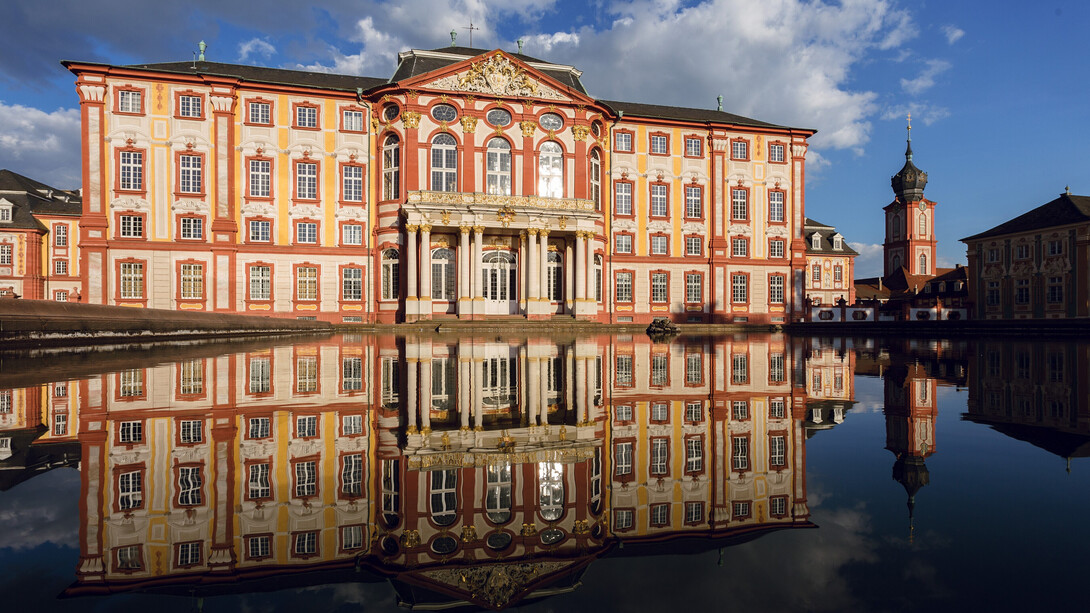
Built in Waldkirch, Germany, the neo-Baroque- style military carousel organ with 15 delicately carved figures whose heads, eyes, eyebrows, arms, hands, and even eyebrows move, is a work of art and precision. Made of Swiss pine painted white with decorative carvings and dramatic gold embellishments, it ended up in, of all places, a Coney Island restaurant in New York in 1912.
Coney Island, then and now, is known for its amusement parks and boardwalks, as well as being famous for its hot dogs, making it an odd destination for such a fine piece of art. But before jukeboxes and radios gave way to apps that play music on your cell phone, mechanical instruments like these reigned for several centuries, providing both visual and audio entertainment.
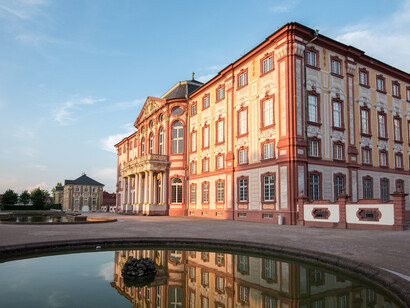
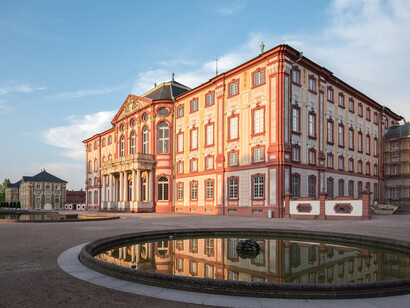
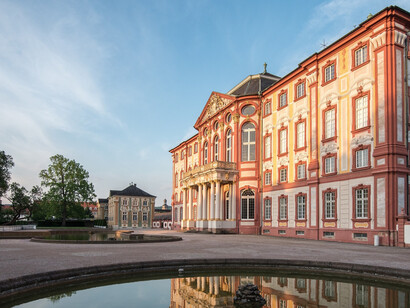
An obscure object from a very different time, the organ was passed along to different owners before finding its way to the Deutsche Musikautomaten-Museum (German Museum of Mechanical Musical Instruments) in Bruchsal, a lovely town in Southwest Germany that dates back a millennium. Here, the organ is a good fit, being among the 300 or so musical devices, all perfectly restored, that form one of Europe’s largest collections of self-playing instruments. Housed in part of the Badisches Landesmuseum, a museum in a complex centered around Bruchsal Castle, one of the State Palaces and Gardens of Baden-Wuerttemberg and an architectural gem that is the oldest ecclesiastical Baroque residence on the Upper Rhine.
I never thought I’d become entranced by self-playing musical instruments, but then, besides player pianos, I didn’t know they existed. Ornate and exquisitely designed, organs like the one manufactured by A. Ruth & Söhne Style Model 37 with its Neo-Rococo façade and figures (they call them androids here at the museum) consist of a conductor flanked by two women holding string instruments who move when the organ plays. They were common in dance halls and fairgrounds in the early 20th century.
It’s fascinating to think that our grandparents once danced, flirted, and ate hot dogs while watching and listening to such devices. They’re a forgotten piece of history long gone except in museums like this. In the random way of history, Coney Island hot dogs are still popular in the United States; some of the restaurants dating back to the early 1900s are still open—maybe one I’ve eaten at was once home to a piece now in this museum.
But the Deutsche Musikautomaten-Museum is just one place to visit at Bruchsal Palace. The castle, built in 1720, was a residence for the Prince-Bishop von Speyer, the first of the ecclesiastical princes who lived and ruled from here. Of course, one couldn’t wield power and respect with anything less than the most opulent surroundings, and each room on the castle tour reflects that dedication to showcasing power and wealth.
This desire for beauty in furnishings and architectural detail really took off when Franz Christoph von Hutten zum Stolzenberg took over the castle in 1743 and began spending huge sums of money to upgrade the exterior and interior. Rococo, characterized by over-the-top ostentation and luxury, was in style, and Hutten embraced it to the max. Even the Mozart family, including Wolfgang Amadeus, his sister, Maria Anna Walburga Ignatia, a very talented musician known as Nannerl to her family, who was overshadowed by her brother’s musical genius, and their father, Johann Georg Leopold Mozart, described it as being in the best of taste when they visited in 1763.
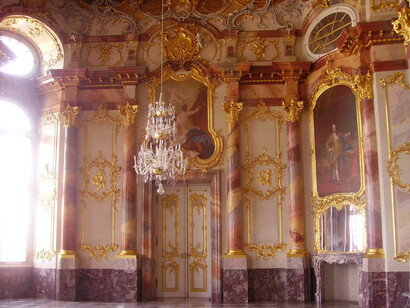
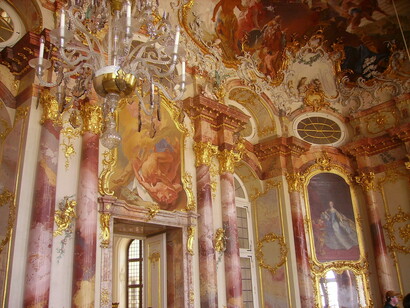
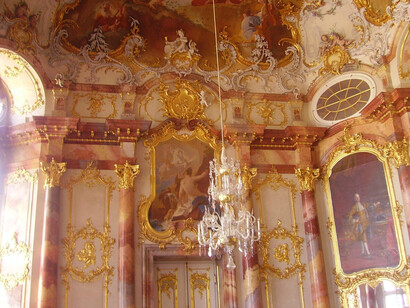
One can see why. It’s serious swag. Damask wall coverings, velvet bedspreads, intricate murals painted on domed ceilings, chandeliers dripping with crystals, a wine arbor in the middle of the castle, priceless tapestries woven in France, a Chinese-inspired music room, and a staircase regarded as one of the finest examples of its kind in any Baroque palace, along with statues both indoors and out.
Louis XIV, the French ruler known as the Sun King, who had built the palace of Versailles, was gone, but the need to keep up such sumptuous living standards and rigid court protocol survived. Every detail and ritual in court life had to be just so. A description of what was required when it came to dining is on the castle’s website.
“The food is set on the royal table either in gilt or silver-gilt, or even in golden dishes. According to the newest fashion, silver dish covers are then set atop the dishes, both to keep the food under them warm and so that they do not become contaminated by any falling powder or dust from those who set them on the table, which would make them unappetizing."
But despite all this, or maybe because of it, some found it rather dull. That includes Amalie von Baden, Princess of Fürstenberg, who, after being widowed, lived in the castle starting in 1806. It’s hard to imagine being bored, but Karoline von Freystedt, one of Amalie’s ladies-in-waiting, also found court life monotonous, only broken up by the death of some acquaintance. One hopes never to be that jaded as to actually look forward to a funeral.
Glory doesn’t last forever. And the castle began deteriorating. A visitor in 1818 wrote of its “deserted splendor,” and that was just the beginning of its downward slide. During the 1849 Baden Revolution (that year, 480,000 Germans, including a significant number from Baden-Württemberg, immigrated to America), the castle was used as a barracks and then later a hospital.
Now meticulously restored, Bruchsal Palace is again a masterpiece—detailed stucco, soaring columns, lots of gold and marble, two banquet halls, numerous colorful frescos, domed ceilings, and a formal garden. Of course, you need furniture to match such grandeur, and included are works by Abraham Roentgen, a German cabinet maker known for his pioneering advancements in splendid marquetry and superb workmanship. His furniture in the palace is probably the most expensive.
No wonder the Mozarts were impressed.