English
 Español
 Français
 Deutsch
 Italiano
 Português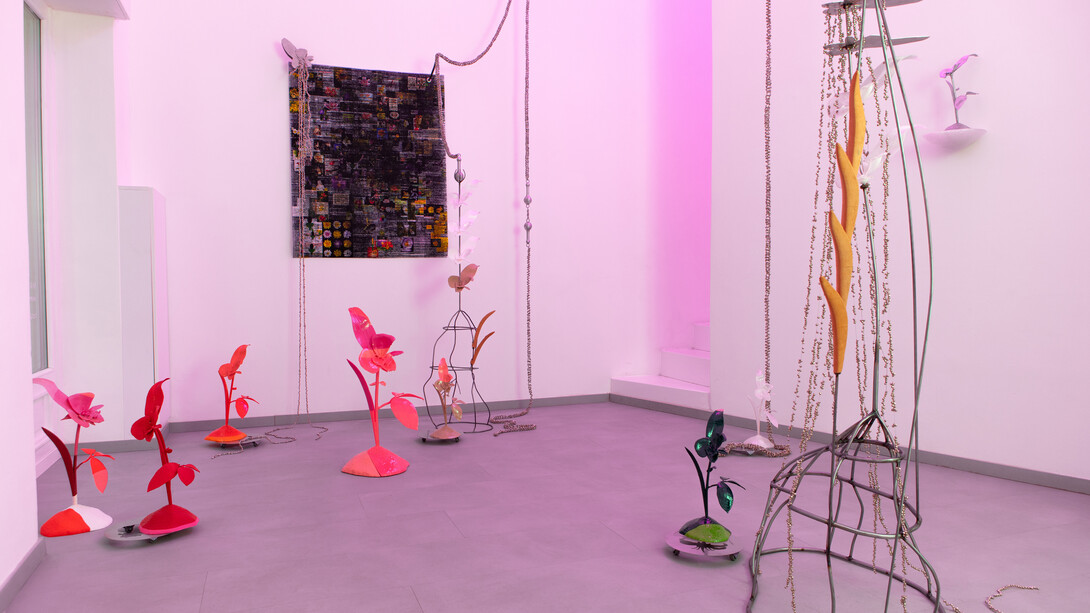
Celebrating its second anniversary, am projects opens its new season with inner stem, a solo exhibition by Zsuzsi Magyari, continuing the programme’s focus on young Hungarian women artists.
Zsuzsi Magyari’s practice can be understood as a space for communication and reflection. Her works operate as environments that do not make direct statements, but instead convey experience through perception, association and inner resonance. Recurring motifs in her practice include gardens, flowers and intimate or semi enclosed spaces, which function as visual counterparts to psychological states and emotional structures.
The garden appears as a psychic model, a closed space where care, protection, memory and repression coexist. Its cultivation, structure and temporality mirror processes of identity formation, control and vulnerability. Within this system flowers are not decorative elements but autonomous forms of communication. Through their fragility, transience and layered meanings they carry emotions that often resist verbal expression.
Indirect meaning and hidden communication play an important role in Magyari’s work. Drawing on floriography, the symbolic language of flowers, and steganography, the practice of encoding concealed messages, visual form does not deliver a single clear message but creates emotional readings through subtle shifts, repetitions and absences. The works invite not deciphering but sensory attention and associative response.
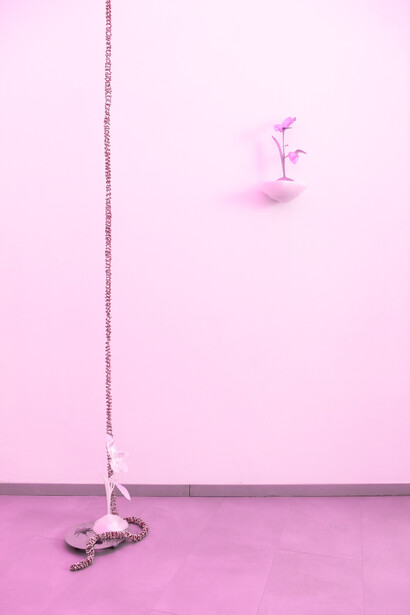
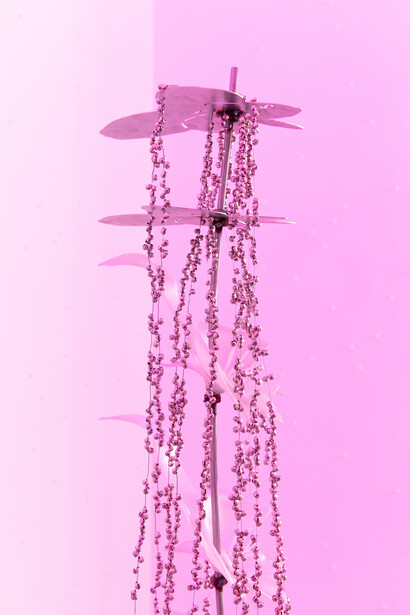
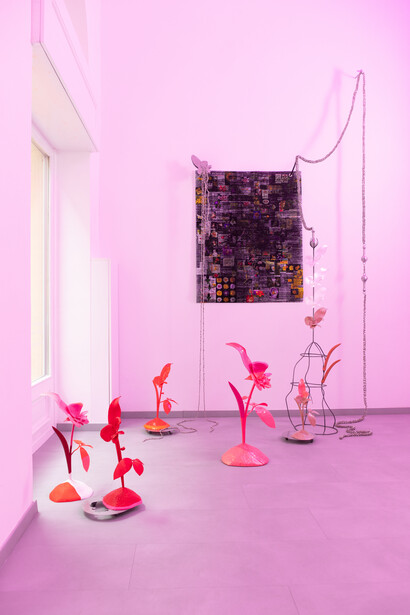
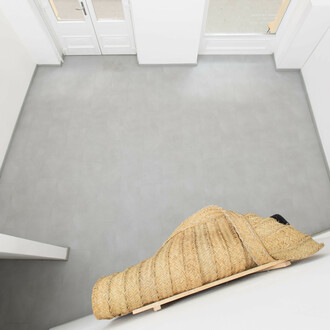
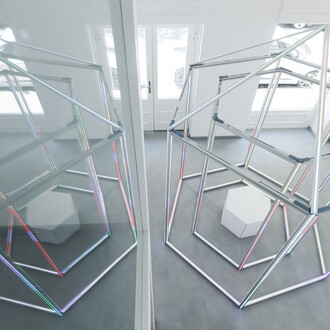
The exhibition unfolds as an immersive installation. Alongside the artist’s 3D printed colourful flowers, the exhibition also presents metal flowers, metal structures and ceramic leaves, opening new directions in her material practice. The combination of light fragile surfaces and heavy supporting metal frameworks evokes gestures of care, fixing and holding. Small bells attached to metal elements add a gentle acoustic layer to the space, where visual and sonic experience shape perception together.
Materiality plays a central role throughout. Fragility, the passage of time and transformation reflect the changing nature of psychological processes, the continual rearrangement of memories, emotions and inner narratives. The exhibition offers a space where inner experience can take form without becoming fixed into a single story.