English
 Español
 Français
 Deutsch
 Italiano
 Português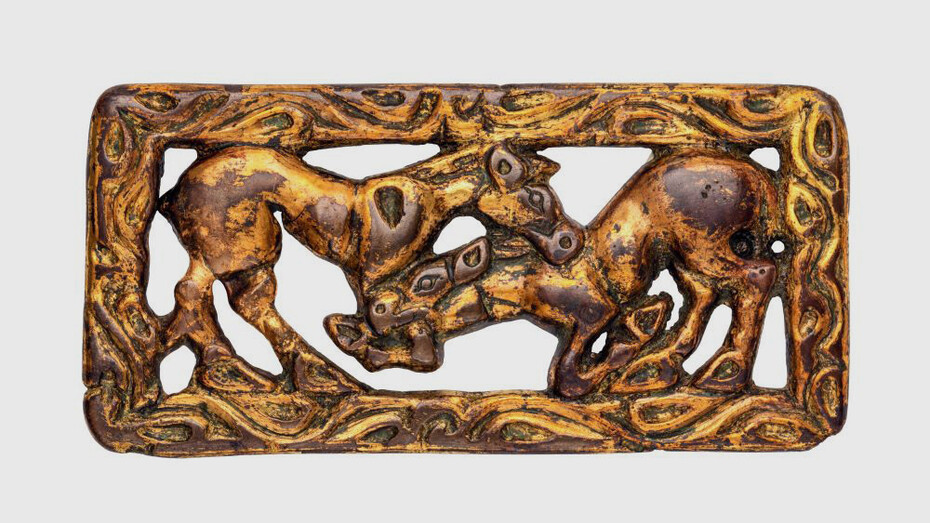
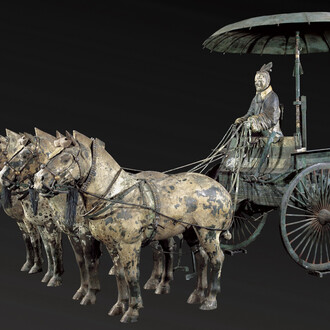
In the first millennium BC, numerous nomadic peoples lived along China’s northern border. The Great Wall defense system, which was built as a series of parallel defensive structures in many places, was constructed to prevent their incursions. In the second half of the 3rd century BC, Qin Shi Huangdi, the first Chinese emperor, had the previous wall sections reinforced and ordered the construction of further walls connecting them.
In the first half of the twentieth century, serious efforts began in Hungary to collect objects related to the Asiatic Huns, who were among the peoples that once lived along the northern border of China. The interest was largely prompted by excavations carried out by Hungarian-born Sir Aurel Stein at the start of the century and the publication of his archaeological finds, which provided scientific substantiation that the Xiongnu, a tribe known from Chinese sources, were related to the Asiatic Huns.
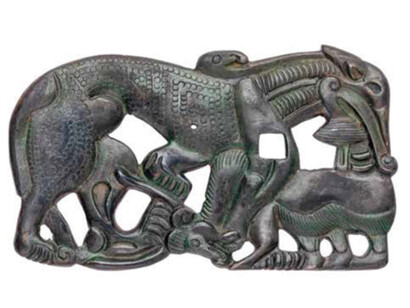
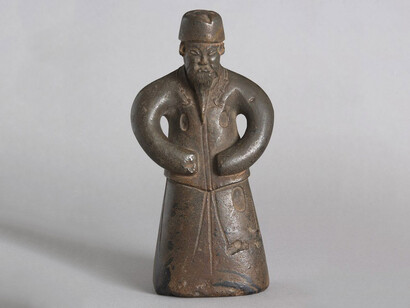
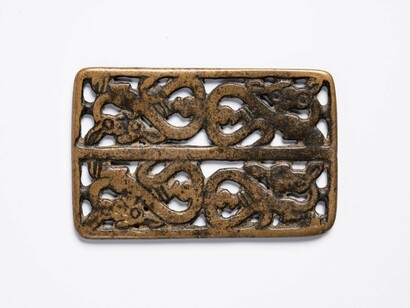
The exhibition presents the art of the nomad-inhabited regions along the northern border of ancient China.This art, which bears numerous Chinese influences, is defined by the so-called Ordos bronzes, which are shown here in a broader historical and artistic context. Following the line of the Great Wall, visitors can see almost 300 exhibits from this diverse material: the clothing attachments and belt decorations of the Asiatic Huns, their weapons and utility items, and their varied harness fittings. With their characteristic forms and ornaments, the objects clearly illustrate the words of the Hopp Museum’s first director, Zoltán Felvinczi Takács: “However far we [Hungarians] have fallen from our ancient culture, however deeply we have melded into Europe, our roots still reach into Asia.”