English
 Español
 Français
 Deutsch
 Italiano
 Português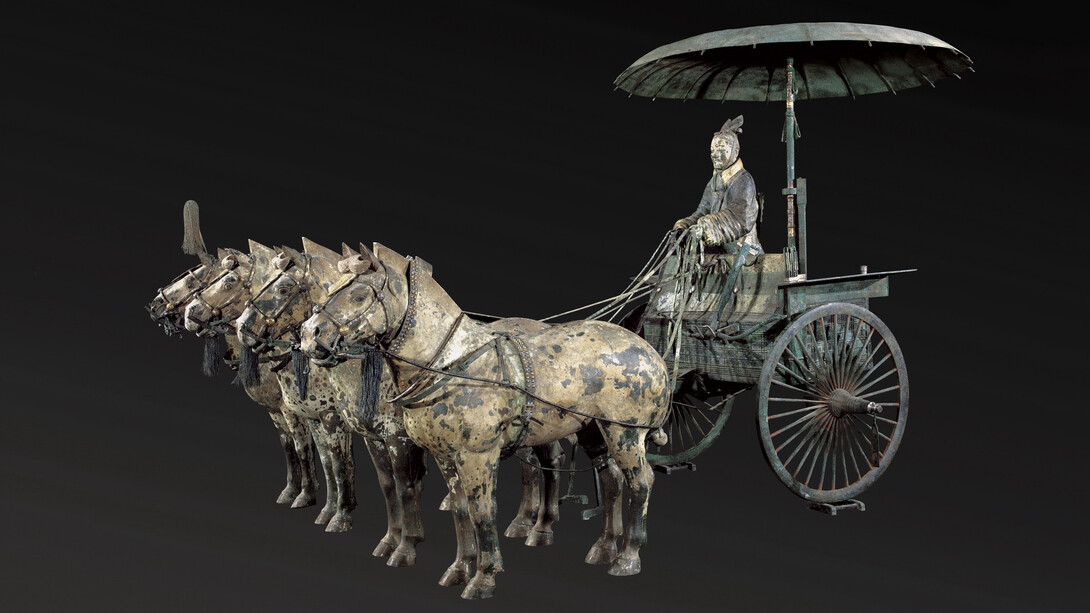
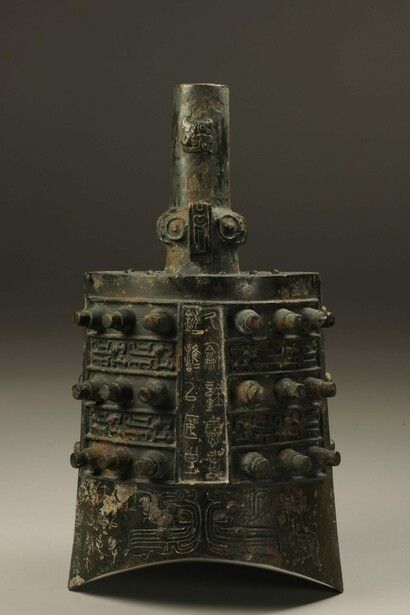
One of the world’s most spectacular archaeological exhibitions traces the centuries-long rise of the Qin Empire between the 8th BC and 3rd centuries AC, and includes important ceremonial objects and symbols of the period.
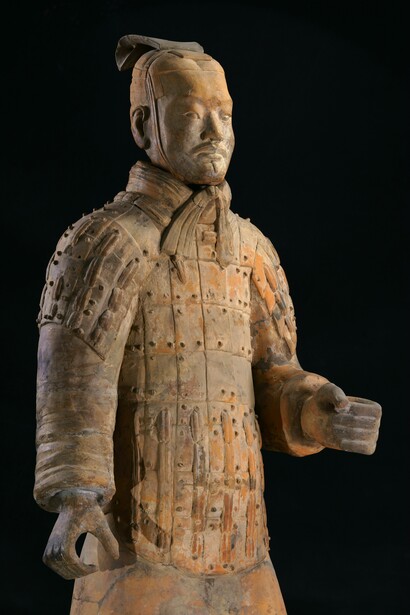
The exhibition presents the age of the first Chinese emperor, the characteristics of daily life, the structure of his army, his weapons and his individually modelled soldiers. Qin Shi Huangdi’s determination to seek the secret of eternity has led to the inclusion in his tomb of his particularly beautiful objects, the chariots that carry him to the afterlife. With the death of the first Chinese emperor, the history of his dynasty and his reign laid the foundations of the Chinese empire.
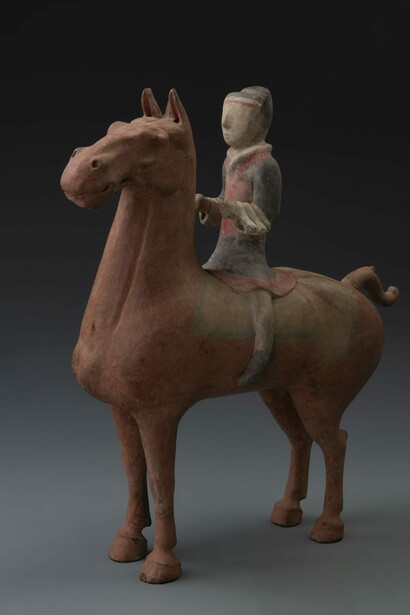
One of the most remarkable archaeological finds of the Western Han period, the Yangling Mausoleum (mid 2nd century BC), which is part of the exhibition’s final section, illustrates the development of the Han dynasty and the consolidation of imperial power. The artefacts from the tomb of the sixth Han emperor, Emperor Jing, not only tell the story of the Western conquests and the operation of the Silk Road, but also provide an insight into the daily workings of the empire; money, measurements and the economy.
The exhibition presents more than 150 ancient artworks, including ten original pieces from the First Emperor’s terracotta army. All of the objects come from museums in Shaanxi, the province that includes the former imperial capital of China. Most of them are from the Emperor Qinshihuang’s Mausoleum Site Museum, the Han Yangling Museum, and the Shaanxi Academy of Archaeology.
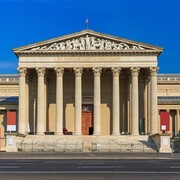
The exhibition was organized by the Museum of Fine Arts, Budapest, in partnership with Shaanxi Cultural Heritage Promotion Centre and the Emperor Qinshihuang’s Mausoleum Site Museum.