English
 Español
 Français
 Deutsch
 Italiano
 Português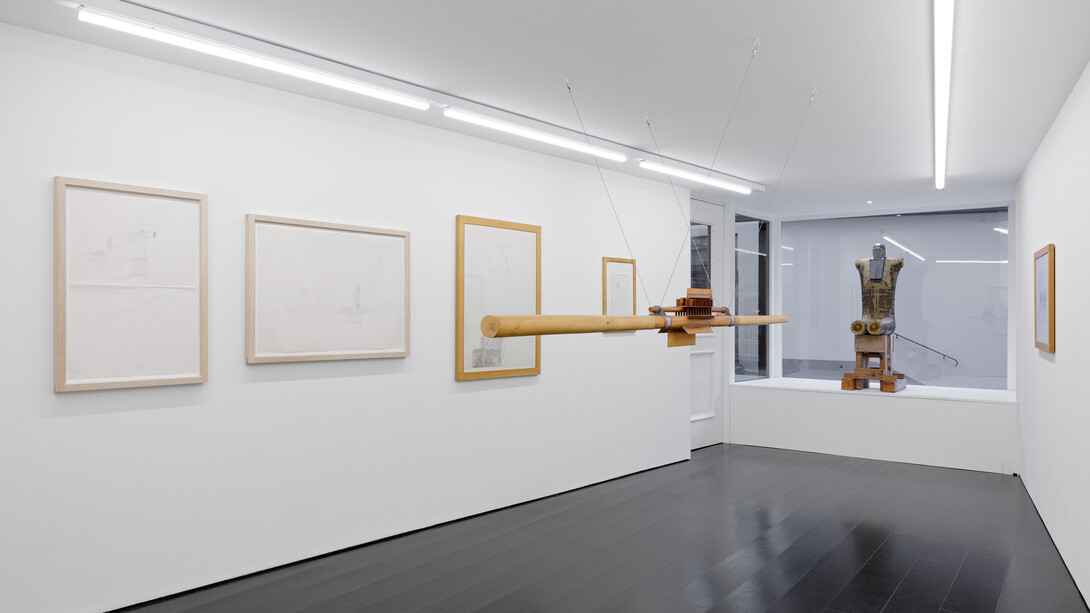
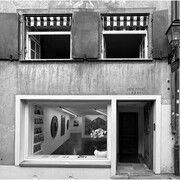
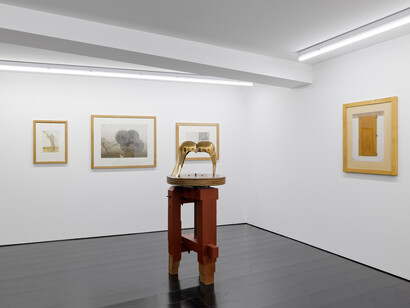
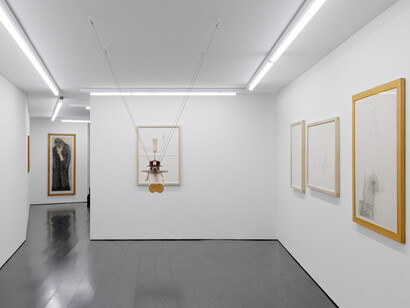
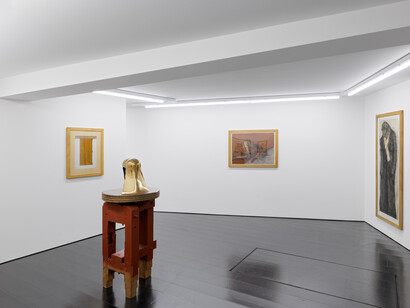
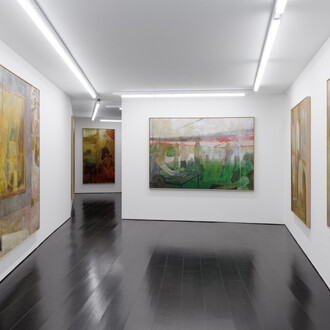
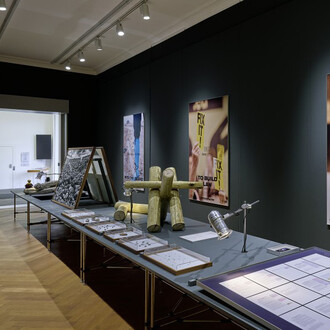
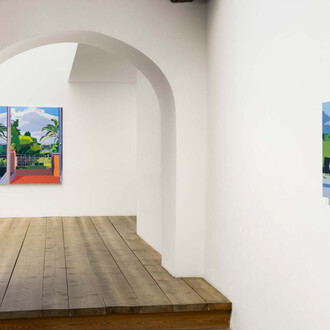
Contemporary Fine Arts Basel is pleased to present Die bleche und ich gehen heim (The metal sheets and I are going home), an exhibition of drawings and sculptures by Walter Pichler (1936–2012), curated by Cyprien Gaillard. It will mark the third solo exhibition the gallery dedicates to Pichler’s work.
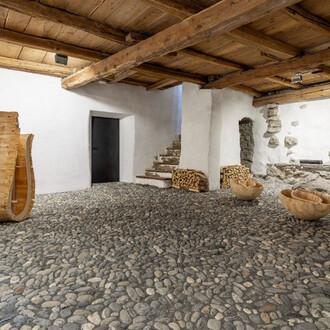
After gaining recognition in the 1960s for futuristic, dystopian works made from then-novel materials such as PVC, fiberglass, and other synthetic industrial elements, Pichler under went a radical shift in both life and practice when he moved in 1972 to a historic farmstead in St. Martin, Burgenland. Clay, plaster, wood, straw, and metal – in short, materials drawn largely from his natural surroundings – became central to his work, alongside what he described as the “material of time.”
These sculptures, created over years and sometimes decades of disciplined, highly precise labor, were no longer offered for sale. This decision, too, coincided with – and was inseparable from – his move to St. Martin. Instead, Pichler envisioned constructing a dedicated structure on the farm grounds to house each individual sculpture.
Between 1972 and Pichler’s death in 2012, seven such housing structures were built in and around the farm complex. Together, they form a unique ensemble that Rudi Fuchs, on the occasion of Pichler’s 1997 exhibition at the Stedelijk Museum Amsterdam, described as “Pichler’s modest Acropolis.”
Alongside the sculptures, Pichler also produced an extensive and equally significant body of drawings.
We are proud and grateful to have secured Cyprien Gaillard – one of the most influential and compelling artists of his generation – as the curator of this exhibition. Gaillard has admired Pichler’s work for many years. Thanks to his thoughtful selection of drawings, the exhibition includes several works on paper that have never been shown before, some presented in frames designed by Gaillard himself.
Our thanks goes to Anna Tripamer, Walter Pichler’s daughter and the manager of his estate, whose continued support made this presentation possible. She granted Gaillard full freedom in selecting the works included in the exhibition – among them the iconic sculptures Small torso, Red rod and Double scull for which Pichler did not have the time to complete their intended architectural enclosures.
Pichler would have appreciated the idea that, through Gaillard’s curatorial vision, an artist who he would have surely appreciated, has created a temporary home for these works.