English
 Español
 Français
 Deutsch
 Italiano
 Português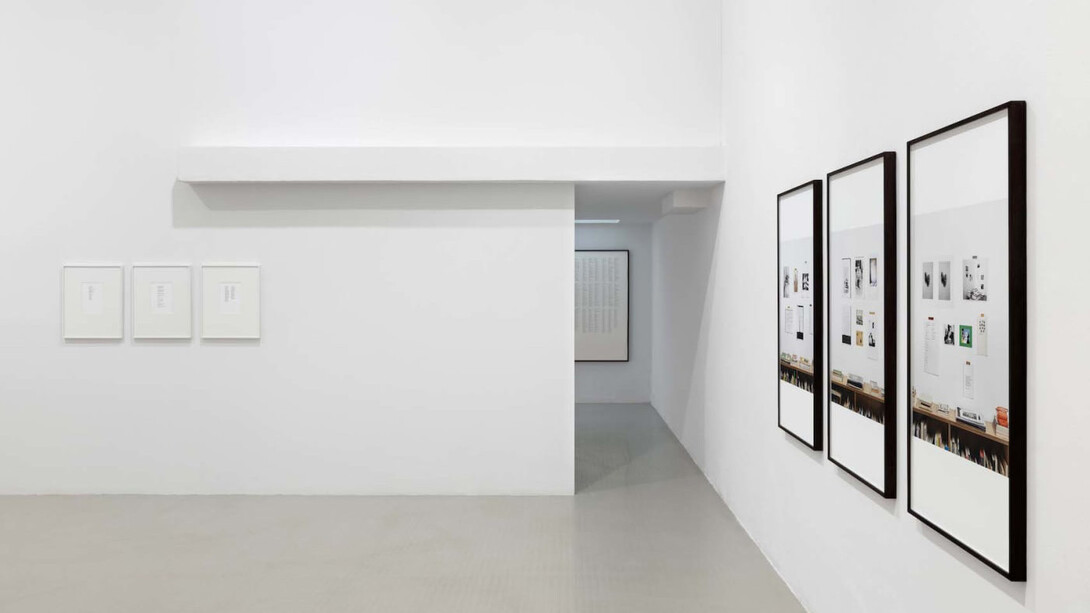
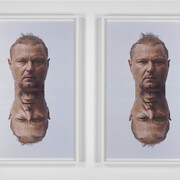
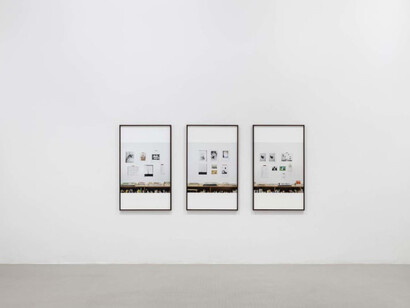
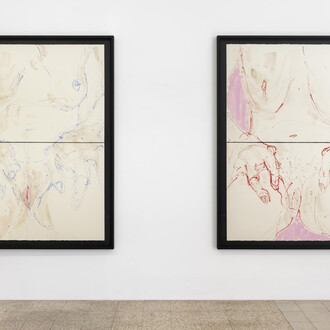
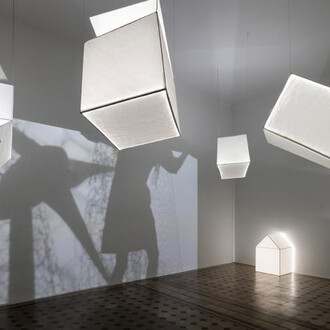
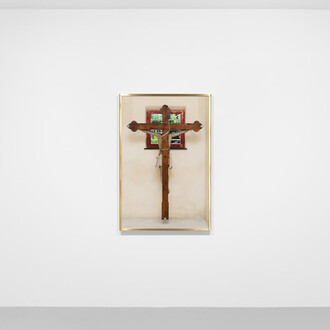
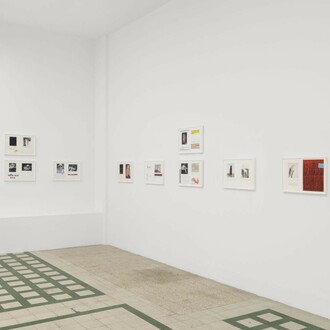
Friends and family brings together a body of work by Alejandro Cesarco that examines portraiture as a structure of affinity, influence, and chosen genealogy. Rather than focusing on resemblance or representation, the exhibition approaches the portrait as a relational device — a way of mapping how identities are shaped through proximity, admiration, and shared histories. Cesarco treats portraiture as an open framework, one that allows for emotional, intellectual, and temporal connections to surface.
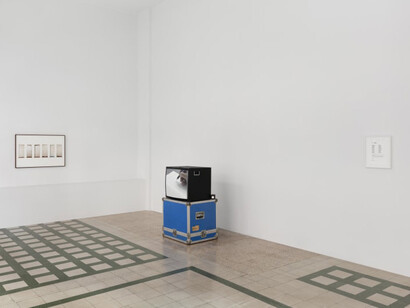
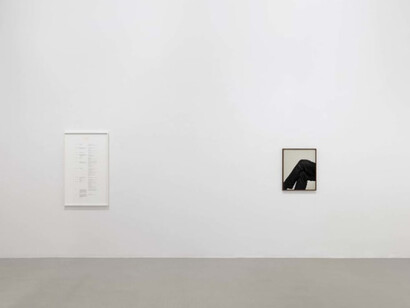
Through photographs, text works, and video, Cesarco traces the ways in which we assemble ourselves through others: teachers, peers, relatives, mentors, and even fictional characters. These figures form a network of relations that both precedes and exceeds the individual, revealing how subjectivity is built through acts of transmission, imitation, and acknowledgment. The works often operate through subtle gestures, fragments of language, and repetitions, inviting viewers to read them as quiet conversations rather than fixed statements.
The exhibition stages portraits that are less about likeness than about echoes and reverberations: intimate dedications, re-performed gestures, borrowed sentences, and recurring motifs. In this space, influence becomes a form of kinship, and memory acts as a connective tissue between people and ideas. Friends and family ultimately suggests that identity is never singular or complete, but a composite, ongoing construction — shaped by those we come from, those we choose, and those who linger in our imagination.