English
 Español
 Français
 Deutsch
 Italiano
 Português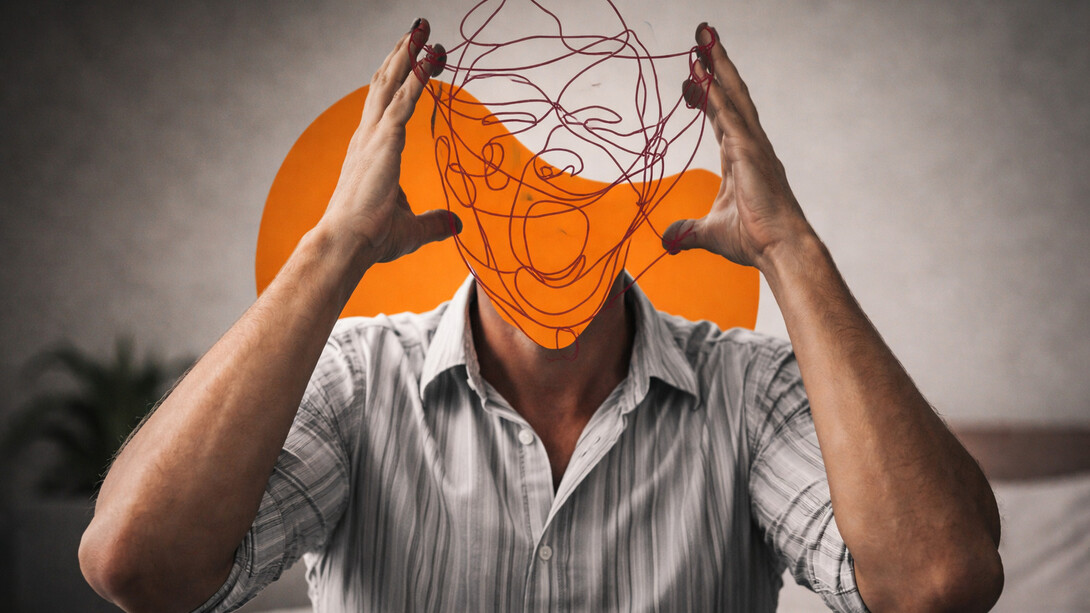
We live in a time where being “better” often just means having a higher number next to our name, be it more steps, longer streaks, higher scores, more followers, more views, better sleep metrics, or fuller progress bars. Self-learning, tracking, and productivity apps promise clarity and self-improvement, which for most people they genuinely help at first. Because now their efforts and progress are visible, as they have numbers, shapes, and colors to them now, and that feels reassuring. But with time, something changes.
Don Norman once said that a “good design” is not just about how things work but about how they make us feel. In his book on emotional design, he explains that our experience with any product happens on three levels: visceral, behavioral, and reflective. These levels are always active, whether we notice them or not. And when we look at modern productivity and self-learning apps through this lens, it becomes clear how guilt and pressure quietly form over time.
The visceral level is the first reaction. It is fast, emotional, and automatic. This is where design looks and feels a certain way. Many new-generation apps are beautiful. They have soft colors, clean layouts, friendly animations, and reassuring sounds. At this level, nothing feels demanding. The app seems kind, helpful, and even motivating, and users believe this would help them become “better.”
The behavioral level, which is about “use.” This is where people interact with the system day after day. On this level, apps begin to shape behavior through repetition. They reward consistency. A task checked off feels good. A streak maintained feels satisfying. A goal met feels like success. The problem here is not that these features exist. The problem is that they assume a version of the user who is always stable, motivated, and available. Real life does not work that way. People get tired, sick, lose interest, travel, or need a pause. Every user has their own emotional highs and lows. But the app does not change its expectations. The numbers stay. The reminders still arrive. The progress bar still shows what is missing. This is where discomfort begins.
Then comes the reflective level, where this experience turns inward. This level is not about what the app looks like or how it works, but about what it makes users feel on a deeper level and think about themselves. At this point, the numbers stop feeling like neutral information and start carrying meaning. A productive day feels like a good day. An incomplete list feels like wasted time. A broken streak feels like personal failure. Users don’t just reflect on their actions anymore; they reflect on their identity. The app does not say “you are failing,” but over time, users begin to say it to themselves. This is where guilt quietly seeps in, not as a loud emotion, but as a constant background feeling of not doing enough.
Once this reflective layer is formed, the relationship with the app begins to change. People no longer use it only to plan, track, or learn. They start using it to validate themselves. Opening the app becomes a way to check whether the day counts as successful. Closing it without completing tasks can leave a lingering sense of discomfort. The system slowly becomes a reference point for how we judge ourselves rather than just a tool for support.
At this stage, it is important to look at how people actually live with these apps over time. Research shows that most users are not consistent trackers. They don’t stick to one app or one system forever. They move between tools, track in phases, stop and restart, or track only what they personally consider “worth tracking.” Some people track intensely for a few weeks and then stop. Others only track during specific periods of motivation or change. Tracking fits into life when it can and disappears when it cannot.
However, many apps are not designed for this kind of flexible use. They are built around the idea of daily engagement and steady progress. When real usage does not match this expectation, users feel out of sync with the system. Even though this mismatch is normal, it often feels personal. The app continues to show what is unfinished, what is missing, and what could have been better.
Another important insight is how people actually use the data they collect. Most users do not spend time analyzing long-term trends or reflecting deeply on past data. Instead, they use numbers in the moment. A step count influences whether they go for a walk that evening. A task list shapes how they feel about the day before going to bed. The data is not just reflective; it actively shapes daily decisions and emotions.
Over time, this constant feedback can become mentally heavy. Some users start avoiding the app because they already expect it to make them feel bad. Others continue opening it even when it creates stress, because they feel responsible for keeping up. The tool that once offered clarity now adds pressure.
Eventually, many people stop using these apps. The phone removes them, but their icons remain, waiting for that one tap to get them back. This happens for many reasons. Some feel exhausted by constant tracking. Some feel discouraged by the data. Some experience life changes that make tracking unrealistic. Others feel they have learned enough and no longer need the tool. In many cases, stopping is not failure; it is a reasonable response.
One clear idea that emerges through research is that tracking does not need to be permanent to be meaningful. Many people use tracking tools temporarily: to understand a habit, to get through a phase, or to learn something specific about themselves. Once that learning happens, continuing to track often adds little value. Yet most apps are designed for long-term, uninterrupted use. A more thoughtful approach would treat tracking as something people can outgrow. Stopping would not be framed as failure but as completion.
Another important insight is that people rarely engage deeply with long-term data. Instead of designing for endless charts and history, tools could focus on short-term, contextual support. This means helping users in the moment, without constantly reminding them of past gaps or missed days.
Research also highlights the importance of flexibility. People do not track consistently, and they shouldn’t be expected to. Systems could acknowledge breaks, pauses, and life changes instead of ignoring them. Rather than resetting progress or breaking streaks, apps could allow users to step away and return without emotional penalty. This small shift can significantly reduce the sense of obligation that builds over time.
For younger users and for apps related to food, health, and the body, the need for care is even greater. Studies show that tracking in these areas can easily cross from support into control. Designers are encouraged to move away from rigid targets and instead give users more control, allowing them to decide what feels right for their body and their context. Numbers should inform choices, not dictate them.
If emotional design is truly about supporting people, then it must respect the fact that improvement does not always look like a higher number. Sometimes, it looks like knowing when to pause. And sometimes, it looks like knowing when to let go.
Because a good design should help people live “better,” not make them disappear behind metrics.
Sources
Norman, D. A. (2004). Emotional design: Why we love (or hate) everyday things. Basic Books. Rooksby, J., Rost, M., Morrison, A., & Chalmers, M. (2014). Personal tracking as lived informatics. Proceedings of the SIGCHI Conference on Human Factors in Computing Systems, 1163–1172.
Epstein, D. A., Ping, A., Fogarty, J., Munson, S. A., & Kientz, J. A. (2016). Beyond abandonment to next steps: Understanding and designing for life after personal informatics tool use. Proceedings of the SIGCHI Conference on Human Factors in Computing Systems, 1109–1113.
Freeman, J. L. (2025). “The tracking was in control of me”: Exploring affordances of self-tracking tools for adolescents’ psychological well-being. Proceedings of the ACM on Human-Computer Interaction, 9(CSCW), Article 215.