English
 Español
 Français
 Deutsch
 Italiano
 Português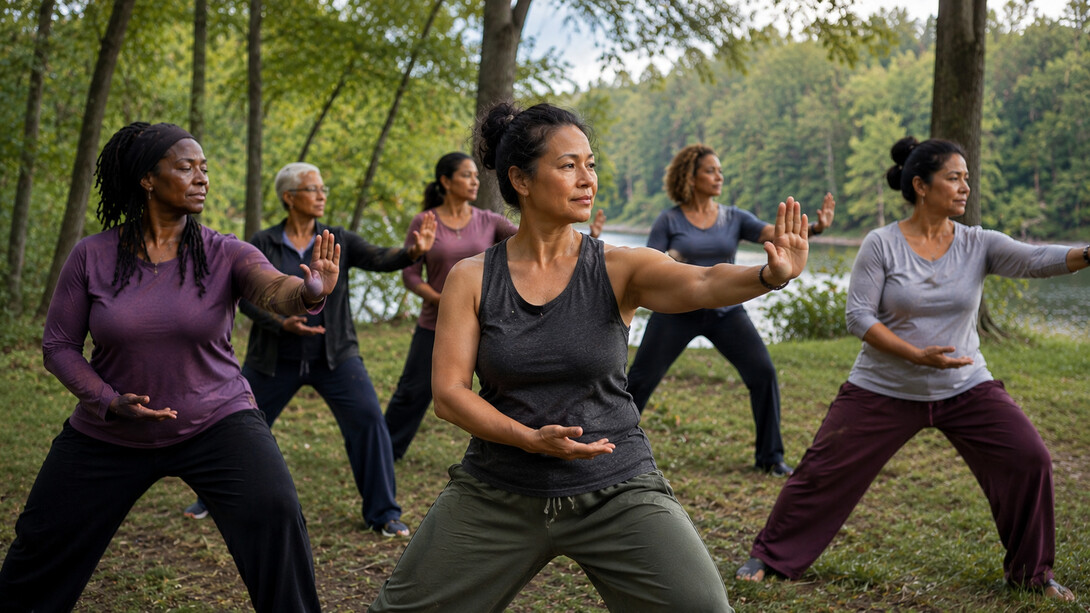
Menopause is often framed as something women simply need to "get through." Yet a growing body of evidence, and the lived experience of many women, suggests a much more empowering perspective. Menopause can be viewed as a period of transition and recalibration, where strength, mobility, balance, and self-awareness become increasingly important to long-term health and well-being.
As hormone levels change during perimenopause and menopause, women commonly experience shifts in muscle mass, joint mobility, bone density, sleep quality, mood, energy levels, and body composition. While these changes are natural, their impact varies considerably from person to person. What remains consistent, however, is the significant role that physical activity plays in supporting overall health during this stage of life.
Research continues to demonstrate that regular exercise is one of the most effective non-pharmacological strategies for managing many menopause-related symptoms. Strength training helps preserve muscle mass and bone density, mobility training supports joint health and movement quality, and balance-focused activities can reduce fall risk while improving confidence. Together, these components contribute to greater independence, resilience, and quality of life as women age.
One area receiving increased attention is the relationship between muscle function and mobility. While much of the conversation around aging focuses on maintaining muscle mass, it is equally important to consider how effectively muscles function throughout their full range of motion. Healthy movement depends not only on strength but also on the ability to move comfortably, efficiently, and with control.
During menopause, declining estrogen levels can contribute to a gradual loss of muscle mass and function, a process known as sarcopenia. At the same time, many women develop increased stiffness, reduced flexibility, or changes in posture and movement patterns. Maintaining both strength and mobility can help counteract these changes, supporting better movement quality and reducing the risk of pain or injury.
Mobility is often misunderstood as simply stretching. In reality, mobility involves the ability to actively control movement through a joint's available range of motion. Activities such as squatting, reaching, rotating, balancing, and transitioning between positions all rely on a combination of strength, coordination, and mobility working together.
Improved mobility offers benefits that extend well beyond exercise. It supports everyday tasks such as carrying groceries, climbing stairs, gardening, traveling, and participating in recreational activities. Maintaining mobility can also help reduce compensatory movement patterns that place additional stress on joints and tissues over time.
Another important consideration during menopause is neuromuscular function, the communication between the brain and body that governs movement, coordination, and balance. Hormonal changes can sometimes contribute to feelings of instability, reduced coordination, or the commonly reported experience of "brain fog."
Movement practices that challenge balance, coordination, and movement awareness can help strengthen these neurological connections. Activities involving controlled transitions, single-leg balance, rhythmic movement patterns, and multi-directional movement not only improve physical function but also engage cognitive processes that support overall brain health.
Balance and stability become increasingly important as women age. As bone density changes and fall risk increases, maintaining lower-body strength, postural control, and body awareness can play a significant role in preserving confidence and independence. Regular participation in activities that challenge balance and coordination can help women feel more capable and secure in their daily lives.
Equally important is the impact movement can have on mental and emotional well-being. Menopause is not only a physical transition but also a psychological one. Exercise has been shown to help reduce stress, improve mood, support sleep quality, and enhance overall quality of life. Many women find that movement becomes less about appearance or performance and more about feeling capable, energized, and connected to their bodies.
Programs such as the YMCA BC Moving Through Menopause initiative recognize this broader approach to well-being. Designed specifically for women in perimenopause and menopause, the program combines strength training, core and pelvic floor development, balance work, education, and community support. Participants benefit not only from the physical activity itself but also from sharing experiences and learning alongside others navigating similar life transitions.
A variety of movement approaches can support these goals. Some programs emphasize strength and resistance training, while others incorporate mobility, balance, functional movement, mindfulness, or rhythmic movement patterns. For example, movement philosophies such as MSINGI® highlight the importance of mobility, coordination, grounding, and intentional movement as part of a holistic approach to lifelong physical function. While the specific methods may differ, the common thread is helping people move well, move often, and maintain confidence in their bodies.
For too long, menopause has been associated primarily with decline. A more constructive perspective is to view it as an opportunity to invest in health, rebuild physical capacity, and establish habits that support long-term well-being. By prioritizing strength, mobility, balance, and regular physical activity, women can maintain function, support bone and metabolic health, reduce symptom severity, and continue doing the activities they enjoy.
Menopause is inevitable, but how it is experienced is not fixed. With consistency, support, and a commitment to healthy movement, this stage of life can become an opportunity to move better, feel stronger, and live more fully than ever before.
Follow the top 5 tips below to help launch and support your healthiest menopause, not only for a longer lifespan but also for a longer healthspan!
Top 5 tips on muscle & mobility during menopause
1. Prioritize strength training
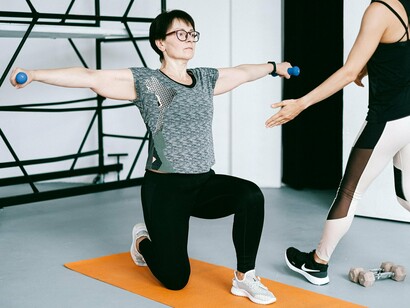
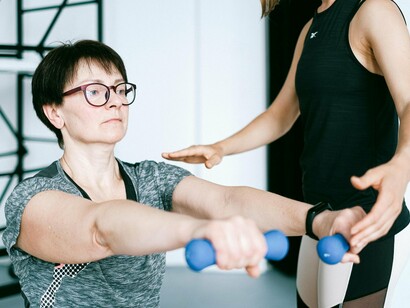
After age 40, women can begin to lose muscle mass more rapidly, particularly during and after menopause. Strength training helps preserve muscle, support bone density, improve metabolism, and maintain independence. Aim for:
2–3 strength-training sessions per week
Exercises that target major muscle groups
Progressive challenges over time.
2. Move through your full range of motion
Strong muscles work best when they can move through their full length and range. Incorporating mobility exercises helps reduce stiffness, improve posture, and support healthy joints. Include the following functional movements in most workouts:
Squats
Lunges
Reaching and rotational movements
Dynamic stretching
Yoga or mobility-focused classes.
3. Challenge your balance regularly
Changes in hormones can affect balance, coordination, and body awareness. Practicing balance helps reduce fall risk while improving confidence and stability. Simple options include:
Standing on one leg while brushing your teeth
Heel-to-toe walking
Balance-focused fitness classes
Tai Chi or functional movement training.
4. Stay consistent rather than intense
The best exercise program is the one that you can sustain. Menopause is often accompanied by busy schedules, changing energy levels, and increased life demands. Aim for progress, not perfection:
Focus on regular movement
Build activity into your daily routine
Mix strength, mobility, walking, and recovery
Celebrate consistency over intensity.
5. Connect movement to well-being
Exercise during menopause isn't only about physical health. Regular movement can improve sleep, reduce stress, boost mood, support cognitive function, and increase overall quality of life. Choose activities you enjoy:
Walking with friends
Group fitness classes
Strength training
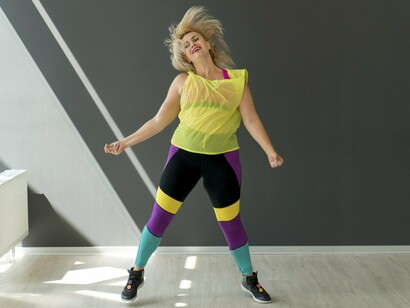
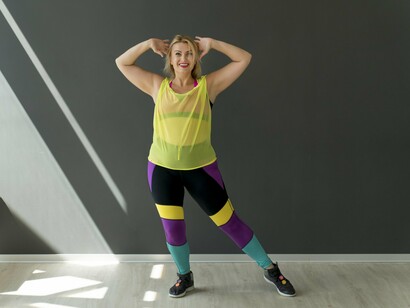
Dancing
Swimming
Outdoor recreation.
The bottom line
Menopause is a transition, not a decline. By focusing on strength, mobility, balance, consistency, and overall well-being, you can support your body through this stage and continue to move, feel, and live well for years to come.