English
 Español
 Français
 Deutsch
 Italiano
 Português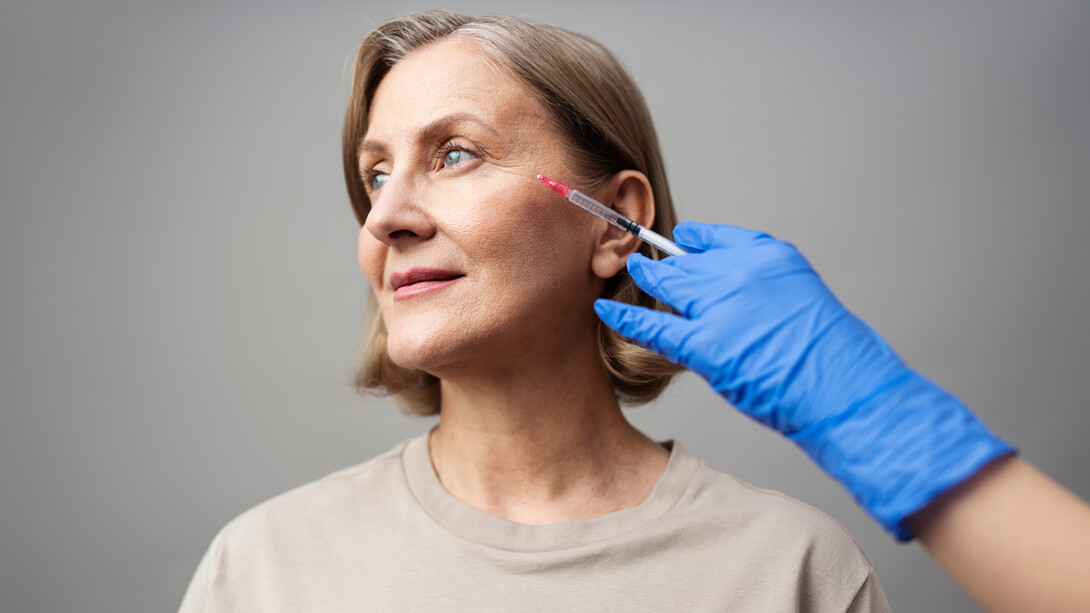
From glowing skin to improved recovery and metabolic health, peptides are quickly becoming some of the most talked-about molecules in modern biomedical science.
Often described as the body’s biological messengers, peptides are short chains of amino acids that regulate essential physiological processes, including hormonal signaling, immune responses, tissue repair, and neural activity.
This article explores the mechanism of action of peptides and examines how naturally occurring peptides affect different organ systems in the human body.
In addition, the paper highlights the development of synthetic peptide analogs designed to mimic or enhance the natural hormone activity while resisting rapid enzymatic degradation.
Emerging evidence suggests that peptide-based therapies may contribute to improved skin quality, enhanced body composition, faster healing and overall vitality.
In a world increasingly searching for science-backed ways to stay healthier and age better, peptides stand at the intersection of innovation, biology, and possibility-small molecules with potentially big impact on human health.
What are peptides?
Peptides are short chains of amino acids and you can think of them as mini proteins, they serve as messengers in the body, And the basic way to define a peptide is that it tends to be small proteins that are made of 20 to 50 amino acids however some peptides that are a little bit bigger have up to 100 amino acids the most important thing to understand about peptides is that they could be hormones or peptide proteins or neuromodulators that regulate the neural activity.
Most peptides have a pleiotropic effect, meaning a single peptide can trigger multiple cells and systems in the body. For instance, it modulates gene expression and influences the neural, hormonal, and local paracrine networks (Andrew Huberman, 2024).
Now, to get a deep understanding of how these peptides are the new Botox, let’s first understand their mechanism of action.
Mechanism of action of peptides
To see peptides' effects, they go through diverse mechanisms of action, and it is categorized into the following classes:
Receptor-mediated mechanisms
Peptide hormones can act as highly specific signaling molecules. Due to their size and hydrophilic nature, they do not directly cross the cell membrane. Instead, they bind to specific protein receptors on the surface of the cell, which leads to the initiation of an intracellular cascade of events that could be summarized into three main steps (Forbes and Krishnamurthy, 2023).
Binding: the peptides act as a first messenger, It attaches to specific receptors on the outer surface, which triggers a change in the receptor’s structure.
Signal transduction: the binding event causes structural changes in the receptor, which activate associated intracellular molecules like G-proteins. These can trigger the production of second messengers like cyclic AMP or calcium ions.
Cellular response: the second messengers strengthen and pass on signals which lead the cell to respond in different ways, for example: changing gene activity, contracting muscles, or turning enzymes off and on (Rehman and Dimri, 2023).
Direct action mechanism (antimicrobial peptides)
Antimicrobial peptides are part of the body’s defense system. They attack and damage the vital part of microbes, plus they can tell whether the cells are human or bacterial due to the difference in lipid composition between the negatively charged bacterial membrane and the neutral host membrane (Kumar, Kizhakkedathu and Straus, 2018).
Intracellular mechanisms
Some peptides can penetrate the cell’s membrane and enter the cytoplasm without causing major membrane disruption. They target the cells at an intracellular level, which, once inside, inhibits essential processes such as DNA/RNA synthesis, protein synthesis or enzyme activity, leading to cell death (Luo and Song, 2021).
After going briefly through the MOA of peptides lets understand how natural peptides act on different organs in the human body, and then we will take a look at the common peptides used in antiaging therapy.
How peptides affect different systems in the body
Peptides play a crucial role in the regulation of numerous physiological processes by interacting with specific receptors in target organs.
Oxytocin: stimulates uterine contractions during labor and promotes milk ejection during breastfeeding. Its action occurs through the binding to specific G-protein-coupled receptors(OXTR) located on the myoepithelial cells of the mammary glands and myometrial cells of the uterus.
Glucagon: is responsible for increasing blood glucose levels by binding to G-protein-coupled receptors in hepatocytes of the liver, which activates adenylate cyclase and elevates intracellular cyclic AMP (cAMP), thereby stimulating glycogen breakdown and glucose release into the bloodstream.
Insulin: lowers blood glucose levels and regulates carbohydrates, fat, and protein metabolism by binding to tyrosine kinase receptors on cell membranes, particularly in the liver, adipose tissue, and skeletal muscles, which promotes cellular glucose uptake and storage.
Glucagon-like peptide-1(GLP-1): this peptide hormone plays a significant role in metabolic regulation. It slows gastric emptying, promotes satiety through hypothalamic signaling, and helps regulate blood glucose levels. GLP-1 acts on several organs, including the pancreas, the stomach, the intestines, and the brain.
Angiotensin II: is a key peptide in the regulation of blood pressure and fluid balance. It binds receptors on vascular smooth muscle cells, causing vasoconstriction and narrowing of blood vessels, and also acts on the kidneys and adrenal glands to influence sodium retention and hormonal secretion.
Endorphins: function mainly in the central nervous system, particularly in the brain and spinal cord, where they reduce stress, modulate pain perception, and improve mood.
Gastrin: It is a peptide hormone produced in the stomach. It stimulates gastric motility and increases hydrochloric acid secretion by acting on parietal cells and enterochromaffin cells in the gastric mucosa, thereby facilitating the digestive process.
The previously mentioned peptides are the body’s natural hormones and they’re highly effective, but often they’re rapidly broken down by enzymes like DPP-IV, and in this case, synthetic analogs are designed with structural modifications to evade degradation, allowing them to remain active in the body for days rather than minutes.
Synthetic hormonal mimetic peptides
Several synthetic peptides mimic the natural hormones and are used for different therapeutic purposes.
Semaglutide (Ozempic): is a long-acting glucagon-like peptide-1 (GLP-1) receptor agonist that enhances glucose-dependent insulin secretion, suppresses glucagon release, delays gastric emptying and promotes satiety. Its primary targets include the pancreas, central nervous system and gastrointestinal tract and it is administered subcutaneously or orally.
Tirazepatide (Mounjaro): it’s a dual agonist of GLP-1 and glucose-dependent insulinotropic polypeptide (GIP) receptors, which improves glycemic control and promotes weight reduction by enhancing insulin secretion, reducing glucagon levels and modulating adipose tissue metabolism. It primarily targets the pancreas and adipose tissue and is administered via subcutaneous injection.
Semolin: it is an analogue of growth hormone-releasing hormone (GHRH) that stimulates the anterior pituitary gland to increase endogenous growth hormone (GH) secretion, thereby enhancing the physiological GH-IGF-1 axis. It is administered subcutaneously.
Desmopressin: a synthetic analogue of arginine vasopressin (antidiuretic hormone, ADH) selectively activates V2 receptors in the renal collecting ducts, increasing water reabsorption and reducing urine output, which makes it effective in the management of central diabetes insipidus. It may be administered orally, intranasally, intravenously or subcutaneously.
Goserelin (Zoladex): is a synthetic gonadotropin-releasing hormone (GnRH/LHRH) agonist that initially stimulates but subsequently downregulates GnRH receptors in the anterior pituitary, leading to suppression of luteinizing hormone (LH) and follicle-stimulating hormone (FSH) secretion and consequent reduction in estrogen and testosterone production. It is delivered as a subcutaneous depot implant.
Octreotide (Sandostatin): is a somatostatin analogue that inhibits the secretion of several hormones, including growth hormone, insulin, glucagon, and gastrointestinal peptides, acting primarily on the pituitary gland and the gastrointestinal tract. It is administered subcutaneously, intramuscularly or intravenously.
Teriparatide (Forteo): is a recombinant form of parathyroid hormone (PTH 1-34) that stimulates osteoblastic activity when administered intermittently, thereby increasing bone formation and bone mineral density, and is used in the treatment of osteoporosis. It is administered subcutaneously.
Liraglutide: is another GLP-1 receptor agonist that enhances glucose-dependent insulin secretion, suppresses appetite via hypothalamic pathways and improves glycemic control, targeting the pancreas and central nervous system through daily subcutaneous injections.
Semax: is a synthetic peptide derived from adrenocorticotropic hormone (ACTH) fragments, exhibiting neuroprotective, nootropic and neurotrophic effects, possibly through modulation of neurotrophin expression and neurotransmitter systems in the central nervous system. It is typically administered as a nasal spray.
Selank: a synthetic analogue of the immunomodulatory peptide tuftsin, exerts anxiolytic and immunomodulatory effects, potentially through modulation of GABAergic and cytokine pathways, affecting both the central nervous system and immune system, and is also administered intranasally. (Hutchinson, Burholt and Hamley, 2017), (Kastin, 2013), (Siddiqi and Siddiqi, 2025), (Kolomin et al., 2013), (ainee, 2025).
For the peptide therapy, specific types of peptides are administered to stimulate the natural biological processes that decrease with age. These peptides are delivered either through injections, oral supplements or topical applications, depending on the function and the bioavailability. (Jeong et al., 2019)
Below, various forms of peptide therapies are presented. These agents address aging at a cellular level by targeting skin health, hormonal balance, immune function, and tissue repair. Several peptides demonstrate therapeutic and regenerative potential through diverse biological mechanisms.
GHK-Cu (Copper tripeptide-1): exhibits potent antioxidant activity and plays a significant role in skin regeneration and wound healing. Its mechanism of action involves modulation of gene expression and stimulation of collagen and elastin synthesis.
Additionally, it recruits immune cells and demonstrates strong anti-inflammatory properties. GHK-Cu is primarily administered topically in the form of serums or creams, although injectable formulations are also used.
Acetyl Hexapeptide-8 (Argireline): is widely used for the reduction of facial expression lines due to its botulinum toxin-like effect. It functions by inhibiting the release of the neurotransmitter acetylcholine at the neuromuscular junction, resulting in temporary relaxation of facial muscles. This peptide is commonly administered topically through cosmetic formulations such as serums and creams.
Palmitoyl Pentapeptide-4 (Matrixyl): is an anti-aging peptide that reduces wrinkles and promotes dermal remodeling by stimulating collagen synthesis. It acts by mimicking a fragment of procollagen, thereby activating fibroblasts to increase the production of extracellular matrix components, including collagen, elastin and hyaluronic acid. Matrixyl is typically delivered through topical cosmetic preparations.
Ipamorelin, Sermorelin, and CJC-1295: are peptides involved in endocrine modulation by stimulating growth hormone-releasing hormone (GHRH) activating receptors in the anterior pituitary gland and promoting endogenous growth hormone release. These peptides are generally administered via subcutaneous injection.
BPC-157 (Body Protection Compound-157): is recognized for its regenerative and anti-inflammatory properties. It promotes tissue repair and accelerates wound healing by enhancing cellular repair mechanisms and angiogenesis, particularly in tendons, ligaments and the gastrointestinal mucosa. BPC-157 may be administered orally in capsule form or through injectable routes.
Epithalon (Epitalon): is a terapeptide associated with cellular longevity and regulation of aging processes. It may stimulate telomerase activity, the enzyme responsible for maintaining and elongating telomerase-protective structures located at the ends of chromosomes- thereby contributing to improved cellular vitality and potential lifespan extension. Epithalon is typically administered via injection.
Thymosin Alpha-1: is an immunomodulatory peptide that enhances immune function by regulating T-lymphocyte activity and promoting immune system responsiveness. It contributes to improved resistance against infections and age-related immune decline. This peptide is commonly administered through injectable formulations. (Andrada Pintea et al., 2025), (Andrada Pintea et al., 2025), (ainee, 2025)
Peptide therapies may contribute to skin rejuvenation, leading to improved skin elasticity, firmness and hydration as well as visible reduction in fine lines and wrinkles. They can also support improved body composition by increasing muscle mass and reducing body fat through the regulation of growth hormone secretion and metabolic processes. In addition, these therapies promote faster healing, accelerating recovery from injuries or post-procedural downtime and supporting joint repair and function. Overall, peptide therapy may enhance general vitality, including increased energy levels, better sleep quality, improved cognitive function and mental clarity, and strengthened system performance.
Conclusion
In conclusion, peptide therapy represents a promising and rapidly developing area in modern medicine, particularly in fields related to aging, regeneration and overall health optimization.
However, despite its potential, many peptide-based treatments, especially injectable forms, are still considered experimental and have not yet received FDA approval for antiaging purposes. While the reported side effects are generally mild, like temporary irritation at the injection site, long-term safety data for many peptides remain limited due to the lack of extensive human clinical trials.
For this reason, anyone considering peptide therapy must consult with a healthcare professional who can evaluate the individual's suitability and ensure that the treatment is conducted safely under proper medical supervision using high-grade pharmaceutical products.
References
ainee (2025). Activated Health & Wellness. [online] Activated Health & Wellness.
Andrada Pintea, Manea, A., Cezara Pintea, Vlad, R.-A., Bîrsan, M., Antonoaea, P., Emöke Margit Rédai and Ciurba, A. (2025). Peptides: Emerging Candidates for the Prevention and Treatment of Skin Senescence: A Review. Biomolecules, [online] 15(1), pp.88–88.
Andrew Huberman (2024). Benefits & Risks of Peptide Therapeutics for Physical & Mental Health. [online] YouTube.
Forbes, J. and Krishnamurthy, K. (2023). Biochemistry, Peptide. [online] PubMed.
Hutchinson, J.A., Burholt, S. and Hamley, I.W. (2017). Peptide hormones and lipopeptides: from self-assembly to therapeutic applications. Journal of Peptide Science, 23(2), pp.82–94.
Isagar, A. (2023). Functions, Types of Peptides and its Role in Research and Medicine. Commentary Open Access American Journal of Physiology Biochemistry and Pharmacology, [online] 13(06), pp.1-02.
Jeong, S., Yoon, S., Kim, S., Jung, J., Kor, M., Shin, K., Lim, C., Han, H.S., Lee, H., Park, K.-Y., Kim, J., Chung, H.J. and Kim, H.J. (2019). Anti-Wrinkle Benefits of Peptides Complex Stimulating Skin Basement Membrane Proteins Expression. International Journal of Molecular Sciences, 21(1), p.73.
Kastin, A.J. (2013). Handbook of biologically active peptides. Oxford: Academic Press.
Kolomin, T., Shadrina, M., Slominsky, P., Limborska, S. and Myasoedov, N. (2013). A New Generation of Drugs: Synthetic Peptides Based on Natural Regulatory Peptides. Neuroscience and Medicine, 04(04), pp.223–252.
Kumar, P., Kizhakkedathu, J. and Straus, S. (2018). Antimicrobial Peptides: Diversity, Mechanism of Action and Strategies to Improve the Activity and Biocompatibility In Vivo. Biomolecules, 8(1), p.4.
Luo, Y. and Song, Y. (2021). Mechanism of Antimicrobial Peptides: Antimicrobial, Anti-Inflammatory and Antibiofilm Activities. International Journal of Molecular Sciences, 22(21), p.11401.
Rehman, S. and Dimri, M. (2023). Biochemistry, G Protein Coupled Receptors. [online] PubMed.
Siddiqi, D. and Siddiqi, D. (2025). Peptide Therapy Guide: Everything to Know Before Starting. [online] KS Wellness MD.