English
 Español
 Français
 Deutsch
 Italiano
 Português
A bowl with a bunch of different veggies, a plate with some grains, a calm person with his eyes closed, and a serene table setting, lit with some natural light, and a few fresh herbs.
With all the crazes and counting every little calorie, do you take a moment to think about the overly restrictive eating to the point of frustration, and some just seem to do the healthy thing as a second nature? This is where mindful eating and intuitive eating come in. These two powerful psychological approaches to dietetics and eating taboos are two of the most powerful factors, and shift the focus from external controls to internal freedoms and psychological factors. This will create a change in how we nourish our bodies. Mindful eating is about being present while you eat, and intuitive eating is trusting your body and its natural signals of hunger and fullness. Combined, they create a framework for healthy eating, decreased stress, and increased wellness overall.
This article takes a look at mindful eating and intuitive nutrition and how they positively change our relationships with food. We will look at some of the science, some of the strategies, and some of the real-world applications, including the use of apps and community support. If you struggle with emotional eating, want to manage your weight without feeling deprived, or want to learn to have a better mindset simply, this guide will help you eat with purpose and happiness.
The psychological foundations: understanding mindful eating and intuitive nutrition
Mindful eating is about eating and enjoying food the same way as one would enjoy a sunset. Use the five senses without any judgment. Intuitive eating honours the wisdom of the body. There is a feast when the body is hungry and a fast when it is full. There is no need to eat based on an external system.
Mindful eating is a form of cognitive behavioural therapy. It helps to create awareness and break the cycle of mindless eating. It helps you eat more slowly and encourages you to chew food more and observe the texture of the food to unlock the fully satiating emotion of the food. It helps reduce eating more food by 20 to 30 per cent, as per the studies published by the Journal of the Academy of Nutrition and Dietetics.
Intuitive nutrition's roots: the dietitians' names are Evelyn Tribole and Elyse Resch; they coined receptive eating. Receptive eating uses self-love and body acceptance, and with the help of psychologists, utilises self-love to help with disordered eating. The International Journal of Eating Disorders says that intuitive eaters are more satisfied with life and are less likely to binge eat.
Synergy of the two: intuitive nutrition uses decision-making, while mindful eating provides the tools to make these decisions; combined, they help break down emotional eating, like stress-induced eating. A moment of mindful eating during stress can reveal real hunger and set aside the comforting food company. Stress eaters' fuel.
On the darker side of things, the approaches help overcome the negative side of stress. The break in eating habits over the use of self-control via the prefrontal cortex extends into almost any area of life. Mindful eating is shown to improve one's mental state overall by eating healthier and is linked to less stress and anxiety.
How to practise mindful eating: techniques for everyday application
You don't have to buy anything to start mindful eating – just start honestly. Make micro goals to integrate mindful eating into your routine.
Techniques to make eating mindful
Pause and assess: before eating, take a breath and ask yourself if you are actually hungry.
Engage the senses: smell the food, and take small bites. (Be mindful of how many times you are chewing, and try to get to 20-30.)
Eliminate distractions: try to eat without scrolling or the TV on.
Track feelings: start noting how you feel after you eat.
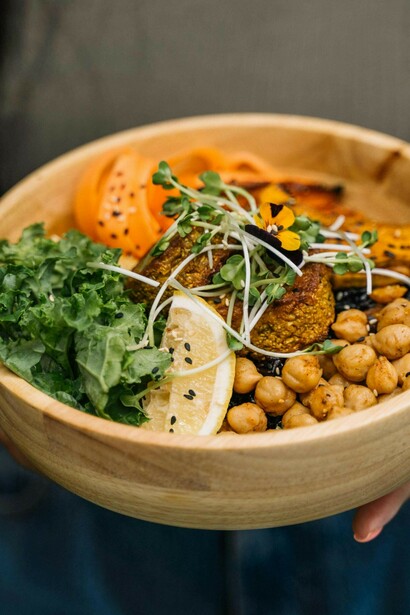
You can also use balanced plates. A plate that is half veggies, a quarter with a protein, and a quarter with a grain is often a good choice!!
- Building the habit: it can start simply, like trying to eat one meal a day off a screen. Over time, this practice reduces mindless snacking. Studies, like one from the journal Obesity, show that mindless eaters consume 300 fewer calories a day, which is just one benefit to this practice. It intelligently defers diet fatigue.
Intuitive nutrition: listening to your body's signals
Intuitive nutrition simply means you eat based on your body. You ignore the calorie myths and the ridiculous diets, and you use them to nourish your body.
Key principles
Reject diet mentality: no more rigid prescriptive diets. No more calorie counting. Eat what you feel you need and what feels good in your body.
Honour hunger: respond to true hunger, which will come from your emotional self and true from your body.
Make peace with food: there is no need to feel guilty about eating. Food is not a bad thing. With the proper calories and nutrition, there should be no forbidden food, no delicious treats, and no need to starve yourself.
Respectfulness: Satisfied? Awesome. You don't need to be stuffed. That's bad for you.
Challenge the food police: no critics. No inner critics. No outer critics. Labelling food is bad.
Psychological benefits: body trust and self-esteem go up. Intuitive eating is associated with quality mental health and the use of healthy and nutrient-dense foods. Studies like the one published in the journal Nutrients show that the practice of intuitive eating helps with quality mental health.
Practical integration: Use a hunger scale from one to ten to help guide your choices. For example, if you are at a three on the hunger scale, meaning you are mildly hungry, you might want to eat a snack such as some yoghurt with a few berries. This continues to support weight management while avoiding hunger restrictions, as intuitive eaters tend to maintain their weight long-term.
Mindful eating and intuitive nutrition come with some pretty awesome benefits, as they allow for the transformation of eating habits from a reactive approach to a more proactive approach.
Increased physical health
Weight management: this approach promotes gradual and long-term weight loss without the deprivation that typically comes along with weight loss. One study published in the journal Appetite finds that intuitive eaters tend to lose weight more than those who diet.
Digestive system health: When people take the time to chew their food, they help their stomachs. It helps with digestion and can lessen the discomfort associated with bloating. It can also help people be more efficient at absorbing the nutrients from their food as they eat more mindfully.
Reduce risk of disease: Integrating more whole foods into your diet can help lower the chance of getting diabetes and heart disease.
Psychological and emotional gains
Less stress-induced eating: stress and emotional advances are binge eating caused by lowering cortisol rates through mindfulness practices.
More self-compassion: intuitive nutrition and positive body image build body shame and combat diet culture.
Mental health: these practices are linked to lower rates of depression by encouraging eating for pleasure, which supports studies in eating behaviours.
Long-term habit formation: By rewiring your response, you gain positive habits like eating carrots and not chips when under pressure.
Virtuous cycle of health: the practices above promote stress relief, balance, and clarity. Healthy.
Addressing challenges and myths: navigating common pitfalls
All these wonderful but powerful approaches do not come without some hurdles to be overcome.
Common challenges
- Uneasiness: if tuning in to your body’s cues is unfamiliar to you, begin with very brief practices.
Diet culture and intuitive eating are at odds, which can be frustrating since you will have to educate others and find supportive communities.
Mindfulness requires time and focus, and when you are busy, you might have to be creative. Consider a 1-minute breath before meals as a “mini-mind”.
Myths busted
Myth: it’s Just Eating Slowly: We’re talking about awareness, not speed.
Myth: it Leads to Overeating: Studies show the opposite; intuitive eaters self-regulate better.
Myth: only for weight loss: It’s about well-being, including maintenance.
Overcoming barriers: partner with a dietitian for app-based reminders, and build accountability with group classes.
Expert insights and research: voices from the field
The experts really emphasise the power of these practices.
Dietitian quotes: Dr Susan Albers, author of Eating Mindfully, says, “Mindful eating helps clients reconnect with pleasure in food, leading to lasting habits!” Intuitive nutrition pioneer Tribole says it’s about “ditching diets for a lifetime of health.”
The science: Mindful Eating and Intuitive Eating: A 2023 study in the American Journal of Clinical Nutrition shows mindful eaters have 25% better adherence to healthy habits. Intuitive eating is tied to better cholesterol.
Real stories: “Mindful eating stopped my binge cycles; now I enjoy meals guilt-free,” says Sarah, a former dieter. Athletes use intuitive nutrition to eat for performance and fuel with their body cues.
Practical tips and takeaways: starting your journey
Are you ready to start eating mindfully and focusing on intuitive nutrition? Here’s how to begin.
Start small: each day, focus on one eating technique. One example to start with is mindful chewing.
Track progress: when you experience different levels of hunger and different gut feelings, write in your journal.
Seek support: online communities and emotional eating therapy are good ways to get support.
Integrate nutrition: when you are focusing on nutrition, start with whole foods and work with a dietitian to get more balance.
Celebrate wins: your energy levels and your gut aren’t the only things to focus on. There are other things to focus on that are not related to your weight.
When you start to employ these psychological dietetic tools, you begin to change your habits and, more importantly, establish a relationship with food that will last a lifetime and will be good for your body and your mind. Each mindful bite will take you a step closer to intuitive eating. Enjoy your food.