English
 Español
 Français
 Deutsch
 Italiano
 Português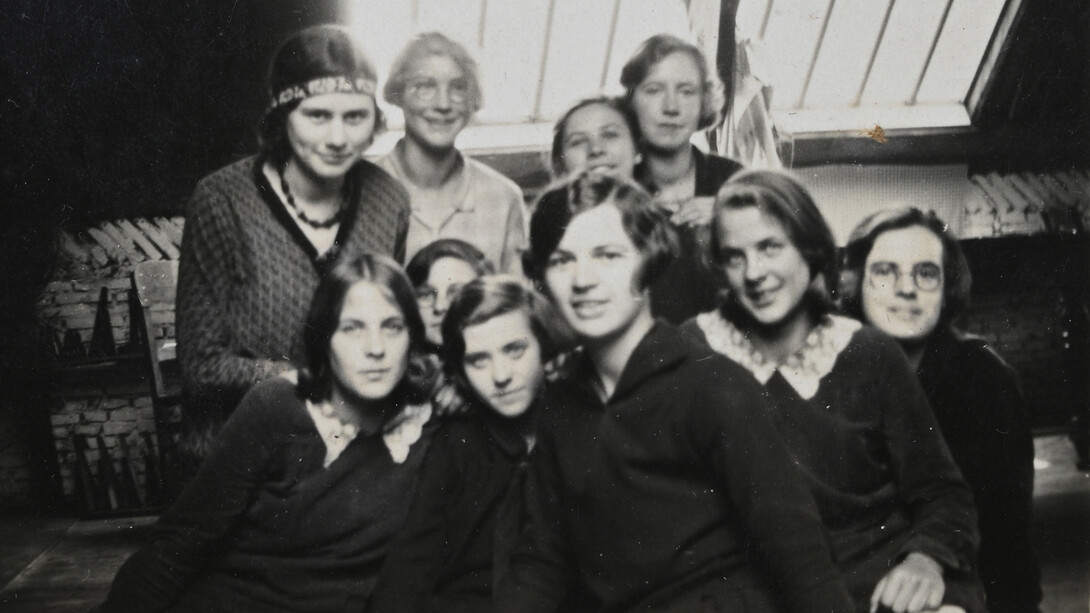
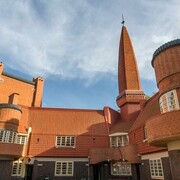
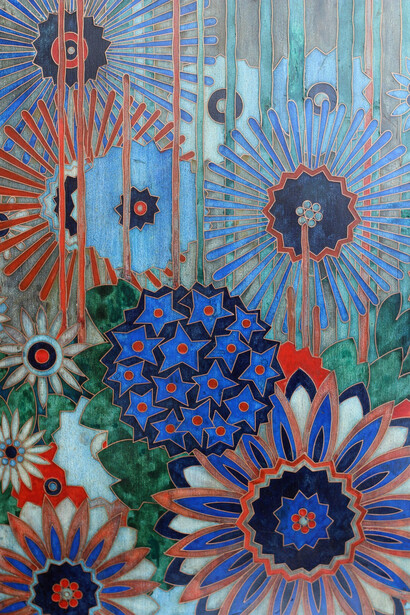
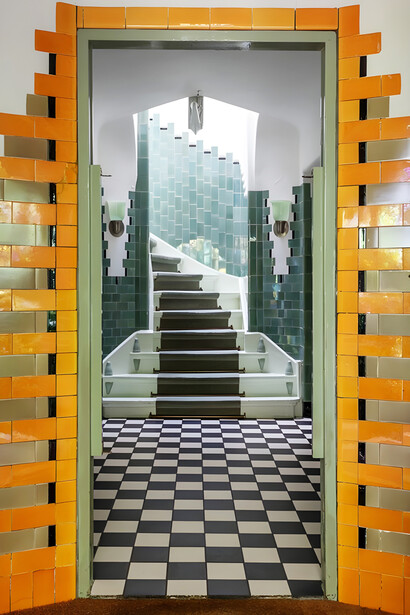
From 26 September 2025 to 28 June 2026, Amsterdam-based Museum Het Schip presents the exhibition Unseen talent: women of the Amsterdam school, focusing on the underrepresented work and lives of female artists within this influential art and architectural movement. Featuring a wealth of previously unseen works — ranging from textiles and ceramics to graphic design and architecture — this expressive and richly coloured exhibition showcases both the diversity of their oeuvres and the turbulent world in which they were created.
Margaret Kropholler (1891–1966), the first female architect in the Netherlands, faced significant prejudice. Women were considered unsuitable to lead construction sites, yet Kropholler excelled to such an extent that she was appointed site manager for the Paris World Exhibition in 1925. The exhibition brings her innovative vision to life through impressive architectural drawings, photographs, furniture, and notebooks filled with progressive ideas.
Graphic artist Tine Baanders (1890–1971) found freedom in the vibrant artistic milieu and in the travels she undertook with her partner. Constantly reinventing herself, she mastered a wide range of styles. As one of the few female graphic designers of her time, she was responsible not only for design but also for illustration. She created four covers for the Amsterdam School magazine Wendingen, which are presented in the exhibition alongside posters, book covers, certificates, and other graphic works.
Louise Beijerman (1883–1970) deliberately chose the physically demanding profession of sculpture — long considered unsuitable for women — thus going directly against prevailing norms. She produced work for prominent Amsterdam School artists such as Michel de Klerk and Piet Kramer, yet was almost entirely erased from art history. The exhibition restores her to prominence with portrait heads, autonomous works, sketchbooks, and the Wendingen cover she designed following De Klerk’s death.
Giving artists a face
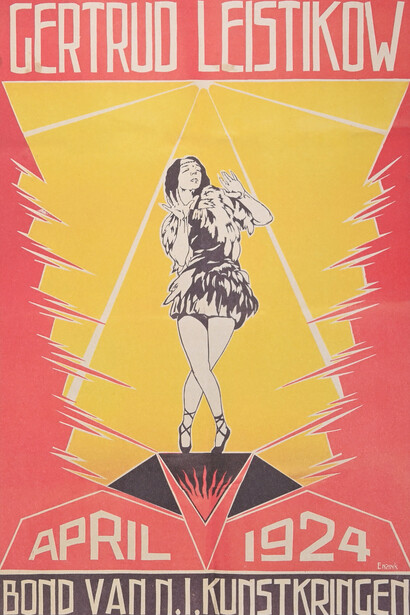
While the exhibition centres on these three women, it also highlights the work of others, including graphic artist Fré Cohen, textile pattern designer Marie Kuyken, craftswoman Cathrien Bogtman, ceramicist Lea Halpern, painter Else Berg, dancer and choreographer Gertrud Leistikow, textile artist Agathe Wegerif-Gravestein, and Grietje Kots, who was active as a mask, puppet and marionette maker as well as a painter and draughtswoman.
The exhibition also pays close attention to women working in studios, where work was often signed by men despite women having significant artistic influence on the final outcome. By doing so, the exhibition reveals the layered nature of authorship and sheds light on women who never received recognition for their contributions.
The women’s movement
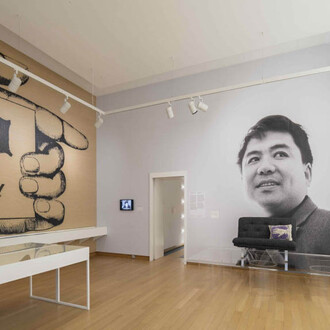
Designed by costume and set designer Tatyana van Walsum, the exhibition engages all the senses through a wide array of objects — from furniture and textiles to graphic art, architecture, masks, jewellery, and ceramics. Personal stories come to life through photographs, video material, and (spoken) audio fragments from diaries and letters. Through the artworks, visitors are introduced to the interwar period (1918–1939), when emancipation and progressive ideals clashed with more conservative views of society. Themes such as freedom and equality — still fiercely debated today — are explored. The exhibition revisits the landmark emancipation exhibition De vrouw 1813–1913, examines the expressionist circles in which these women worked, and highlights the roles women played in the art world of the early 1920s and 1930s.
Contemporary voices
The exhibition also features video portraits of five well-known and emerging women active today in the fields of art, architecture, and feminism. They reflect on the exhibition and discuss how its stories and themes resonate with their own experiences and professional lives. In this way, historical themes are connected to contemporary issues, encouraging visitors to reflect on these parallels themselves.
Unseen talent: women of the Amsterdam school is accompanied by a richly illustrated publication offering an in-depth exploration of the exhibition.