English
 Español
 Français
 Deutsch
 Italiano
 Português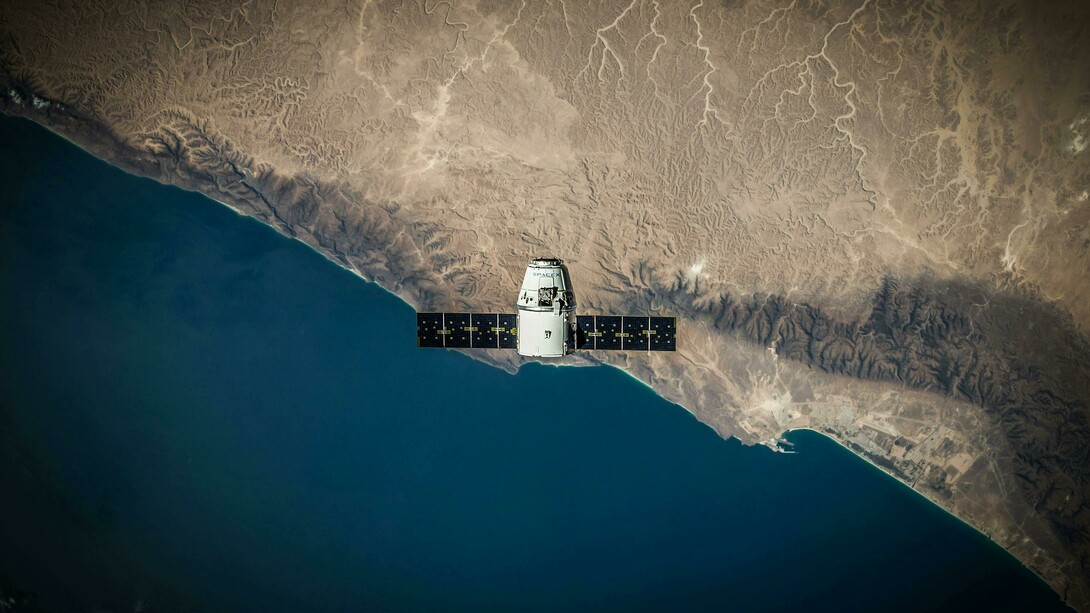
The story of human history is being rewritten from two extraordinary vantage points: 400 miles above Earth's surface and within the microscopic structure of ancient bones themselves. Space archaeologists like Sarah Parcak use satellite imagery to discover lost cities, forgotten tombs, and ancient settlements buried beneath centuries of soil, while geneticists extract DNA from bones thousands of years old to reveal the migrations, mixing, and movements of our ancestors. Together, these revolutionary technologies are unveiling a past far more dynamic, interconnected, and surprising than anyone imagined. Sarah Parcak has discovered the location of 17 potential pyramids, some 3,100 settlements, and 1,000 lost tombs across Egypt, while ancient DNA researchers have analyzed nearly 5,000 ancient human genomes to map prehistoric migrations across continents.
This convergence of space-based archaeology and ancient genomics represents a scientific revolution that has fundamentally transformed our understanding of human history. We've gone from mapping a few dozen ancient sites in one summer-long archaeological season to mapping hundreds, if not thousands, of sites in weeks. Meanwhile, researchers have created the world's largest ancient human gene bank by analyzing the bones and teeth of almost 5,000 humans who lived across western Europe and Asia up to 34,000 years ago. These technologies reveal a past where massive migrations repeatedly reshaped populations, where cultures spread through both the movement of people and the transmission of ideas, and where the genetic legacy of ancient encounters still shapes human health today. The combination of seeing what's hidden beneath the ground and reading what's encoded in ancient bones is answering questions archaeologists couldn't even ask a generation ago.
Eyes in the sky: the birth of space archaeology
Space archaeology emerged from a simple but powerful insight: features invisible at ground level become apparent when viewed from above. Some 400 miles up in space, satellites collect images that are used to identify buried landscapes with astonishing precision. Like medical scans that let doctors examine parts of the body they couldn't otherwise see, satellite images help scientists find and map long-lost rivers, roads, and cities. The technology exploits how buried archaeological features affect soil moisture, vegetation growth, and surface topography in ways imperceptible to observers on the ground but clearly visible from orbit.
The field's modern incarnation began with military satellite technology being declassified and adapted for scientific purposes. Early space archaeologists used relatively crude satellite images to identify large features like ancient roads and city walls. As satellite resolution improved and image processing became more sophisticated, researchers gained the ability to detect increasingly subtle archaeological indicators. Today's high-resolution commercial satellites can capture images with pixel sizes smaller than a meter, revealing details that would take archaeologists decades to map through traditional ground surveys.
The real breakthrough came with multispectral and infrared imaging capabilities that see beyond visible light. The infrared images, when suitably processed, are able to be used to detect remains lying up to one foot, or thirty centimeters, beneath the earth's surface in areas where there is no modern development. Different materials absorb and reflect electromagnetic radiation differently—ancient mud brick walls buried under sand show up as distinct patterns in infrared wavelengths invisible to human eyes. Vegetation growing over buried structures displays stress patterns detectable through satellite sensors, creating "crop marks" that outline ancient architecture.
Sarah Parcak treats the heavens as her trenches, sieving pixels like sand, analyzing satellite data to reveal archaeological sites invisible to researchers standing directly above them. Her pioneering work in Egypt demonstrated the extraordinary potential of space archaeology. Using infrared satellite images, Parcak was able to show the massive extent of the ancient settlement of Tanis, which was featured in Raiders of the Lost Ark. The network of streets and houses was completely invisible at ground level, yet satellite imagery revealed the entire city grid in stunning detail.
The democratization of satellite imagery has accelerated archaeological discovery worldwide. Where once only well-funded research teams could access high-resolution satellite data, platforms like Google Earth and commercial satellite services have made imagery available to researchers everywhere. Parcak's hit rate in the field is near 100 percent when she visits sites identified through satellite analysis, demonstrating that these aren't just interesting patterns but genuine archaeological remains waiting to be excavated.
Ancient DNA: reading the genetic book of humanity
While satellites reveal where ancient people lived, ancient DNA reveals who they were, where they came from, and how different populations mixed over time. The field of ancient genomics has exploded over the past decade, driven by technological breakthroughs that enable scientists to extract and sequence DNA from bones thousands of years old. Fueled by advances in analyzing DNA from the bones of ancient humans, scientists have dramatically expanded the number of samples studied—revealing vast and surprising migrations and genetic mixing of populations in our prehistoric past.
The technical challenges of ancient DNA research are formidable. DNA degrades over time, breaking into smaller fragments that become increasingly difficult to identify and sequence. Environmental conditions dramatically affect preservation, with cold, dry environments preserving DNA far better than warm, moist conditions. Bone is an amazing preservation context for DNA, with hydroxyapatite mineral content preserving it well enough over thousands or tens of thousands or even hundreds of thousands of years to be analyzed. Remarkably, bones often preserve DNA better than soft tissues even when both survive in mummies or naturally preserved remains.
A crucial breakthrough came from an unexpected source: the petrous bone, containing the tiny inner ear, harbors 100 times more DNA than other ancient human remains. This discovery by archaeologist Ron Pinhasi transformed the field by dramatically increasing the amount of genetic material available for analysis. The dense petrous bone protects DNA from environmental degradation better than any other skeletal element, enabling successful DNA extraction from remains that would otherwise yield too little genetic material for analysis.
Technological advances in DNA sequencing made processing thousands of ancient samples feasible and affordable. The tropical environment degrades human remains rapidly, so researchers have to be savvy about how to retrieve DNA from bones and teeth, relying on advances in genomic sequencing that allowed the automated recovery of damaged DNA. Modern sequencing machines can process samples orders of magnitude faster than earlier technologies, while sophisticated computational methods reconstruct complete genomes from millions of DNA fragments. The dramatic cost reduction and speed increase in gene sequencing made possible by advanced machines from Illumina and other companies fueled these scientific leaps forward.
The resulting genetic data provides unprecedented insights into ancient populations. Rather than sequencing entire genomes, researchers focus on 1.2 million carefully chosen variable positions that capture most human genetic diversity. This targeted approach balances information content with cost and computational requirements, enabling analysis of thousands of ancient individuals. The genomes reveal not just ancestry but also diseases, physical traits, dietary adaptations, and immune system characteristics of ancient peoples.
Rewriting migration history: movement and mixing
Perhaps the most revolutionary finding from ancient DNA research is the sheer scale and frequency of human migration throughout prehistory. Large-scale migration, mobility, and population transformation are features of our past—we're all mixed, and nobody's pure in any sense, going back deep, deep, deep, deep in time. This finding overturns decades of archaeological orthodoxy that viewed ancient populations as relatively stable, with cultural changes spreading primarily through idea transmission rather than population movement.
The orthodoxy—the assumption that present-day people are directly descended from the people who always lived in that same area—is wrong almost everywhere. Ancient DNA reveals repeated population replacements where incoming migrants largely or completely replaced existing populations. These weren't gradual demographic transitions but often rapid transformations occurring over just a few generations. The genetic evidence demonstrates that major cultural changes visible in the archaeological record frequently coincided with substantial population movements.
One of the most dramatic examples involves the Yamnaya people of the Pontic Steppe. The genes that significantly increase a person's risk of developing multiple sclerosis were introduced into northwestern Europe around 5,000 years ago by sheep and cattle herders migrating from the east. These livestock herders from the steppes of Ukraine and southern Russia migrated westward into Europe, bringing genetic variants that provided survival advantages by protecting against infections from their animals. Today, these same genetic variants significantly increase multiple sclerosis risk, demonstrating how ancient migrations continue affecting human health millennia later.
The extent of population replacement revealed by ancient DNA sometimes stuns researchers. Large-scale population movements from Eastern Europe during the 6th to 8th centuries replaced more than 80% of the local gene pool in Eastern Germany, Poland, and Croatia. This massive demographic transformation associated with Slavic expansion shows how completely populations could be replaced even in relatively recent historical periods. The genetic data confirms textual and archaeological evidence while revealing the true scale of population movements that written sources only hinted at.
Migration patterns varied considerably across time and space. At least 8% of individuals included in a study of the Roman Empire did not originally come from the area of Europe, Africa, or Asia in which they were buried. The increase in mobility meant that, for the first time, people were traveling across a continent within their lifetimes. The Roman Empire facilitated unprecedented human mobility through its roads, ships, and political stability, creating patterns of movement visible in the genetic diversity of ancient populations across its territories.
Unexpected connections: gene flow across continents
Ancient DNA research has revealed surprising connections between populations separated by vast distances. In a landmark study, researchers decoded the ancient genomes of ten individuals dating back up to 7,500 years, uncovering unexpected gene flow from the Americas back into Asia. This finding upends simple models of human migration as unidirectional movement out of Asia into the Americas. Instead, it reveals dynamic bidirectional exchange with populations moving in both directions across the Bering land bridge or by boat along Pacific coastlines.
One particularly striking discovery involved a shaman buried 7,500 years ago in the Altai-Sayan region of Siberia. This individual was genetically closer to Ancient Northeast Asians—a lineage previously identified only in Neolithic hunter-gatherers from the Russian Far East, over 1,500 kilometers away. Despite being buried with an elaborate ceremony suggesting high social status, his genetic ancestry differed completely from the local population. This finding underscores how culture and genetics don't always align—people with vastly different ancestries could share traditions, rituals, and perhaps even languages.
The Bell Beaker phenomenon provides another example of how cultural spread can occur through different mechanisms. The Bell Beaker culture first spread between Iberia and central Europe beginning about 4,700 years ago. Ancient DNA analysis revealed that initially, only the ideas—not the people who originated them—made the move from Iberia to central Europe. The distinctive bell-shaped pottery and associated cultural practices spread through cultural transmission while populations remained genetically distinct. Later, substantial population movements did occur, but the initial spread demonstrates that culture and genes can travel independently.
Perhaps the most famous genetic connection involves our relationship with extinct human species. Despite going extinct around 40,000 years ago, the genes of Neanderthals are still found in humans today, with Neanderthal DNA percentage on average around 2%. Recent research narrowed down that Neanderthals and Homo sapiens interbred during a single period between 45,000 and 50,000 years ago. This much more recent date than previous estimates means that ancestral Homo sapiens migrated out of Africa later than previously thought, fundamentally revising the timeline of human expansion across the globe.
The interbreeding wasn't just a curiosity of evolutionary history—it had functional consequences. These genetic variants provided a survival advantage to the Yamnaya people, most likely by protecting them from catching infections from their sheep and cattle. Some Neanderthal genes helped modern humans adapt to new environments and pathogens they encountered outside Africa. However, other Neanderthal genetic variants proved harmful in the long term, contributing to modern disease susceptibility, including autoimmune conditions.
Hidden cities: lost civilizations revealed
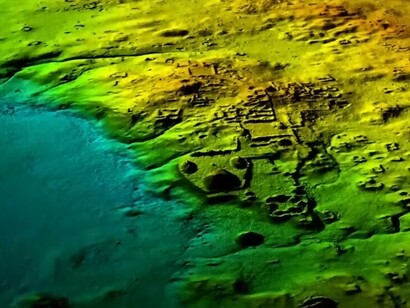
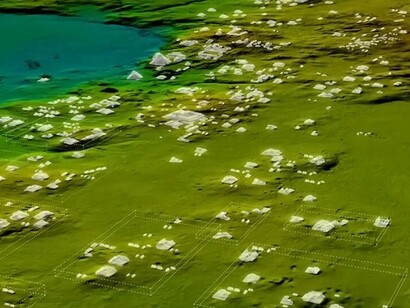
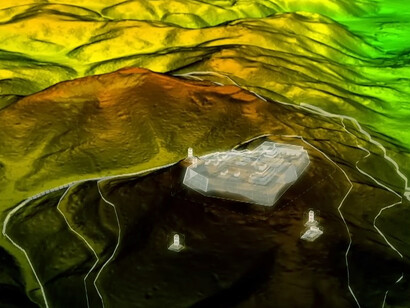
Space archaeology's most spectacular achievements involve discovering entire lost cities that had vanished from human memory. LiDAR technology—light detection and ranging—has proven particularly revolutionary for finding archaeological sites hidden beneath dense vegetation. LiDAR scans large areas by emitting thousands of pulses of laser light every second, with the ability to detect vast structures beneath layers of vegetation and to map the subtle changes of ancient landscapes. The laser pulses penetrate tree canopies, revealing ground surface topography with stunning precision.
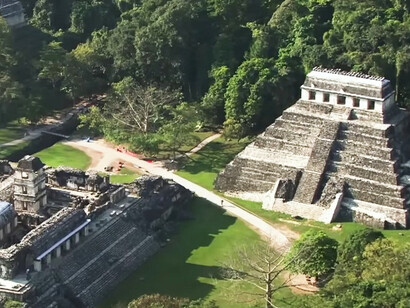
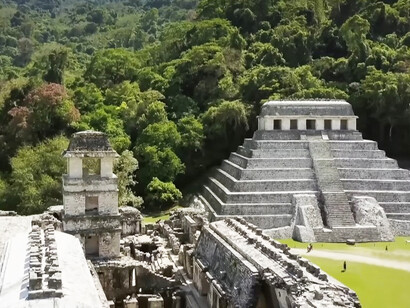
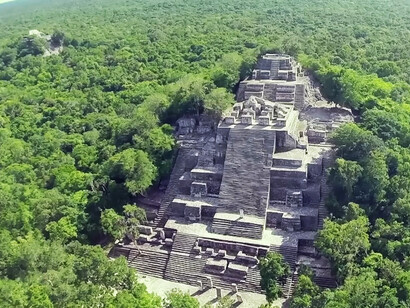
Finds in 2024 include Maya settlements at Campeche in southern Mexico; a landscape of gardens, roads, and rivers in Ecuador's Amazon rainforest; ancient ruins on the Pacific island of Tonga; and the remains of two medieval cities along a Silk Road route in Uzbekistan. These discoveries demonstrate LiDAR's global applicability across diverse environments and time periods. In Central America, LiDAR revealed that Maya civilization was far more extensive and populous than previously believed, with settlements covering vast areas that ground surveys had completely missed.
The lost city of Ubar in Oman's desert represents a triumph of early space archaeology. A Challenger space mission in 1984 provided the perfect opportunity to scan the desert of Oman from space, revealing ancient caravan routes packed down over hundreds of years by camel trains. The intersections of these routes provided clues to potential city locations. Archaeologists excavating at promising sites eventually uncovered a many-towered fortress, likely the home of the king and hub for frankincense storage, corresponding to the legendary lost city of Ubar described in ancient texts.
The scale of undiscovered archaeology staggers the imagination. We've only discovered a fraction of one percent of archaeological sites all over the world. Parcak suggests that there may be more sites and monuments at deeper levels still unknown, with potentially as little as 1% of Ancient Egypt's archaeology having been discovered. The Nile has covered countless sites with silt, while other regions suffer from urban development, agricultural expansion, and natural erosion that buries or destroys archaeological remains before they can be documented.
Climate urgency drives much contemporary archaeological detection work. There's a real sense of urgency around site mapping and site detection just because coastal erosion, wildfires, tsunamis—large-scale climate events—are impacting sites. Rising sea levels threaten coastal archaeological sites, while increased wildfire frequency exposes or destroys sites in forested regions. Rapid site documentation using satellite imagery and other remote sensing tools helps create permanent records before these irreplaceable pieces of human history disappear forever.
Diseases written in bones: health through time
Ancient DNA research has revolutionized the understanding of disease history and evolution. The largest ancient genomic studies reveal how disease susceptibility genes spread through populations over millennia. By analyzing ancient DNA and comparing it to modern-day samples, researchers mapped the historical spread of genes—and diseases—over time as populations migrated. This work demonstrates that many modern health disparities have deep historical roots in prehistoric population movements and evolutionary adaptations.
The multiple sclerosis story exemplifies how ancient migrations shape modern disease patterns. Northern Europe has the highest prevalence of multiple sclerosis in the world, with the genes significantly increasing risk introduced into northwestern Europe around 5,000 years ago by the Yamnaya people. The same genetic variants that protected ancient herders from livestock infections now contribute to autoimmune disease in their descendants. This finding explains the puzzling geographic distribution of MS, which has twice the prevalence in Scandinavia compared to Southern Europe.
Beyond explaining disease distributions, ancient DNA reveals how human immune systems evolved in response to changing pathogen environments. As populations migrated into new regions, they encountered different disease pressures requiring genetic adaptations. Some populations developed genetic variants providing resistance to specific local pathogens. When populations mixed through migration, they exchanged these protective variants, but sometimes the variants proved maladaptive in new contexts or created susceptibility to different diseases.
Physical characteristics and adaptations also leave traces in ancient genomes. The study found why northern Europeans today are taller than people from southern Europe, tracing height differences to genetic variants introduced through prehistoric migrations. Diet-related genetic adaptations—like lactose tolerance that allowed adults to digest milk—spread through populations practicing dairy farming. These adaptations happened recently enough in human evolution that their geographic origins and spread can be traced through ancient DNA.
Artificial Intelligence: the next archaeological revolution
Artificial intelligence will be the next big thing in space archaeology, according to Sarah Parcak. Machine learning algorithms are already transforming how archaeologists analyze satellite imagery and ancient texts. A college student recently employed AI to read ancient scrolls from 2,000 years ago, demonstrating AI's potential for deciphering texts too damaged or fragile for traditional reading methods. These algorithms can detect patterns invisible to human observers, whether in satellite images, ancient manuscripts, or genetic data.
AI excels at pattern recognition tasks that would take humans years to complete manually. Training neural networks on thousands of known archaeological sites enables them to identify similar features in new imagery automatically. The algorithms learn to recognize subtle indicators like vegetation patterns, soil discoloration, and topographic anomalies that correlate with buried structures. Once trained, these systems can analyze vast regions of satellite imagery orders of magnitude faster than human archaeologists, flagging potential sites for ground verification.
Some new evidence about hemisphere population is arriving from satellite images analyzed with the help of AI. These AI-powered analyses help address fundamental questions like how many people lived in the Americas before European contact—questions that archaeological evidence alone struggles to answer definitively. By identifying and mapping settlement patterns across entire continents, AI provides data for population estimates and models of prehistoric demography.
Integration of multiple data types represents AI's greatest potential contribution. Modern archaeological research combines satellite imagery, ground-based surveys, LiDAR data, ancient DNA, historical texts, climate records, and more. AI systems can identify correlations and patterns across these diverse datasets that human researchers might miss. These integrated analyses reveal connections between environmental changes, population movements, cultural transformations, and genetic evolution that tell more complete stories of human history.
The democratization of AI tools through citizen science platforms like GlobalXplorer allows anyone to contribute to archaeological discovery. Parcak used her TED prize money to create GlobalXplorer, a citizen science platform that allows anyone to analyze images from space in order to discover more lost archaeological sites. Thousands of volunteers examine satellite imagery, marking potential archaeological features that algorithms or expert archaeologists then review. This crowdsourced approach dramatically expands the archaeological community's analytical capacity while engaging public interest in heritage preservation.
Ethical dimensions: whose past and whose bones?
The intersection of space archaeology and ancient DNA research raises profound ethical questions about ownership, interpretation, and appropriate use of human remains and cultural heritage. Modern research involving indigenous peoples' ancestors requires meaningful consultation with descendant communities. Many indigenous groups have specific cultural protocols regarding the handling of ancestral remains and objects, which researchers must respect. The question of who has authority to study ancient bones—and who owns the resulting data—becomes particularly complex when genetic analysis reveals unexpected connections between ancient remains and modern populations.
Ancient DNA research can challenge or complicate modern identity narratives and land claims. When genetic analysis reveals that current populations aren't direct descendants of ancient inhabitants, or that groups claiming exclusive ancestral connections to regions actually have complex mixed ancestry, the findings can become politically contentious. Some new evidence is arriving from satellite images analyzed with the help of AI about hemisphere population during the pre-Columbian era. Such research intersects with contemporary debates about indigenous rights, land ownership, and cultural continuity that extend far beyond academic archaeology.
Looting and site destruction represent urgent threats that space archaeology helps combat. After the Arab Spring in 2011, Parcak created, via satellite, a first-of-its-kind countrywide looting map, documenting how plundered tombs first appeared as little black pimples on the landscape and then spread like a rash. Satellite monitoring helps authorities track archaeological looting in real-time, enabling faster response to protect sites. However, publishing site locations also risks attracting looters' attention, creating dilemmas about information sharing versus site protection.
Climate change and development pressure create additional ethical imperatives for archaeological research. Coastal erosion, wildfires, and tsunamis—large-scale climate events—are impacting sites, destroying irreplaceable information about human history before it can be documented. This creates urgency around mapping and excavating threatened sites, but also raises questions about which sites receive protection resources and whose heritage gets prioritized for preservation when resources are limited.
Data sharing and access represent ongoing challenges in both fields. As new scientific discoveries derived from the 5,000-genome data set are published, more data will gradually be made freely available to all researchers, with the complete data set ultimately becoming open access for everyone. Open access enables global research collaboration and ensures that ancient genomic data benefits scientists worldwide rather than remaining locked behind institutional paywalls. However, concerns about biopiracy and the inappropriate use of genetic information from indigenous peoples complicate unrestricted data sharing.
Looking forward: questions still to answer
Despite extraordinary recent progress, countless questions about human history remain unanswered. Archaeologists still don't know how many people lived in the Western Hemisphere during the pre-Columbian era—or, for that matter, precisely when, and by what method, the hemisphere became inhabited. These fundamental questions about the peopling of the Americas illustrate how much we still don't know about human prehistory. Ancient DNA and space archaeology are providing new evidence, but debates continue about migration routes, timing, and population sizes.
We are in a golden age of archaeological discovery right now, and we're going to see some of the most incredible archaeological discoveries ever found in the next few decades. Technological improvements continue accelerating—satellites achieve ever higher resolution, DNA sequencing becomes faster and cheaper, and AI algorithms grow more sophisticated. These advances will enable analysis of more ancient remains, detection of more archaeological sites, and integration of diverse data types that tell richer stories of human history.
Many regions remain archaeologically underexplored due to political instability, lack of research infrastructure, or challenging environments. There are massive manuscript collections in Iraq, Syria, Afghanistan, Egypt, and so many other places that have never been fully examined—hundreds of thousands, millions of manuscripts from these places. These unstudied materials could revolutionize understanding of ancient cultures but require digitization and analysis before they're lost to conflict, neglect, or natural decay.
Future research will increasingly integrate space archaeology, ancient DNA, climate science, and traditional archaeology to answer complex questions about human-environment interactions. How did ancient societies respond to climate change? What made some civilizations resilient while others collapsed? How did disease epidemics shape population history? These questions require evidence from multiple sources—satellite data revealing settlement patterns, ancient DNA showing population genetics and disease, climate proxies documenting environmental changes, and archaeological excavation providing cultural context.
The field's democratization through citizen science and open data promises to engage broader public participation in archaeological discovery. When anyone can examine satellite imagery for archaeological features or explore ancient genomic data, archaeology becomes a shared human endeavor rather than an exclusive professional domain. This broadened participation could accelerate discovery while fostering public appreciation for cultural heritage preservation.
Conclusion: rewriting our shared story
The convergence of space archaeology and ancient DNA research represents one of the most significant scientific revolutions in our understanding of human history. These tools have transformed studies of antiquity, with satellite imagery revealing the locations of walls or foundations of former buildings, while ancient genomes unveil the movements, mixing, and evolution of human populations. Together, they're rewriting humanity's story with unprecedented detail and accuracy, revealing a past far more dynamic and interconnected than previous generations imagined.
The human past wasn't characterized by isolated, static populations but by constant movement, mixing, and transformation. Large-scale migration, mobility, and population transformation are features of our past. This finding has profound implications for how we think about human identity, belonging, and heritage. Rather than having simple, pure ancestries rooted in single locations, all human populations represent complex mixtures of multiple ancestral groups who moved across landscapes, mixed with others, and created the genetic and cultural diversity we see today.
The urgency of this research extends beyond academic curiosity to immediate practical concerns. Climate change threatens archaeological sites worldwide, while political instability endangers cultural heritage in many regions. Space archaeology enables rapid documentation of threatened sites, creating permanent records before they disappear. Ancient DNA provides irreplaceable information from bones that might otherwise decay without study. Parcak notes that part of archaeology's value lies in learning lessons in resiliency from past societies, insights increasingly relevant as modern civilization confronts climate change and other global challenges.
As we stand at the frontier of archaeological and genetic discovery, we're learning not just about where we come from but also who we are. The bones beneath our feet and the satellites above our heads are telling the same story—one of movement, mixing, adaptation, and survival. This shared human heritage reminds us that migration and mixing have always been fundamental to our species' success. Our ancestors' journeys across continents, their encounters with each other and extinct human species, and their adaptations to changing environments created the genetic and cultural diversity that defines humanity today. Understanding this past helps us navigate our future together on a planet where human mobility and mixing continue shaping who we become.