English
 Español
 Français
 Deutsch
 Italiano
 Português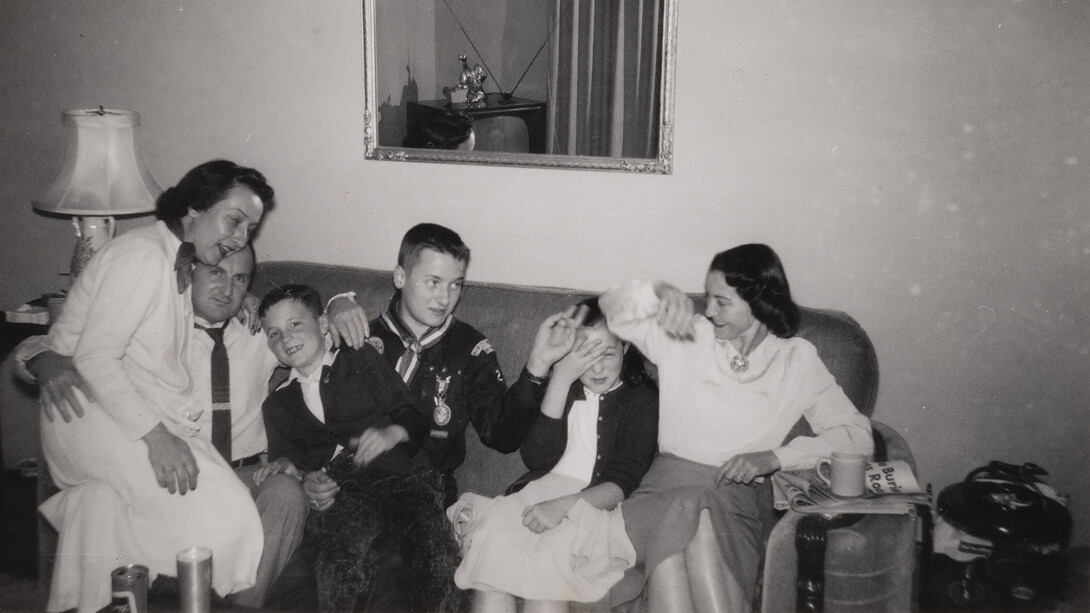
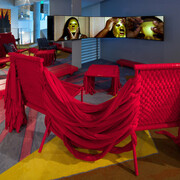
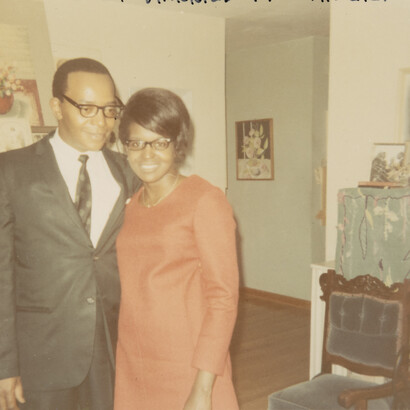
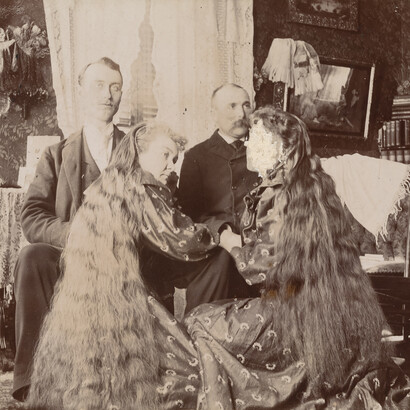
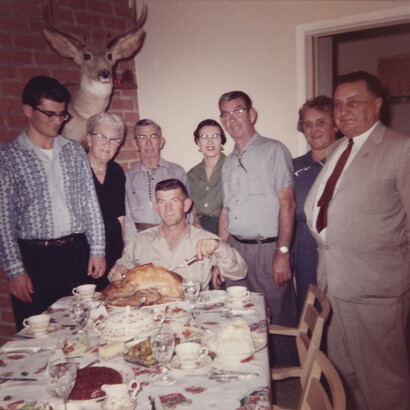
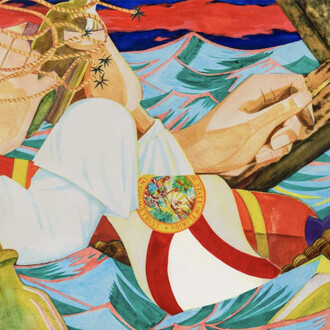
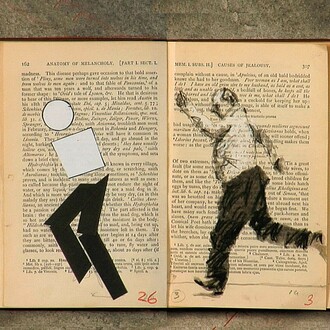
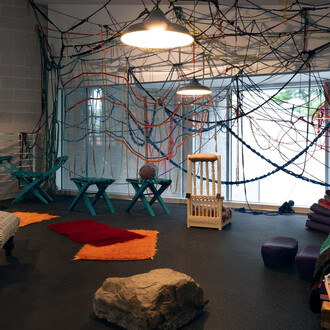
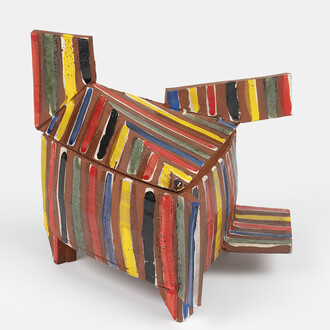
The process of forming a family is deeply personal, shaped by individual histories, emotions, and circumstances, yet it is also an experience shared across cultures and generations. Family forms brings together works of art and archival photographs—primarily drawn from the Tang collection—to explore themes of kinship, care, and belonging. Through these varied materials, the exhibition offers an expansive and nuanced vision of family, one that reflects both intimacy and complexity.
While the nuclear family has long been upheld as the dominant model within American cultural narratives, the works presented here reveal a far broader spectrum of familial structures. Chosen families, extended networks, multigenerational households, and relationships built through care rather than blood all emerge as equally meaningful forms of connection. By presenting these alternatives, Family forms underscores the idea that family is not a fixed structure, but a living, evolving arrangement shaped by social, cultural, and personal forces.
In celebrating multiple ways of living together, the exhibition invites visitors to reconsider their own assumptions about what constitutes a family. Family forms challenges conventional definitions and opens space for reflection, recognition, and empathy. Ultimately, it affirms that family can be defined not only by lineage, but by love, responsibility, and the bonds we choose to nurture.