English
 Español
 Français
 Deutsch
 Italiano
 Português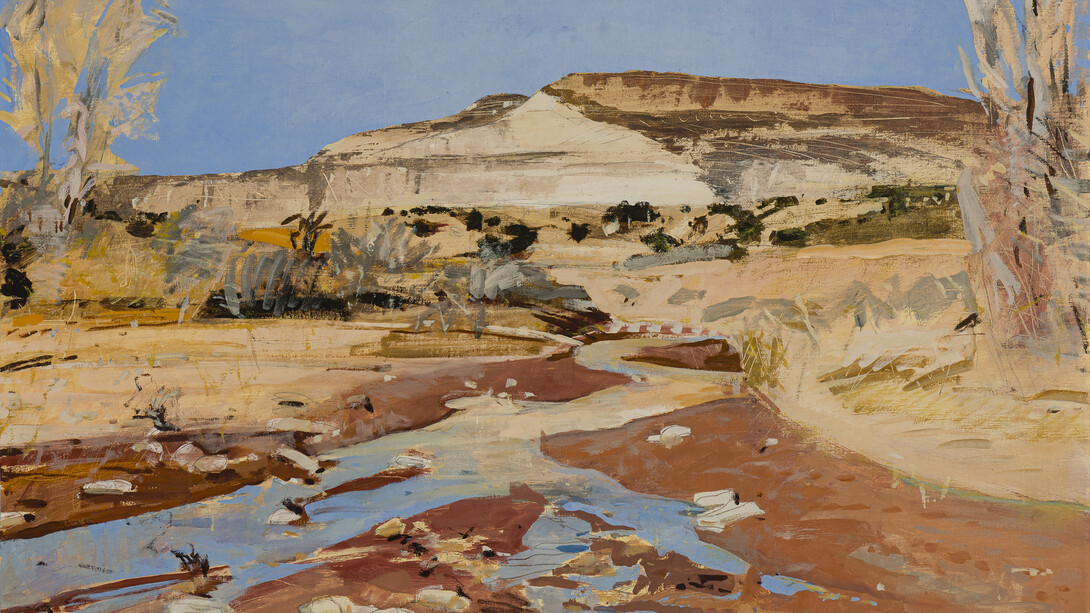
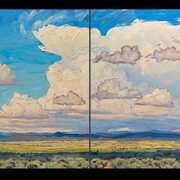
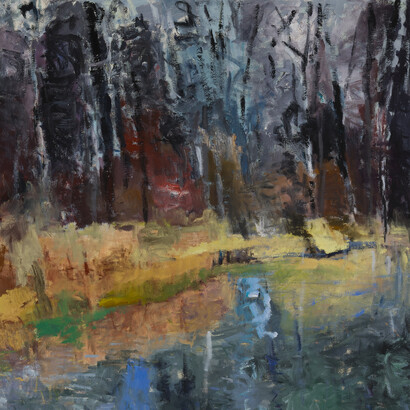
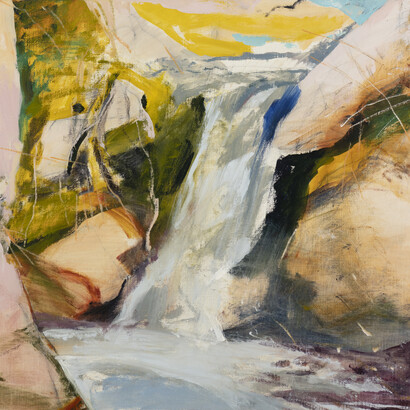
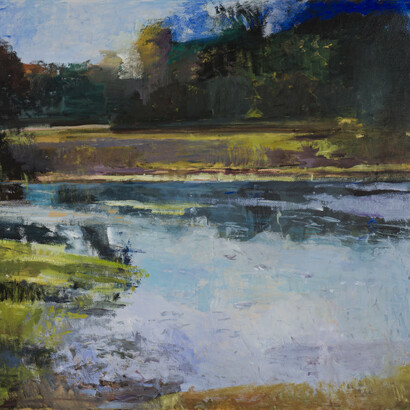
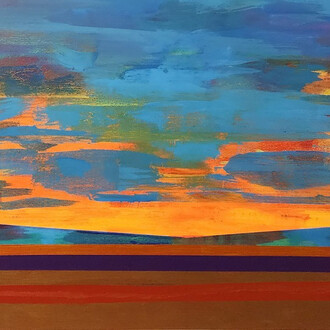
LewAllen Galleries is pleased to present Forrest Moses: The artful heart, an exhibition opening on Friday, February 6, 2026, celebrating the singular contribution of nationally recognized American abstracted landscape painter Forrest Moses (1934–2021). The show examines a commitment to a deeply spiritual and philosophical practice where the experience of being in nature is translated through a refined artistic sensibility. Moses’ work achieves a sublime, immersive quality, offering a profound invitation to share a sense of quiescent tranquility.
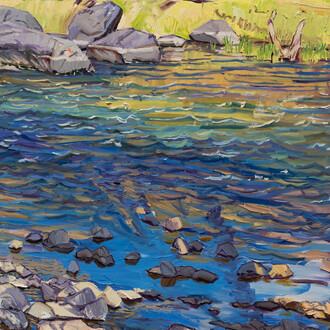
Both the artist and the man embodied the ideal of living artfully, finding inspiration in the land—from lush sylvan woods to arid desert mesas—and translating moments of great exaltation into his art. This spiritual approach manifests in the extraordinary finesse Moses possessed, giving the resulting brushstrokes on his canvases and in his monotypes their remarkable spontaneity and strength. His paintings function as responses to being in places, not as mere representations of place, channeling the rhythms and pulses of the world with loving honesty.
Moses’ aesthetic was powerfully informed by his affinity for the Japanese aesthetic ideas of wabi-sabi—the realization that materials become more complex and beautiful in transition. Combined with an appreciation for post-World War II Abstract Expressionism, this discipline created a principal mode of working he called “mindless of the brush,” allowing his line and color to flow directly from an intuitive sensibility. This resolute vision forged a dynamic tension between abstraction and the recognizable, distilling the essential forms of nature with reductive elegance and simple grace.
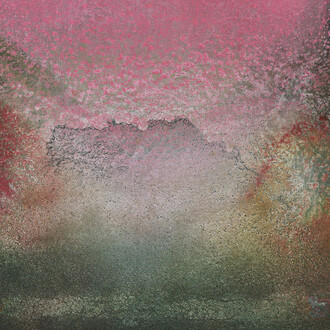
Through this contemplative process, Moses’ canvases and monotypes stand as profound meditations—visual articulations of an especially active and thoughtful appreciation of the natural world. Even work that features recognizable elements transcends mere visual depiction, translating the sensory totality of a locale— the cool touch of a mountain breeze, the scent of the morning—into an experience that has the capacity to transport the viewer. Over his career, his mastery inclined toward abstracted orchestrations of elegant color and line, suggesting seasons by subtle harmonies and employing understated gestures.
In his later period, post-2000, this vision refined into a liberated spirit and deeply mature style. The more distinct, visually recognizable elements dissolved into the emotionally evocative and serenely contemplative. This change from a crisp visual poetry of narrative verse to the light, spare lines of haiku illustrates his ultimate distillation into essentials and intensification of artistic response.
Born in Danville, Virginia, Forrest Moses was educated at Washington and Lee University and the Pratt Institute in New York. His work is included in numerous major private collections and in those of diverse public institutions, including the Whitney Museum of American Art. His work is the subject of an elegant monograph, Forrest Moses, published in 2001.
The lasting power of Forrest Moses’ work resides in its genius for extracting the sublime from the simple. His landscapes transcend mere geography to become spiritual records—not of where he was, but of how he was present in nature. To live among one of his abstracted landscapes today is to invite an act of sustained, calm contemplation, providing an oasis of comfort, stillness, and solitude that ensures his art remains enduringly engaging.