English
 Español
 Français
 Deutsch
 Italiano
 Português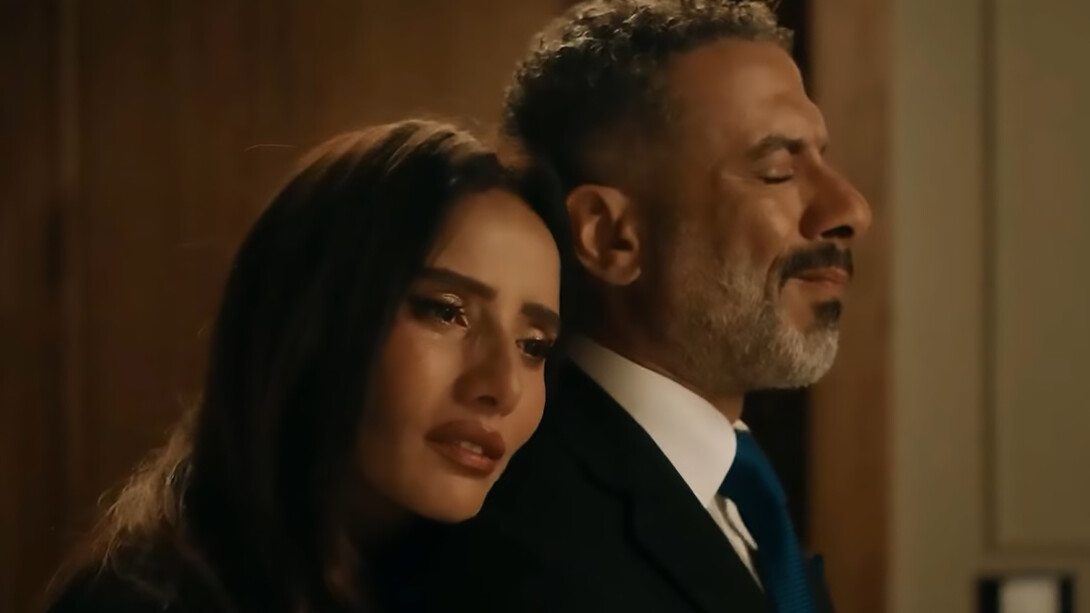
The Egyptian drama “Ward wa Shikolata” has unexpectedly thrust the 2022 murder of television presenter Shaimaa Gamal back into the spotlight, igniting public debate over the ethical boundaries of dramatizing real tragedies. Although the creators have not officially confirmed that the series draws inspiration from Gamal’s killing, audiences quickly noticed striking parallels—particularly after a shocking episode portrayed a brutal marital crime echoing the real-life case that once captivated Egypt and the wider Arab world.
A crime that shook Egypt
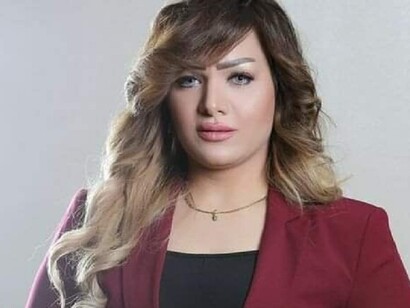
Shaimaa Gamal, famously nicknamed “the heroin anchor” after a controversial on-air stunt in 2017, disappeared in June 2022 under mysterious circumstances. Within days, her husband—a high-ranking judge—was identified as the prime suspect. Investigations later revealed that he had lured her to a farm in the Al-Badrashein area, assaulted her, shot her, and ultimately strangled her to ensure her death. With assistance from his driver, he buried her body in a secluded part of the property.
The case was marked by financial disputes, threats, and allegations of mutual blackmail, all of which fueled widespread media attention. In a dramatic turn, the husband’s accomplice came forward with key information that allowed authorities to locate the body. By August 2022, the judge and his partner were referred to the Grand Mufti for approval of the death sentence—a ruling the court upheld weeks later. The execution was carried out in August of the following year, after which Gamal’s mother held a public memorial announcing the end of the legal journey.
The episode that triggered public outcry
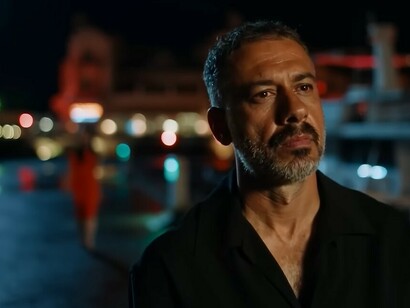
The controversy surrounding “Ward wa Shikolata” intensified after the broadcast of Episode 8, in which actor Mohamed Farrag—playing the abusive husband—kills his wife, portrayed by actress Zeina, in a meticulously crafted scene. The storyline shows the husband coaxing her into a new home under the pretext of inspecting it together. Once inside, he strikes her on the head, strangles her, and later uses a chemical substance to conceal traces of the crime. The episode concludes with him burying her body in an undisclosed location.
Social media erupted almost instantly. Viewers compared the dramatized murder to the actual details of Gamal’s killing, noting uncanny similarities in the method, motives, and aftermath. The uproar grew further when users resurfaced an older television interview with Gamal’s mother, whose emotional retelling of her daughter’s final moments appeared eerily similar to scenes recreated in the series.
Blurring the line between fiction and memory
Although the show’s producers have not acknowledged any direct link to the Gamal case, the narrative elements—an influential husband, an unraveling marriage, threats, betrayal, and a clandestine killing—struck a painful chord with many Egyptians. For some viewers, the drama served as a sobering reminder of a crime they felt had not fully healed in the national memory. For others, the show seemed to exploit real suffering for artistic gain.
Still, the conversation has not been unidirectional. Many audience members praised the series for shedding light on the realities of domestic abuse, noting that dramatization can help amplify issues often left unaddressed in conservative or patriarchal contexts. Critics, however, argued that reimagining a tragedy so soon—particularly one involving a family still grappling with its trauma—raises questions about sensitivity, ethics, and the responsibilities of the entertainment industry.
A reminder of a journalist’s troubled legacy
Interest in Gamal’s life resurged alongside the drama’s release. Born in Cairo in 1980, she gained traction through her program “Al-Moshaghiba” on LTC, where her bold presentation style often courted controversy. Her infamous on-air moment involving a white powder—later revealed to be powdered sugar used as a dramatization—led to the temporary suspension of her show. Still, she remained a recognizable figure in Egyptian media until her violent death in 2022.
Cast reactions and cultural resonance
Zeina, the series’ lead actress, responded to the heated reactions immediately after Episode 8 aired. In a heartfelt message posted on Facebook, she expressed solidarity with women who have lost their lives to gender-based violence: “Mercy to the souls of the women we do not know, the ones whose peace was stolen, whose bodies were buried though they committed no sin. Mercy to them, and condolences to us.” Her statement deepened the emotional impact of the episode and helped frame the storyline within a broader national concern about violence against women.
Domestic violence, power, and a society on edge
Beyond the cultural and emotional reactions, sociologists argue that the public’s response to “Ward wa Shikolata” reflects unresolved anxieties about domestic abuse, especially when the perpetrators are influential or shielded by institutional power. The renewed interest in Gamal’s case, they note, underscores the urgent need for conversation about the structural failings that allow similar crimes to occur.
Experts emphasize that the murder of Shaimaa Gamal exposed systemic gaps: the lack of accessible mechanisms to protect women who report threats or disappear, the slow and opaque response systems in handling missing-person cases, and societal norms that too often silence victims trapped in abusive relationships. Addressing these issues, they insist, requires more than public outrage—it demands sustained legal reforms, community awareness, and stronger institutional accountability.
A revival of pain—and a call to action
Whether perceived as homage, exploitation, or social commentary, “Ward wa Shikolata” has undeniably re-opened national discussion about one of Egypt’s most shocking crimes in recent memory. For some, the series has revived a deeply painful wound; for others, it has reignited long-standing debates on women’s safety, media ethics, and the role of art in confronting violence.
What remains clear is that, three years after Shaimaa Gamal’s death, her story continues to haunt Egyptian society—reminding the public of the fragility of women’s protection, the dangers of unchecked power, and the urgent need for systemic change both onscreen and off.