English
 Español
 Français
 Deutsch
 Italiano
 Português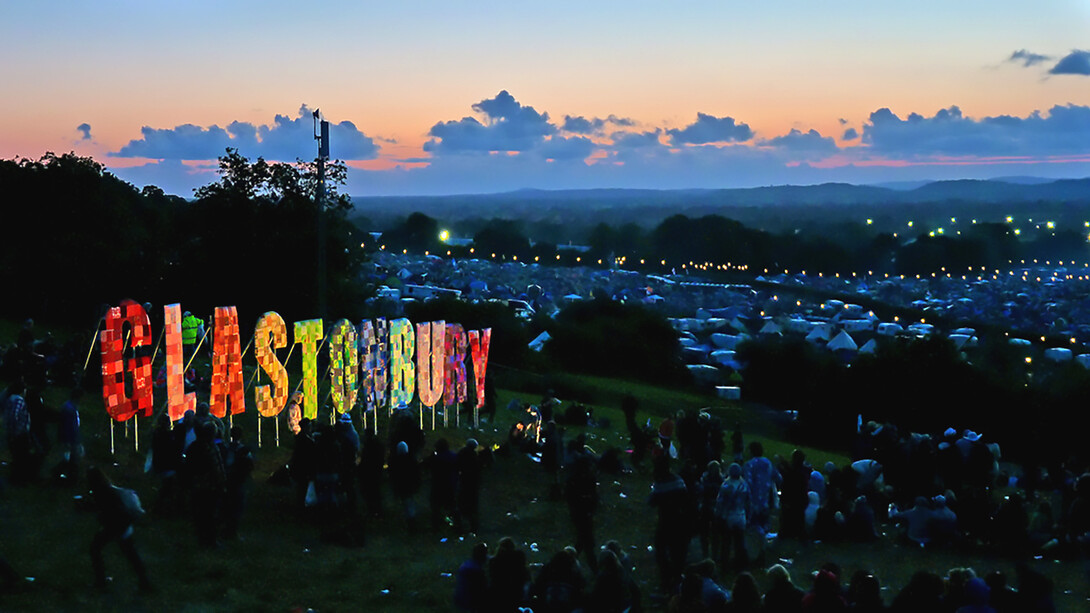
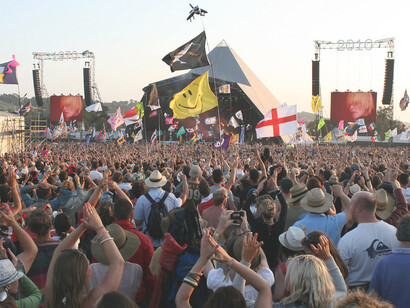
At first glance, it seems like an easy yes. Glastonbury. The Pyramid Stage. Iconic. A cultural rite of passage. One of those bucket-list events everyone says you have to do once before you die.
You can almost picture it: the sun dipping below the horizon, your favorite band playing that song, and a sea of strangers united by rhythm and nostalgia. Pure magic.
But then reality kicks in. The queues. The camping. The infamous toilets. The unpredictable British weather. The fact that you’ll likely spend half the weekend lost, either in the fields, in the crowd, or in a philosophical crisis while waiting 45 minutes for a lukewarm coffee.
So… would you still go? Because here’s the truth: this isn’t just about a festival. It’s about how you approach life.
The festival as a mirror
Glastonbury, like many opportunities in life, becomes a mirror. Are you the kind of person who says, “Screw it—I’ll figure it out”? Or do you get tangled in logistics, the what-ifs, and the weather forecast until the moment passes and you’re left with a regret disguised as “being realistic”?
What seems like a simple decision—go or don’t go—reveals something deeper. Are you building a life around comfort or around meaning? Because if we’re honest, most of the big, beautiful, memorable experiences come with a little mess.
The day we went anyway
We went last year. Let me be clear: it was chaos. My wife was not thrilled about camping—reasonably so. She wanted a bed, a shower, and a functioning toilet. You know, basic human dignity.
But I knew something: if we let logistics and minor discomfort win, we’d miss the memory. So we compromised. We drove there and back in a single day. Exhausting. At one point, it took two hours just to find our car. But we stood in front of the Pyramid Stage. We sang. We laughed. We lost our voices. We made the memory.
And that’s the point. Mindset isn’t about toxic positivity. It’s about showing up when it’s inconvenient, uncomfortable, or imperfect—because you know it matters.
Why we say “No” to life
I know the other side well. The version of me that used to say, “What’s the point?” That guy missed out on a lot.
It wasn’t life holding me back—it was my mind. I’d fallen into what cognitive behavioral therapy calls cognitive distortions: mental traps that warp how you interpret situations. Things like catastrophizing (“What if everything goes wrong?”), all-or-nothing thinking (“If it’s not perfect, it’s pointless”), or fortune telling (“I just know it’s going to be a disaster”).
I called it being “realistic,” but in truth, it was fear dressed up as pragmatism. What changed everything? Getting coached. And I don’t mean the rah-rah, follow-your-dreams kind of coaching. I mean the uncomfortable kind—the kind that forces you to zoom out and ask, “What would my future self say about this moment?”
The science of regret
That question might sound small, but it’s massive. According to psychological research, over 75% of people’s biggest regrets are about things they didn’t do—not the mistakes they made, but the moments they avoided: the job they didn’t take, the love they didn’t pursue, and the adventure they said no to.
This is backed by the work of Dr. Tom Gilovich, a psychologist at Cornell University who has studied regret for decades. His findings are clear: we regret inaction more than failure.
Which means the real risk isn’t going to Glastonbury. It’s not going. Not trying. Not living. Not leaping.
Your future self is watching
So next time you’re faced with a decision—festival or otherwise—ask yourself: Will my future self thank me for this choice? Am I avoiding discomfort or avoiding growth? Will I look back and wish I’d just bloody gone?
If the answer’s yes, go. Camp or don’t camp—but go. Because growth doesn’t come from staying clean, dry, and comfortable. It comes from stepping into the experience and making the memory anyway.
This isn’t about music
Glastonbury is just a metaphor. It could be the business you’re scared to start, the conversation you keep avoiding, the new city you want to move to, or the person you love but haven’t told yet. Life’s biggest moments rarely come with convenience. But they always come with meaning.
The moral
In the end, the question isn’t, “Should I go to Glastonbury?” It’s this: am I building a life of adventure—or avoidance? Because you don’t get to the end of your life and wish you’d been more careful. You wish you’d been more alive.
So go. Say yes. Take the trip. Stand in front of the stage—even if your boots are muddy, your back hurts, and you’re exhausted. Because one day, that won’t be a discomfort. It’ll be one of the best stories you ever tell.