English
 Español
 Français
 Deutsch
 Italiano
 Português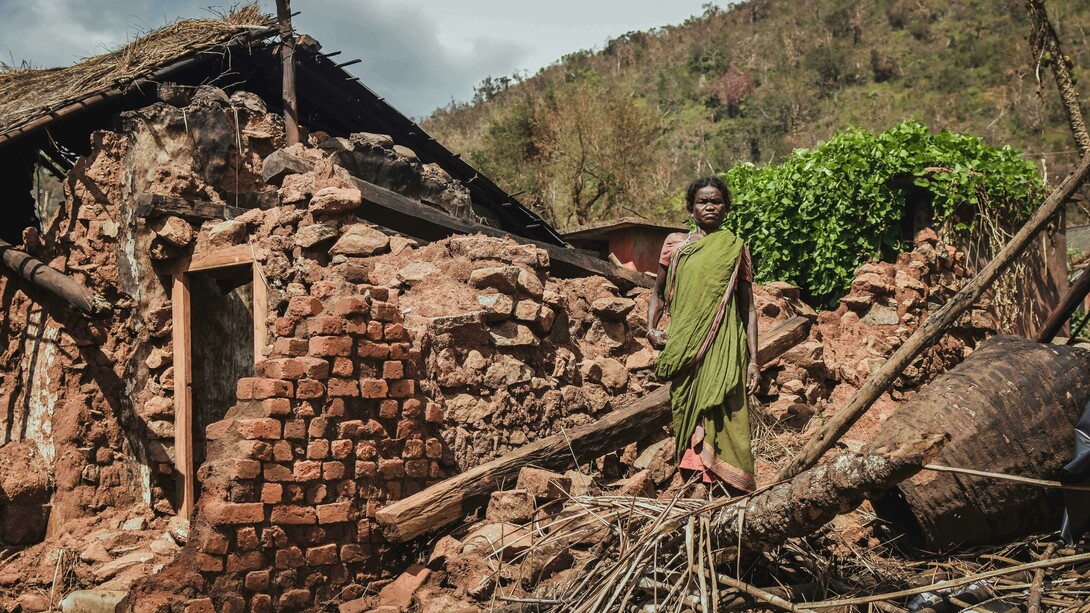
Earthquakes are among the most sudden and destructive natural disasters, capable of reshaping landscapes, destroying communities, and causing loss of life in mere moments. Unlike storms or floods, which often provide some warning, earthquakes strike with almost no notice, making preparation, awareness, and resilience critical. Understanding the causes, risks, and strategies for mitigating their impact is essential for communities living in seismically active regions.
Earthquakes occur when stress builds up along faults in the Earth’s crust and is released as energy, causing the ground to shake. This can happen anywhere in the world, but certain areas—known as seismic zones—are particularly vulnerable due to tectonic plate boundaries. The Pacific “Ring of Fire,” stretching from the west coasts of the Americas to Japan and Southeast Asia, is notorious for frequent and powerful earthquakes. Other regions, like the Himalayan belt or parts of the Mediterranean, also experience significant seismic activity due to plate movements. While the mechanics of an earthquake are complex, the destructive power they unleash is straightforward: collapsing buildings, rupturing roads, triggering landslides, and occasionally causing tsunamis.
The human toll of earthquakes can be staggering. History offers numerous tragic examples: the 2010 Haiti earthquake killed over 200,000 people and left millions homeless; the 2004 Indian Ocean earthquake and tsunami claimed more than 230,000 lives across multiple countries; and the 1994 Northridge earthquake in California caused tens of billions in property damage. In addition to immediate fatalities and injuries, earthquakes have long-term consequences, including psychological trauma, economic disruption, and the collapse of infrastructure. Communities often struggle to recover for years, highlighting the importance of both preparation and rapid response.
Urbanization has amplified earthquake risk. Cities built without stringent building codes or with aging infrastructure are especially vulnerable. Poorly constructed buildings are prone to collapse, while inadequate roads and bridges hinder rescue and relief efforts. In contrast, regions that enforce earthquake-resistant construction standards, such as Japan and California, tend to suffer far fewer casualties despite frequent seismic activity. Technology and planning can significantly reduce human vulnerability, even when the natural threat cannot be eliminated.
Early warning systems represent a significant advancement in earthquake preparedness. These systems use sensors to detect initial seismic waves, sending alerts seconds to minutes before more damaging waves arrive. While this may seem like a brief interval, even seconds can allow people to take protective actions—drop, cover, and hold on—or for critical systems to shut down, reducing the likelihood of catastrophic secondary disasters such as fires or chemical spills. Countries like Japan, Mexico, and Taiwan have successfully implemented such systems, saving countless lives.
Education and community awareness are equally vital. Individuals need to know how to respond during and after an earthquake, including securing heavy furniture, identifying safe zones, and preparing emergency kits with water, food, and first aid supplies. Schools and workplaces can conduct drills to ensure everyone understands evacuation routes and emergency procedures. Community engagement fosters resilience by ensuring people are not passive victims but active participants in their safety.
The threat of earthquakes also intersects with socioeconomic factors. Low-income communities often bear the brunt of seismic disasters because they live in poorly built structures and have limited access to emergency resources. Recovery is slower, and the cycle of poverty can be worsened by the sudden loss of homes, livelihoods, and infrastructure. Addressing these inequalities through disaster planning, infrastructure investment, and social support programs is essential for reducing vulnerability and building resilient communities.
While earthquakes cannot be prevented, their consequences can be mitigated through preparedness, technology, and resilient planning. Governments and communities must prioritize stringent building codes, public education, early warning systems, and emergency response infrastructure. Individuals, too, must take personal responsibility by preparing homes, practicing safety measures, and staying informed about local seismic risks. By combining proactive planning with informed action, societies can reduce the devastating impact of earthquakes, turning what could be sudden tragedy into a manageable risk.
In addition, international cooperation plays a crucial role in strengthening earthquake resilience. Sharing scientific data, engineering innovations, and emergency response strategies enables countries with fewer resources to benefit from global expertise. Humanitarian organizations and research institutions often collaborate to improve forecasting technology, train rescue teams, and support rebuilding efforts after major quakes. Public–private partnerships also enhance resilience by funding infrastructure upgrades and community preparedness programs. These collective efforts highlight that protecting lives from earthquakes is not only a national responsibility but also a global commitment.
In conclusion, the threat of earthquakes is a constant reminder of nature’s unpredictability and power. While humans cannot stop tectonic plates from shifting, they can take steps to minimize damage, protect lives, and recover more quickly when disaster strikes. Earthquake preparedness is not optional—it is a crucial aspect of living safely in a dynamic, ever-changing world. Through awareness, planning, and resilience, communities can face the shaking ground with greater confidence, ensuring that the fury of the earth does not become the fury of loss.