English
 Español
 Français
 Deutsch
 Italiano
 Português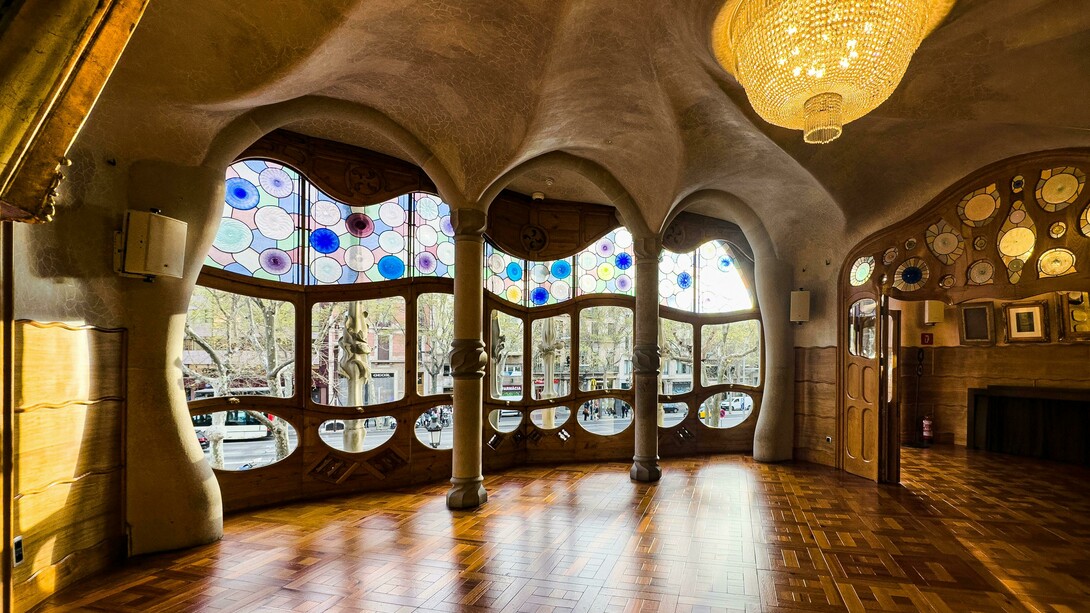
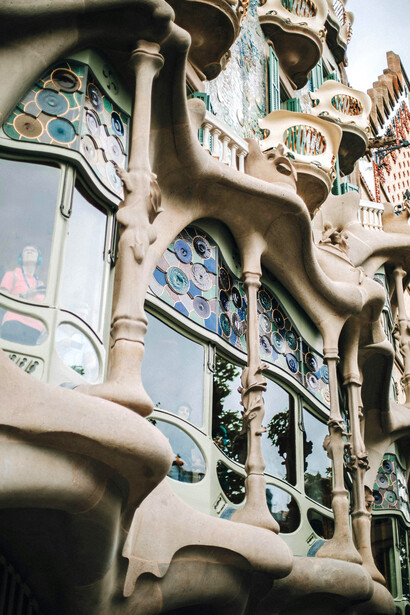
At the end of the 19th century, European cities were racing to keep pace with the rapid advance of industrialization. Amid mass production, mechanization, and urban expansion, designers and artists sought a different kind of expression—one that was fluid, organic, and intimately tied to nature. This search gave rise to Art Nouveau, or “New Art,” a style that did not merely imitate nature but harmonized with it, bringing its elegance and rhythm into everyday life.
While most people associate Art Nouveau with flowing façades and stained-glass windows, one of its most compelling expressions lies in furniture design. Chairs, tables, and consoles were not just functional objects—they became living canvases that captured the artistic spirit of the era.
Flowing lines and the language of nature
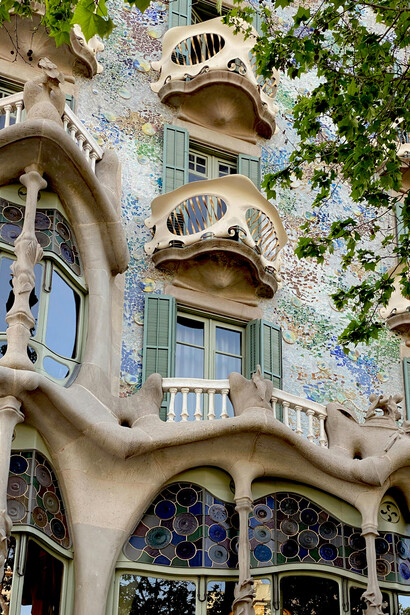
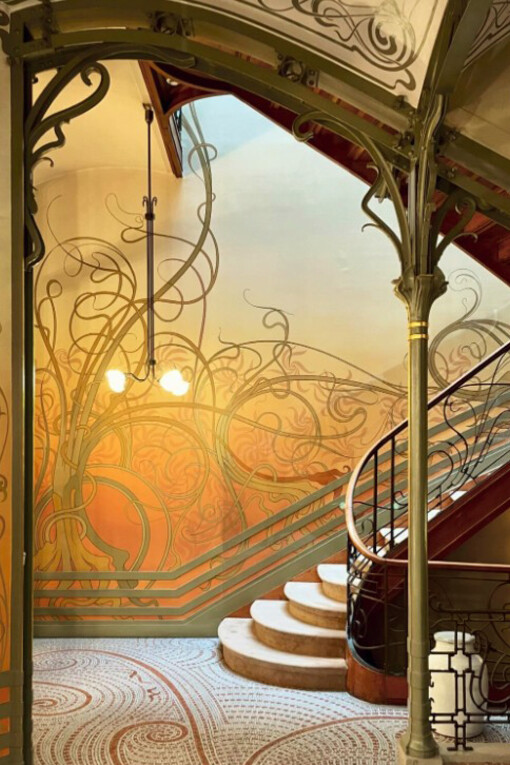
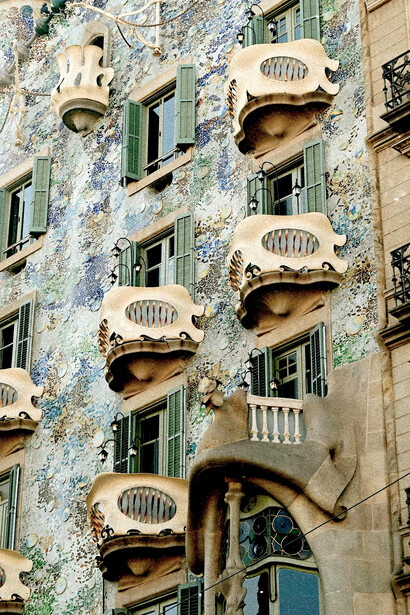
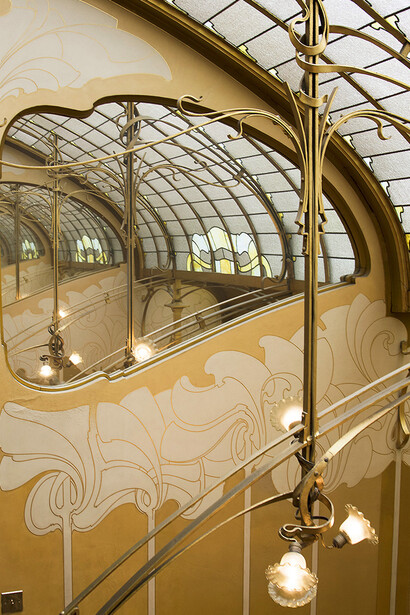
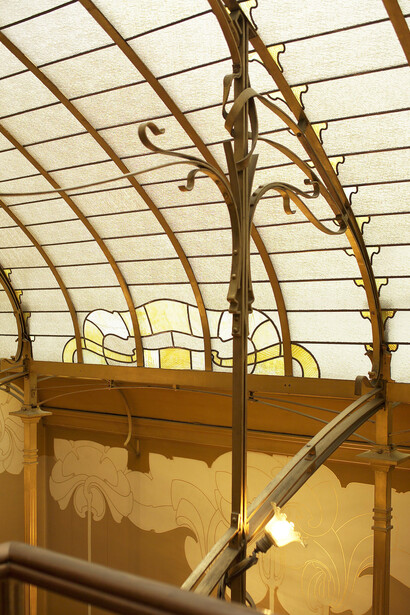
The defining feature of Art Nouveau furniture is its reliance on natural forms. Twisting plant stems, the delicate curve of seashells, and the rhythm of flowing water were translated into the language of design. Visionaries such as Victor Horta, Hector Guimard, and Antoni Gaudí extended this philosophy beyond architecture into interiors, treating furniture as both functional and sculptural.
Furniture from this period often appears as if it were sculpted from living wood. Straight lines yield to curves, sharp edges soften into fluid transitions, and surfaces embrace organic irregularities. Materials such as walnut, cherry, and mahogany were favored, their finishes enriched by carving, inlay, and varnishing techniques that transformed furniture into intricate visual statements.
Carving, Inlay, and the dance of light
Decorative techniques lie at the heart of Art Nouveau furniture, emphasizing craftsmanship and individuality.
Wood carving added texture and movement, often depicting flowers, vines, or animal motifs. These carvings were not merely ornamental—they became integral to the structure, infusing each piece with vitality.
Inlay, or marquetry, involved embedding materials such as brass, mother-of-pearl, ivory, or contrasting woods into the surface, creating layered textures and luminous effects. Tables and cabinets could become as intricate as paintings, with every motif positioned to balance form and function.
Lacquering and polishing were essential finishing techniques. Multi-layered varnishes enhanced the depth and warmth of the wood, allowing surfaces to react dynamically to light. The result was a tactile, luminous quality that mass-produced furniture rarely achieved.
Harmonizing glass, metal, and textiles
Art Nouveau was also defined by the seamless integration of materials. Designers did not confine themselves to wood; glass and metal became equally important.
Stained glass, popularized in interiors by Louis Comfort Tiffany, was used not only for windows but also for lampshades, cabinet panels, and decorative inserts, introducing playful light effects that animated entire rooms. Wrought iron details in chair legs, table bases, and railings added contrast, balancing the softness of organic lines with a sense of structure and durability. Wood and metal together created an unexpected harmony, turning each piece into a testament to craftsmanship and innovation.
Textiles completed the aesthetic. Linen, silk, and velvet were embroidered or printed with plant-inspired motifs. Soft greens, beiges, and muted pastels formed a natural palette that complemented the flowing lines of the furniture, creating a cohesive, immersive environment.
Reinterpreting Art Nouveau for modern spaces
Today, minimalism dominates interior design, prioritizing simplicity and function. Yet this restraint can sometimes render spaces impersonal and cold. Art Nouveau offers a valuable counterpoint: the integration of nature, craftsmanship, and artistry can enrich even the most contemporary interiors.
Modern interpretations of Art Nouveau can be subtle yet transformative:
Adding organic carved details to a linear console.
Incorporating curved, plant-inspired metalwork into table legs.
Balancing neutral interiors with botanical textiles in soft tones.
These approaches introduce warmth, history, and narrative depth while aligning with sustainable design values. Art Nouveau emphasized natural materials and handcrafting over mass production—an ethos that resonates deeply with today’s environmentally conscious design movement.
Cultural continuity and aesthetic balance
Art Nouveau furniture represents more than a stylistic period; it embodies cultural continuity and a dialogue between humans and nature. A console table or stained-glass lamp is not merely decorative—it maintains a connection to the past, encourages appreciation for materials, and enhances daily life through beauty.
The enduring appeal of Art Nouveau lies in its philosophy: design is not only about utility but also about emotion, experience, and harmony. Each piece celebrates the interplay between organic form, craftsmanship, and imagination.
Why Art Nouveau still matters
Even in modern interiors, Art Nouveau bridges history and innovation. Its techniques—carving, inlay, mixed materials, and refined finishes—remind us that furniture can be both functional and artistic. Its motifs weave stories into spaces, connecting inhabitants with nature and creative heritage.
In an age of mass production and digital fabrication, the value of handcrafted, nature-inspired furniture cannot be overstated. Art Nouveau’s emphasis on individuality, material honesty, and tactile engagement feels profoundly relevant today, offering inspiration for sustainable, meaningful design.
Conclusion
Art Nouveau furniture is a celebration of natural elegance, artistic skill, and emotional resonance. Carving, inlay, stained glass, metalwork, lacquer, and textiles converge to create objects that are both functional and expressive. By blending natural motifs with masterful craftsmanship, each piece becomes a narrative—a living testament to the beauty of life, form, and material.
Even in contemporary homes defined by minimalism, Art Nouveau can be reinterpreted to enrich spaces, reconnect us with nature, and honor traditional craft. Its legacy reminds us that design, at its best, is not just about creating objects—it’s about shaping environments that move, inspire, and endure.