English
 Español
 Français
 Deutsch
 Italiano
 Português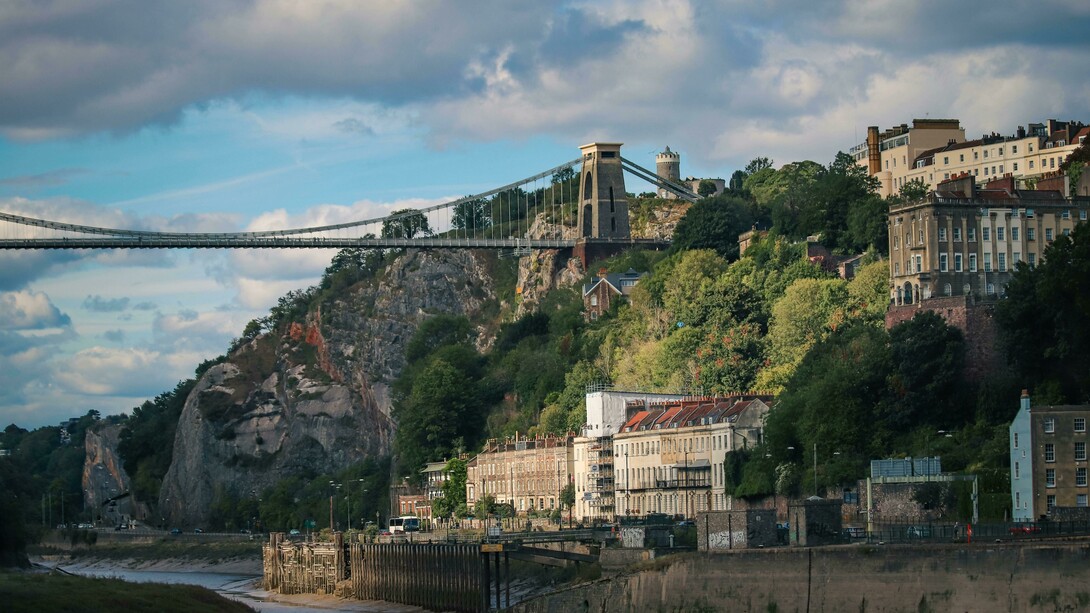
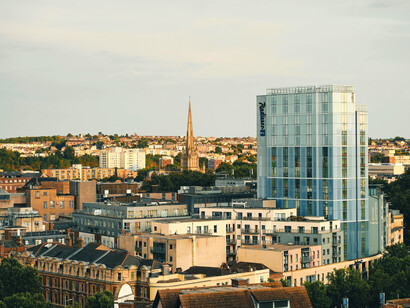
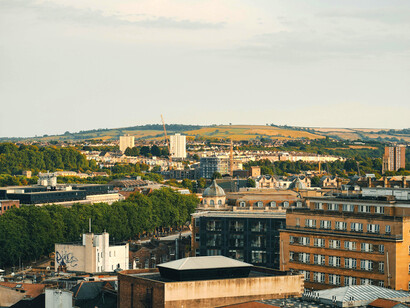
Few English cities blend old and new as seamlessly as Bristol, the vibrant capital of the West Country. Standing at the crossroads of history and modern creativity, Bristol thrives on contrasts—its medieval streets and Georgian squares coexist with vibrant street art, while its historic harbor buzzes with youthful energy. Visiting in summer, I found a city alive with festivals, music, and the hum of life along the waterfront. Even late into the evening, the sound of buskers and the chatter of riverside crowds seemed to pulse through the city like a heartbeat.
Arrival at the harborside
My journey began at the Harbourside, once the bustling heart of Bristol’s maritime trade. Tall ships and warehouses that once fueled the city’s prosperity now house cafés, museums, and galleries. Strolling along the quays, I watched kayakers glide across the water, their oars catching the sunlight, while families and students lounged on the steps of Millennium Square. The atmosphere was festive, as if the harbor had transformed from a place of labor into a stage for leisure.
I stepped into the M Shed, Bristol’s free museum dedicated to the city’s history, where exhibits trace everything from the transatlantic slave trade to the music scene that gave rise to trip-hop legends like Massive Attack. The candid way the museum addresses the city’s complex past gave me a deeper appreciation for Bristol—not just as a picturesque stop, but as a place that reckons with its identity. It reminded me that cities are never static; they are living organisms that absorb their histories and grow new layers of meaning with every generation.
Clifton suspension bridge: Brunel’s masterpiece
No visit to Bristol feels complete without gazing at the iconic Clifton Suspension Bridge. Designed by the engineering genius Isambard Kingdom Brunel, the bridge spans the Avon Gorge in breathtaking fashion. I made the climb to the Clifton Downs for the best view, the river glistening far below. Standing there, wind brushing my face, I understood why Brunel’s achievement is regarded as a symbol of Bristol itself: daring, innovative, and timeless.
Street art and Banksy’s shadow
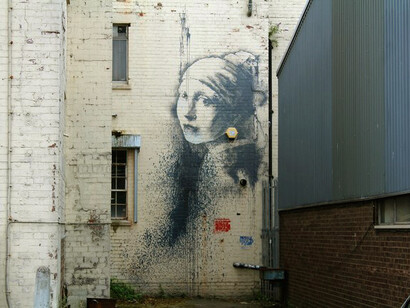
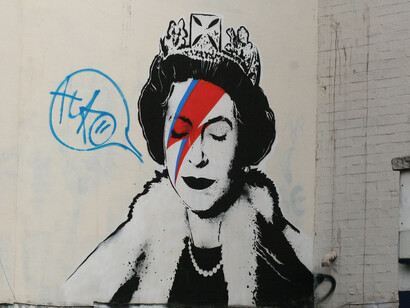
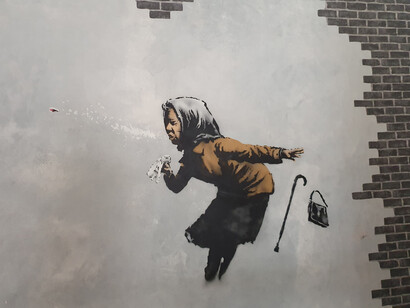
Bristol is also the birthplace of Banksy, and the city wears its street art proudly. In the neighborhood of Stokes Croft, every wall seemed alive with murals, slogans, and riotous color. Some works were playful, others deeply political, but all carried the pulse of a city that refuses to stay quiet. I paused at one of Banksy’s original works—subtle yet unmistakable—and thought of how Bristol’s streets have become an open-air gallery, art woven into the fabric of everyday life. Even outside the city center, I spotted hidden works in side streets, as if Bristol wanted to reward those willing to wander off the beaten path.
College green and Bristol Cathedral
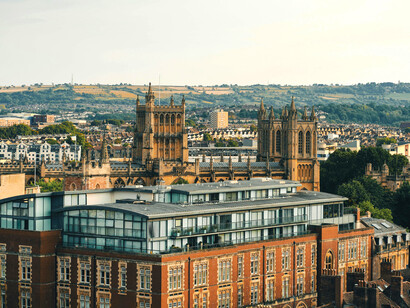
From the grit of street art, I wandered toward College Green, a tranquil park framed by elegant buildings. The Gothic towers of Bristol Cathedral rose ahead, their stonework softened by centuries of weather. Inside, the fan vaulting and long nave echoed with stillness, a contrast to the city’s vibrant streets. Sitting for a while in the cool quiet, I felt the calm balance that Bristol offers: the sacred alongside the radical, tradition beside reinvention.
A taste of Bristol: from markets to ales
No travel experience feels complete without food, and Bristol’s flavors were as varied as its neighborhoods. At St Nicholas Market, I wandered among stalls of global street food, artisan breads, and local cheeses. Later, I settled into a riverside pub and ordered a pint of Bristol-brewed ale, its malty warmth perfect against the summer evening air. The city felt like it had one foot in the past, with its cozy taverns, and another in the future, with its experimental eateries and breweries. Bristol’s culinary scene reflects its cosmopolitan energy, offering everything from Caribbean curries to vegan innovations, a mirror of the city’s diversity and openness.
The SS Great Britain: back to the sea
Before leaving, I visited the SS Great Britain, another Brunel masterpiece and the world’s first great ocean liner. Walking its restored decks, I imagined Victorian passengers staring out to sea, embarking on voyages that would take them across the world. The creak of timbers and the faint smell of tar seemed to whisper the stories of sailors and migrants who had passed through Bristol’s port. It was a reminder that this city has always looked outward, shaped by tides and trade, yet never losing its distinct character.
Closing reflections
As the sun set over the harbor, painting the water in amber and rose, I felt Bristol’s character most keenly. This is a city shaped by its river and its ships, by industry and innovation, but also reborn through art, creativity, and youthful spirit. Bristol is not polished like Bath, nor academic like Cambridge—it is raw, dynamic, and unapologetically itself. To walk its streets in summer is to witness a city in motion, always balancing between the weight of its history and the thrill of reinvention. And as I left, I knew Bristol was the kind of place that lingers with you, not as a postcard memory, but as a rhythm you carry forward.