English
 Español
 Français
 Deutsch
 Italiano
 Português
Growing well is not only about strong bodies and calm minds; it is also about a clear purpose, a generous spirit, and habits that keep us useful to others. This article brings those threads together. We begin with spirituality and reflection—simple, everyday practices that help you listen to your values, make sense of change, and find peace. From there, we look at why “getting old” is not the same as “becoming useless,” and how experience turns into guidance, support, and leadership. Finally, we offer practical ways to stay engaged—learning, mentoring, creating, moving, and giving back—so your later years feel active, connected, and meaningful.
You can read this piece on its own. Each chapter stands alone and offers clear steps you can try today. Use what fits your life, leave what does not, and return to the ideas as your needs evolve. The goal is simple: keep your curiosity bright, your relationships strong, and your contribution visible—so age becomes a source of depth, not a limit.
How to get spirituality and reflection
Cultivating spirituality and engaging in reflection are personal and often deeply meaningful practices. They can provide a sense of purpose, connection, and inner peace. Here are some ways to develop spirituality and incorporate reflection into your life.
Begin by exploring your beliefs and values. Spirituality can be linked to religion, but it can also be a broader sense of connection to something greater than yourself, whether it’s nature, the universe, or a higher power. Reflecting on what spirituality means to you personally is important. At the same time, identify your core values and beliefs. Understanding what matters most to you can guide your spiritual journey and help you live in alignment with your principles.
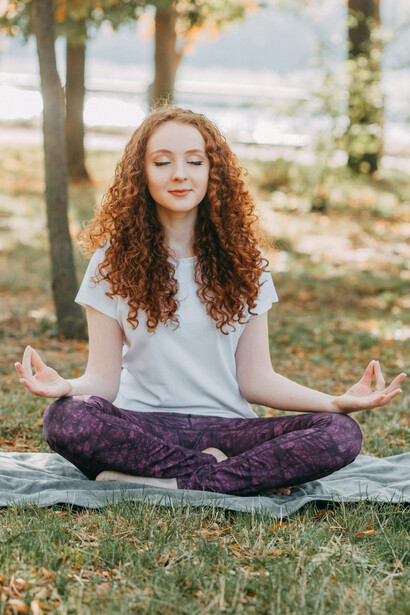
Meditation and mindfulness are powerful practices for inner growth. Regular meditation can help you connect with your inner self and foster a sense of peace and awareness. This can be as simple as breathing exercises or guided meditations with a spiritual focus. Mindfulness, on the other hand, is about staying present and aware in daily life, deepening your connection to the world around you and enhancing appreciation for life’s moments.
Prayer and contemplation also play a central role. If you are religious, prayer offers a way to connect with a higher power, seeking comfort, guidance, and understanding. Even if you are not religious, setting aside time for quiet contemplation can help you reflect on your life, your purpose, and your relationship with the world.
Spending time in nature is another path to spirituality. Many people feel a deep sense of connection outdoors—whether hiking, walking in a park, or sitting quietly in a natural setting. Practices such as gardening, forest bathing, or simply observing the natural world can enhance this connection.
Journaling provides a valuable tool for reflection. Spiritual journaling allows you to explore your thoughts, feelings, and spiritual experiences. Writing about your beliefs, challenges, and insights can lead to self-discovery. Gratitude journaling, where you regularly record the things you are thankful for, can shift your perspective and deepen your appreciation for life, making it a spiritual practice in itself.
Reading and study are also essential. Sacred texts such as the Bible, Quran, or Bhagavad Gita can provide insight and inspiration. For broader perspectives, books on spirituality, philosophy, or personal growth by authors like Thich Nhat Hanh, Eckhart Tolle, or Pema Chödrön can help deepen your spiritual understanding.
Community and rituals bring structure and support. Joining a spiritual community, whether religious, meditative, or discussion-based, creates a sense of belonging and shared experience. Creating personal rituals—such as lighting candles, setting intentions, or engaging in acts of service—can add meaning and rhythm to your practice.
Spirituality often grows stronger when expressed through service to others. Helping people in need fosters a sense of connection and purpose. Volunteering or simple acts of kindness become spiritual experiences in themselves. Compassion practices, where you reflect on the suffering of others and look for ways to ease it, deepen your spiritual path.
Reflection and self-inquiry help you grow further. Daily reflection—asking yourself what you learned today or how you lived according to your values—builds awareness. Deeper self-inquiry, such as asking “Who am I?” or “What is my purpose?” opens doors to profound spiritual insights.
Art and creativity can also be spiritual practices. Expressing yourself through painting, writing, music, or dance connects you to your inner self and the universe. Exploring or creating sacred art such as mandalas or iconography adds another layer of meaning.
Finally, silence and solitude provide the space for deeper reflection. Attending a spiritual retreat or creating your own quiet retreat at home offers time for inner growth. Even simple daily quiet moments, free from distraction, allow you to reconnect with yourself and your spiritual journey.
Spirituality and reflection are deeply personal, and there’s no one-size-fits-all approach. Explore different practices, discover what resonates with you, and allow your spiritual journey to evolve naturally over time.
Getting old and getting useless are two different things
Absolutely, getting old and getting useless are entirely different concepts. Aging is a natural part of life, but it doesn’t diminish your value, capabilities, or contributions. These two ideas should always be seen separately.
As people age, they gain wisdom. Experience and perspective accumulate over time and become invaluable to others. Many older adults take on roles as mentors, guiding younger generations with their experience. This is far from being “useless”; it is a crucial contribution to society.
Older adults also continue to contribute in many ways. Productivity does not stop with retirement. Many remain active in their careers, dedicate themselves to volunteer work, or pursue new passions and hobbies. Skills may change with age, but they do not disappear. Instead, older adults often adapt their skills to new contexts, whether through technology, creative projects, or community involvement.
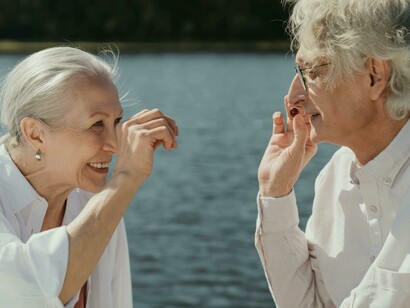
The emotional and social impact of older adults is equally important. They provide emotional support, wisdom, and stability to families and communities. Their presence is a source of strength for others. Staying socially active through community groups, clubs, or activities also keeps them influential and connected.
Personal growth and fulfillment continue well into later years. Many people learn new skills, take up hobbies, or pursue education. Engaging in activities that bring joy—such as travel, gardening, art, or spending time with loved ones—adds purpose and meaning at every age.
Society, too, is learning to challenge stereotypes about aging. The myth that old age equals uselessness is being replaced by the recognition of older adults’ continued contributions. The concept of positive aging highlights opportunities, strengths, and resilience rather than focusing on decline.
Health and vitality also play a role. Thanks to advances in medicine, nutrition, and wellness, many older adults are living longer, healthier lives. By staying active physically and mentally, they maintain vitality and adapt to changes, finding new ways to thrive.
Finally, aging allows people to focus on legacy and impact. Many think about what they want to leave behind—through their work, relationships, or contributions to society. Older adults also serve as keepers of cultural and family history, preserving traditions, stories, and values that enrich future generations.
Getting older doesn’t mean losing value; it means finding new ways to contribute and discover meaning. Aging is a time of growth, learning, and influence, far removed from the notion of being “useless.”
Be old but don’t be useless
“Be old, but don’t be useless” is a powerful reminder that aging doesn’t mean losing your purpose or value. It is about embracing the later stages of life with a mindset that prioritizes contribution, engagement, and continual growth.
One way to live by this principle is to keep learning. Staying curious, exploring new ideas, and learning new skills keeps the mind sharp and relevant. This can be done by taking courses, joining workshops, or simply pursuing personal interests.
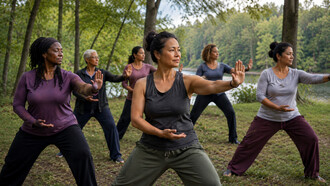
Staying physically active is equally essential. Exercise tailored to your abilities—walking, swimming, yoga, or strength training—supports both body and mind. Practices like tai chi, yoga, or meditation combine physical health with inner calm and well-being.
Contribution to the community is another way to stay engaged. Volunteering time and skills to causes you care about is rewarding and impactful. Mentoring younger generations allows you to share your experience and knowledge, supporting others in their growth.
Maintaining social connections is vital for emotional well-being. Staying in touch with family and friends, or joining clubs and interest groups, prevents isolation and fosters belonging.
Embracing technology can also enrich later life. Learning new tools helps you stay connected with the wider world and opens new opportunities, from online learning to virtual communities.
Pursuing passions and hobbies adds joy and meaning. Whether gardening, painting, writing, or traveling, dedicating time to your interests makes life fulfilling. Creative or productive activities, such as cooking or woodworking, provide tangible results that bring satisfaction.
Adaptability is crucial in facing change. Accepting that aging brings challenges, and finding new ways to continue what you love, fosters resilience. Overcoming difficulties with a positive outlook helps you stay capable and strong.
Focusing on purpose and meaning provides ongoing motivation. Reflecting on what gives your life significance and pursuing spiritual growth—through meditation, prayer, or study—can offer deep fulfillment.
Giving back is another powerful way to stay useful. Sharing your legacy through storytelling, teaching, or acts of kindness ensures that your impact continues. Engaging in charitable activities or simply supporting others provides a sense of purpose.
Finally, maintaining a positive attitude keeps life vibrant. Staying optimistic, focusing on what you can do, and practicing gratitude enrich daily life. Humor and joy also play an important role; laughter and enjoying simple pleasures are vital at any age.
By adopting these principles, you can age with dignity, purpose, and continued usefulness, making your later years as rich and fulfilling as possible.