English
 Español
 Français
 Deutsch
 Italiano
 Português
In a world that worships productivity, choosing rest feels almost rebellious—but it may be the most powerful choice we can make.
We live in a time where people are constantly “on.”
Notifications, deadlines, and expectations follow us everywhere—even into what should be sacred spaces of quiet. We check emails in bed, brainstorm in traffic, and feel guilty for simply pausing. Somewhere along the line, being still became suspicious. But maybe, just maybe, slowing down isn’t weakness—it's wisdom.
The quiet creep of exhaustion
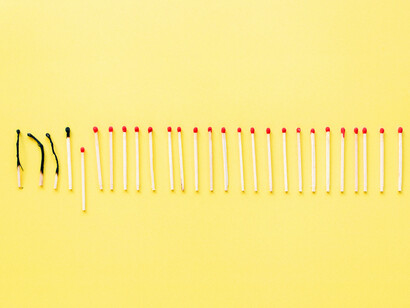
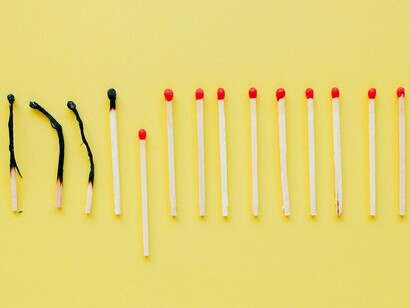
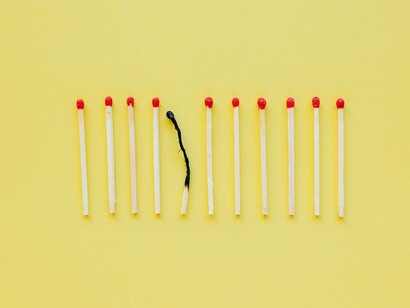
Not all burnouts roar. Some slip in quietly, behind polite smiles and perfectly managed to-do lists. They don’t stop you in your tracks with drama; instead, they chip away at you slowly, until rest feels like a forgotten language.
We live in a world where people wear exhaustion like a badge of honour. “I’m so busy” has become the new “I’m doing great,” and somewhere along the way, burnout stopped being a warning sign and became a lifestyle. It’s almost as if society collectively decided that collapsing at the end of the day is proof that you’re important.
But here’s the truth no one likes to admit: burnout is silently eating us alive. It shows up in tired eyes, short tempers, restless nights, and that deep sense of being drained, even when you technically had eight hours of sleep.
The scary part? Many people no longer know how to not be busy. Stillness feels uncomfortable, almost foreign, because we’ve been trained to equate rest with laziness. So, we stay in motion not because we’re fulfilled, but because stopping would force us to face the emptiness beneath the hustle.
The culture of busyness
We glorify being busy because it makes us feel valuable. Productivity gets mistaken for purpose, and hustle gets sold as success. Social media cheers for the 5 am club, “rise and grind” mantras, and those who proudly declare, “I haven’t had a day off in months.”
But here’s the catch: busyness isn’t the same as impact. Sometimes, it’s just noise—a distraction from facing ourselves. We stack our calendars with back-to-back commitments, not realizing that we’re slowly trading joy for the illusion of importance.
The burnout epidemic has become so normalized that people brag about their exhaustion. We live in an economy that rewards output, not a well-being system where slowing down feels like falling behind. And that’s the lie that keeps many people running: that our worth is tied to our productivity.
Yet what if we measured success differently? Not by how much we produce, but by how fully we live? Imagine a culture that celebrates peace of mind as much as profit margins—where people are proud of balanced lives, not burnout stories.
The hidden cost of burnout
Burnout rarely announces itself with flashing red lights. It sneaks in quietly. At first, you’re just a little more tired than usual. Then you start snapping at people you love. Before you know it, even the things you used to enjoy feel like chores.
The cost is steep:
Strained relationships.
Compromised mental health.
Physical symptoms that range from insomnia to migraines to chronic fatigue.
And yet, we push through. We convince ourselves that skipping rest will somehow earn us more time. Spoiler alert: it doesn’t. It just leaves us too drained to enjoy the time we already have.
Unchecked exhaustion dulls creativity, erodes compassion, and numbs joy. It turns life into survival. The tragedy is that we normalize it until something—a breakdown, a diagnosis, a sudden loss—forces us to stop. But rest, chosen intentionally, can prevent the collapse we keep trying to outrun.
Rest as resistance
Here’s where it gets radical: choosing rest in a culture that idolizes productivity is an act of resistance. It’s looking at a system that profits off your exhaustion and saying, “No, I’m not a machine.”
Rest is not laziness. Rest is wisdom. Rest is self-respect. And sometimes, rest is rebellion. Because when we reclaim rest, we start to heal from cycles of overwork that were never sustainable in the first place.
Even Scripture points us back to this truth: “And on the seventh day, God rested. “If the Creator of the universe paused to reflect and delight in His creation, perhaps we should too. Rest isn’t just a break from purpose—it's part of it.
When you rest, you remember that your identity is not defined by output but by being. You make space for reflection, creativity, and gratitude—things that can’t thrive in constant motion.
Practical ways to rest (without feeling guilty)
Rest doesn’t have to mean expensive spa trips or Instagram-worthy retreats. Sometimes, it’s the simple things that bring us back to life.
Unplug. Take a few hours off social media. The world won’t burn down if you miss an update.
Boundaries. Learn to say no—not because you’re rude, but because you value your peace.
Sleep on Purpose. Treat your bedtime like a sacred appointment, not an optional luxury.
Mini-Sabbaths. A slow morning, a walk in nature, or even a quiet cup of tea can reset your spirit.
Play. Do something fun, silly, or creative—not for productivity, just for joy.
Also, rest doesn’t always mean doing nothing. For some, rest might be painting, reading, or gardening—activities that refill instead of draining. The goal is not just to stop working but to start being again.
The takeaway
Burnout is not a badge of honour. It’s a red flag. And in a noisy, demanding world, the most radical thing you can do is rest.
Rest sharpens your mind, softens your heart, and reminds you that your worth is not measured by your output. It is not a weakness to pause—it is a strength to know when to.
So maybe the bravest sentence we can learn to say is this: “I’m resting—and I don’t feel guilty about it.”
Because perhaps rest is not only radical—it’s sacred. A reminder that even in a restless world, our souls are allowed to breathe.