English
 Español
 Français
 Deutsch
 Italiano
 Português
The concept of sustainability has been a focal point of global discourse for over half a century. Its origins trace back to the 1970s, when the international community recognized the world's heavy dependence on fossil fuels and began seeking alternative energy sources.
This realization ignited a broad movement that extended beyond energy, permeating various sectors such as culture, society, and economics. By highlighting the diverse needs and limitations across industries and organizations, sustainability has grown into a multifaceted field of research, especially intensifying over the past two decades.
Today, the pressing questions are: How significantly has this approach impacted our world? Is it worth the cost we are incurring? And will it be sufficient to address the challenges we face in time?
Different aspects of sustainability
Sustainability is not a novel concept but rather a contemporary perspective on longstanding issues, such as environmental, social, political, or psychological ones. Throughout history, various societies have utilized their available resources and environments to their best advantage. For instance, in the Middle East and other hot, humid regions, communities relied on the soil for energy extraction and natural defense against harsh conditions. Conversely, in more temperate and humid areas such as East Asia and Europe, societies leveraged their abundant forests to harmonize with their surroundings.
Following the Industrial Revolution, particularly throughout the 20th century, advancements in health, economy, and lifestyles marked the beginning of modern social and political concerns related to sustainability. These developments introduced new challenges and complexities that continue to shape contemporary discourse.
To illustrate these issues, let's consider Iran as an example. In 1918, the country’s population was approximately 10 million. Today, after about a century, that number has surged to around 80 million. An increase that exceeds the capacity of existing social and economic infrastructures.
In this discussion, we will primarily focus on the construction sector, drawing from the author's expertise. The insights gained here can be extrapolated to other social and professional domains to better understand the broader implications of sustainability.
Sustainability and architecture
Building waste is considered one of the primary sources of environmental pollution. This waste arises from various stages of the construction process, including material extraction, production, site excavation, demolition, construction activities, and the post-occupancy use of buildings and their surroundings. It is estimated that these processes contribute to approximately 40% of global environmental waste. Consequently, it is essential to develop and implement strategies that effectively control and reduce waste at every stage.
Since the beginning of the 21st century, sustainability in architecture has become a central focus of research. The field encompasses several key areas, including renewable energy, waste management, energy conservation, sustainable materials, living materials, policy development, resource management, crisis response, and aquaculture management, among others.
Due to the broadness of these topics, it is not feasible to address all in a single article. Instead, this discussion will concentrate on one of the most prominent aspects of sustainable design: renewable energy.
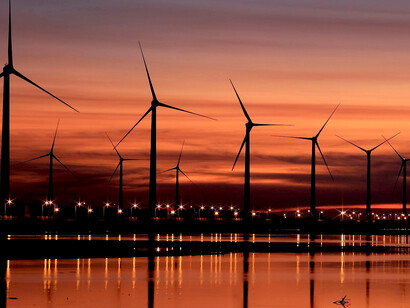
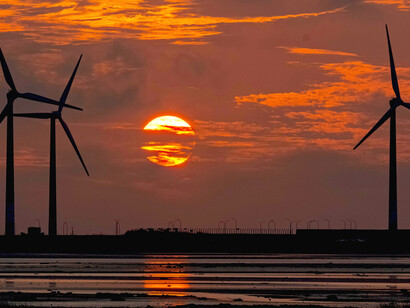
Renewable energy initiatives have become a priority for many researchers and organizations. The primary goal is to harness natural resources to meet our energy needs while reducing dependence on fossil fuels. Various approaches have been proposed, such as solar power plants, wind turbines, geothermal energy, biofuels, and more.
However, many of these methods have yet to achieve their full potential due to several challenges. These include high production costs, environmental impacts, low efficiency, and inadequate policy support. For example, large-scale wind turbines can generate air pollution affecting local ecosystems, and establishing efficient solar power plants often requires extensive land areas—resources that are limited or environmentally sensitive in many countries.
Due to these obstacles, coupled with the low cost and widespread availability of fossil fuels, many nations have been hesitant to invest heavily in renewable energy. As a result, even the most environmentally progressive countries derive less than 10% of their energy from renewable sources.
Conclusion
The issue of environmental pollution has been recognized for decades, and its effects are visibly evident. For example, nearly 10% of China's land area is now uninhabitable due to extensive coal mining. Additionally, it is estimated that by 2050, there will be more plastic in the oceans than marine life, as less than 9% of global waste is currently recycled.
This raises a pressing question: Is sustainability a hoax? Can it truly influence our lives significantly and prevent a global catastrophe? The straightforward answer is no. Sustainability is arguably our best chance to avoid environmental destruction. However, due to limited funding and slow progress in research, by the time we reach a point of no return, it may already be too late.
A critical factor to consider is that environmental issues are inherently global. If policies are implemented by a small group of countries but the majority evade the problem, the overall outcome will remain unchanged. Inaction by some nations can undermine global efforts.
Given the vast scope of sustainability and the substantial research and development it demands, its importance is undeniable. Currently, we stand on the brink of significant environmental change that has been unfolding since the early 21st century and is expected to escalate dramatically in the coming decades.