English
 Español
 Français
 Deutsch
 Italiano
 Português
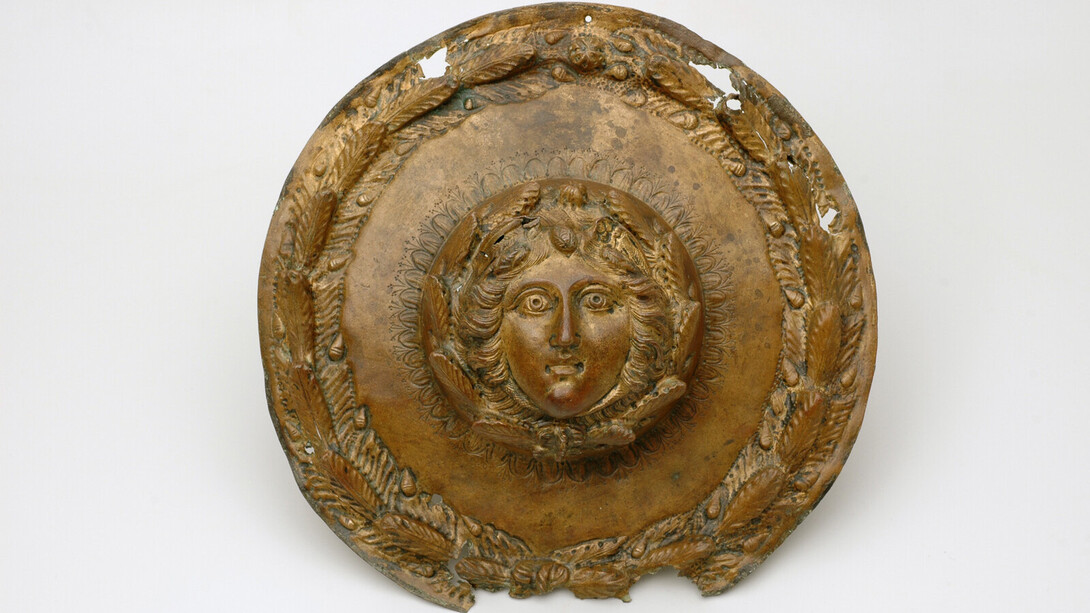
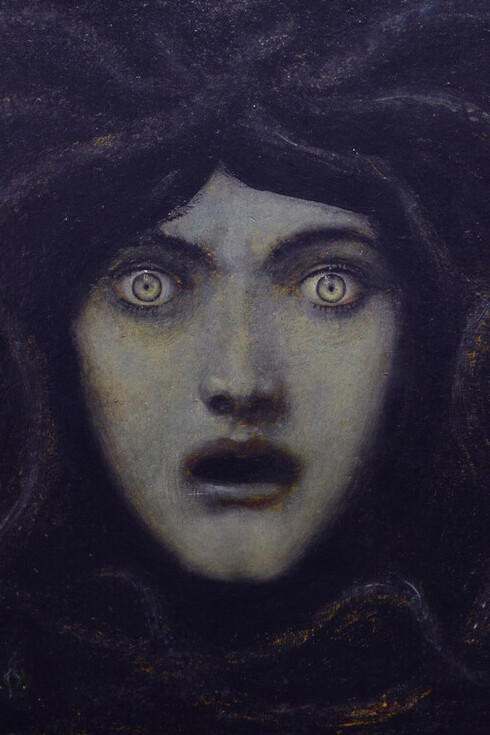
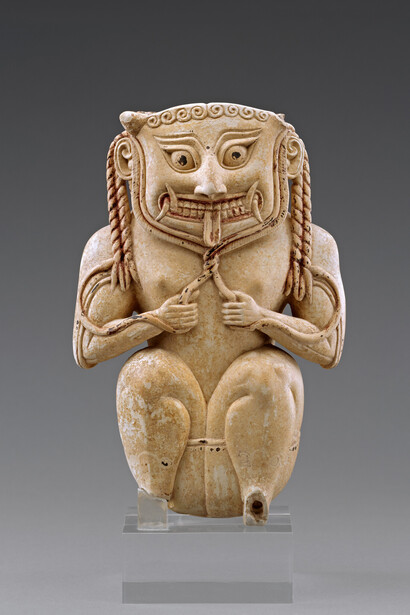
A terrifying monster and a seductive nymph. A vulnerable victim and an activist hero. Even a powerful final boss in video games. Medusa is all of these things. It simply depends on who is telling the story. In Medusa, we explore how a 3,000-year-old myth is continually rewritten, and how those retellings shape the way we see the world. Who is Medusa to you? A monster, victim or hero?
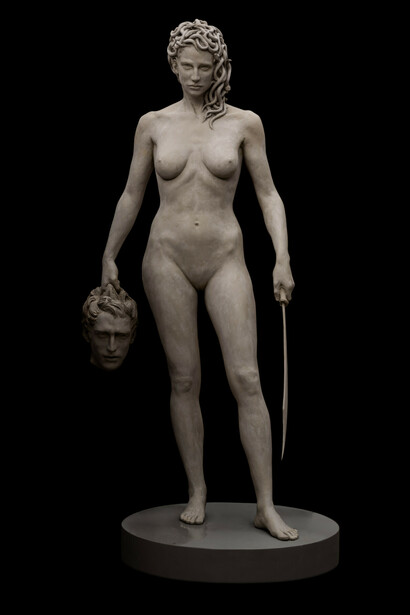
In the best-known version of the Medusa myth, the Greek goddess Athena transforms her into a monster with snakes for hair and a supernatural power: anyone who looks Medusa in the eyes is turned to stone. It is a punishment for Medusa’s rape by Poseidon. Her fate becomes little more than a subplot in the heroic tale of the demigod Perseus, who beheads the monster through cunning.
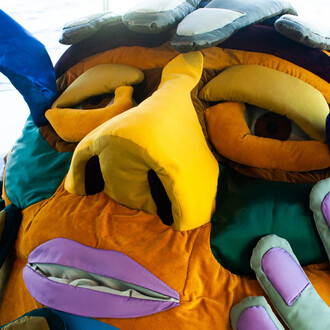
For centuries, Medusa has inspired writers, artists, fashion designers and musicians. From Versace to Rihanna, and from Goethe to Iris van Herpen. Over time, her role shifts from monster and nymph to victim and hero. She becomes an icon of the women’s movement, anti-colonial resistance and ecological activism. In doing so, she offers a guide to new ways of living together.
The myth of Medusa is always changing, and you are part of that process. What stays with you, and what stories do you pass on? What stories can or should Medusa tell us about the world today? Throughout the exhibition, Valkhof Museum presents a wide-ranging programme in which art, popular culture, history, science and activism come together in debates, performances, workshops and other events. Let Medusa challenge, inspire and provoke new ways of thinking. After all, meanings are never fixed; they emerge through conversation.