English
 Español
 Français
 Deutsch
 Italiano
 Português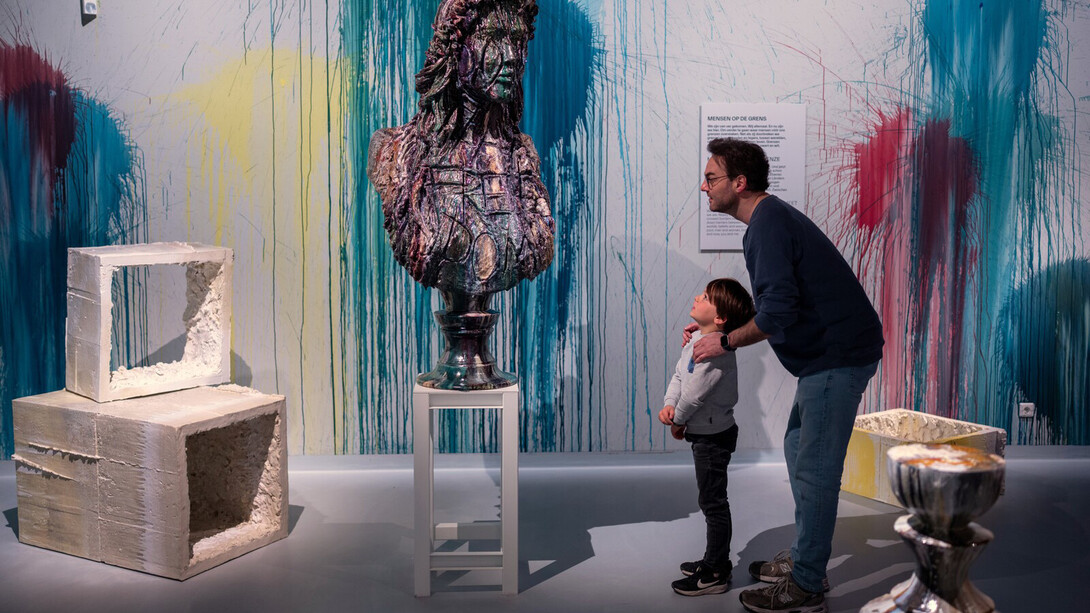
For centuries, people have gathered where Nijmegen now stands. From Roman soldiers to powerful emperors and wealthy merchants. And people with less money or power. Over time, boundaries have been pushed and broken here. Not only between countries and armies, but also between worlds, ideas and ways of life. In People on the Border, we make those boundaries visible. Because what happened in the past shapes who we are today.
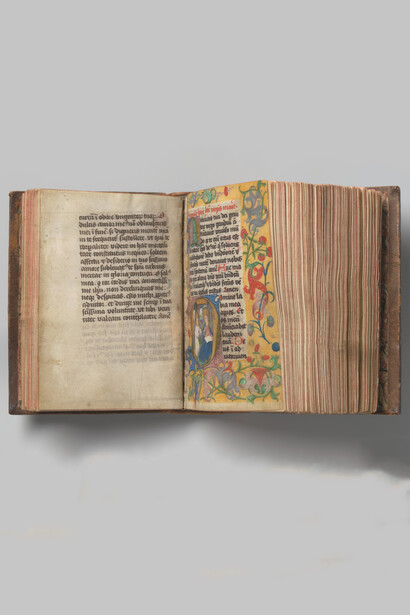
A hill offers a view and a vantage point; a river forms a natural boundary. This is also true of Nijmegen and its surroundings, where people’s paths have been crossing around the hill and river for over 40,000 years. As a result, different eras, people, cultures and ideas have become intertwined here. The first people travelled great distances to reach this place. Later, soldiers arrived from all corners of the Roman Empire to guard their northern border. And in the Middle Ages, Nijmegen grew into a bustling hub for trade, politics, religion and art. In Where people meet, you can see what has shaped Nijmegen into what it is today – and what has shaped us into who we are today.
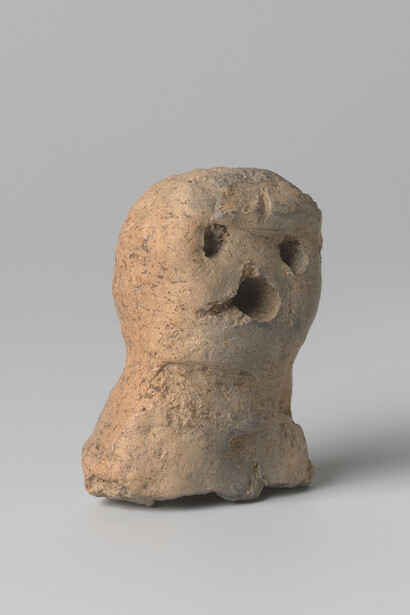
Here, borders are drawn, defended, pushed back and breached. We travel, settle down or move on. We occupy land, drive out local inhabitants and build border posts. But we also resist oppressors and social inequality. In Where people meet, you will see objects and stories that have changed our view of the past. They show how the boundaries of humanity have been pushed back a little further each time. We build bridges from the present to the past, and from the past to the present. In doing so, we connect ourselves with others, both then and now.