English
 Español
 Français
 Deutsch
 Italiano
 Português
Three site-specific projects for the fifth edition of the Prize, bringing Maxxi and Fondazione Bvlgari together to support artistic talent.
For the first time this year, the trio – composed of artists born between the 1980s and 1990s – is entirely female: Chiara Bersani, Adji Dieye and Margherita Moscardini. At the end of the project, the winner will be announced, and their work, created specifically for the Prize, will become part of the Museum’s Collection.
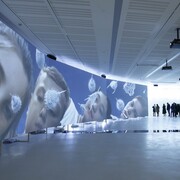
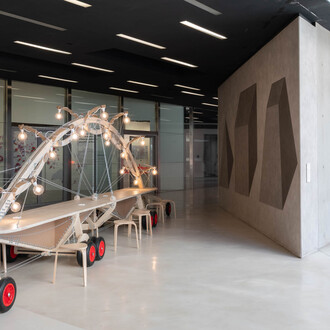
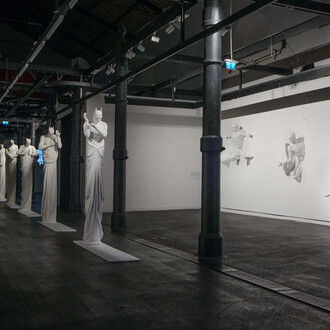
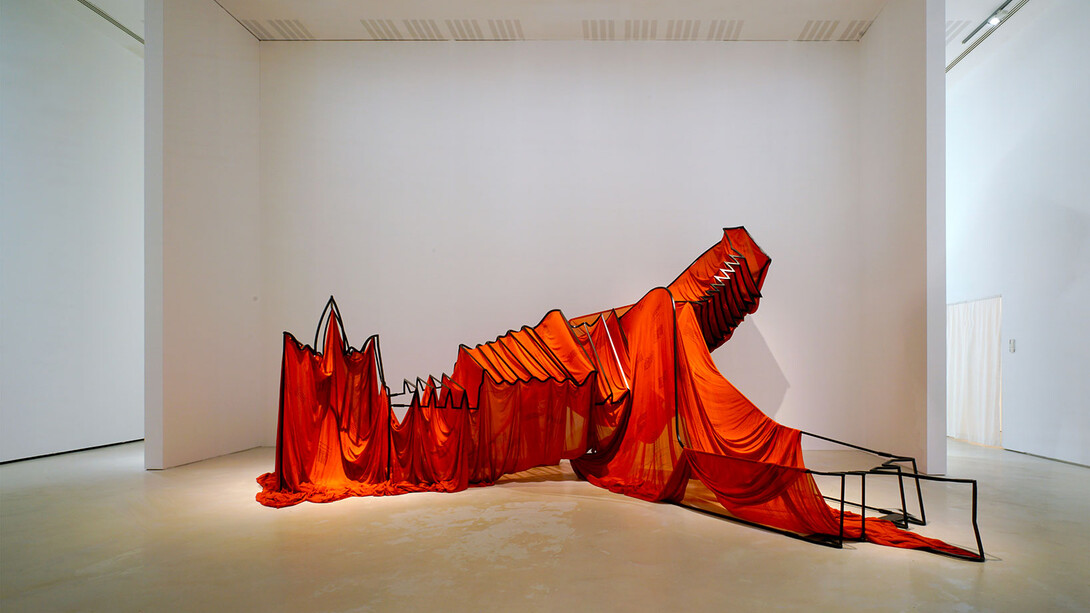
The exhibition opens with Adji Dieye’s large-scale installation Una resa senza caduta, a structure of iron tubing wrapped in sheer rayon fabric. The installation recreates, upside down and precariously balanced, the outline of the tower of the French West Africa pavilion at the 1931 Paris International Colonial Exhibition, an architectural structure designed to offer European audiences an image of Africa tailored to the empire. By inverting a building conceived to showcase the colonies, Dieye reveals how the images established at that time continue to shape the way we see today.
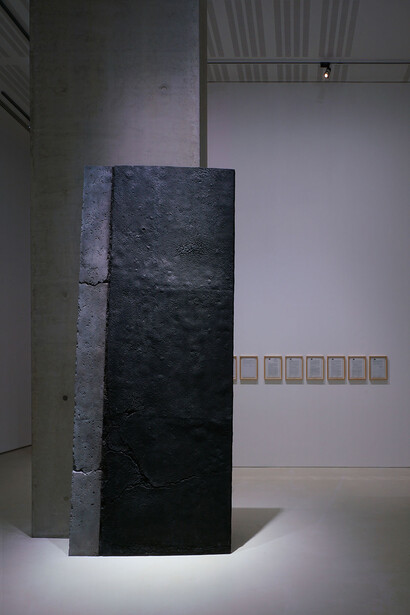
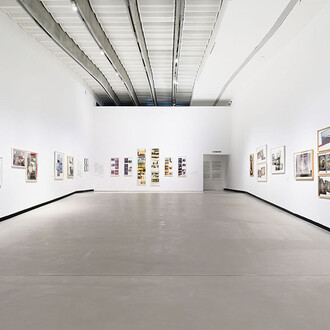
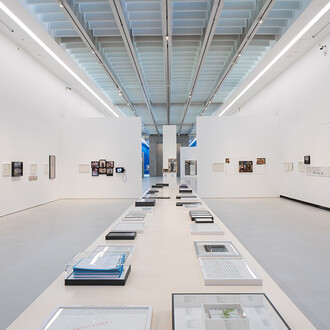
With Una strada, Margherita Moscardini brings sculpture and law together. A bronze sculpture reproduces a section of the pavement on Via Guido Reni, the street on which Maxxi stands, and is displayed vertically alongside its rubber and plaster mould. The project draws on a category of Roman law described in Justinian’s Institutes: res nullius in bonis, things that form part of no one’s patrimony. Together with philosopher Michele Spanò and legal scholars Alessandra Donati and Francesco Follieri, the artist has developed a proposed amendment to Italy’s Code of Cultural Heritage and Landscape that would establish assets that cannot be appropriated or alienated and are intended for collective use. The work would serve as a test case: if it wins the Prize, the sculpture is intended to replace the original paving. Beginning with a work of art, this reflection on the common good thus extends to civic life as a whole.
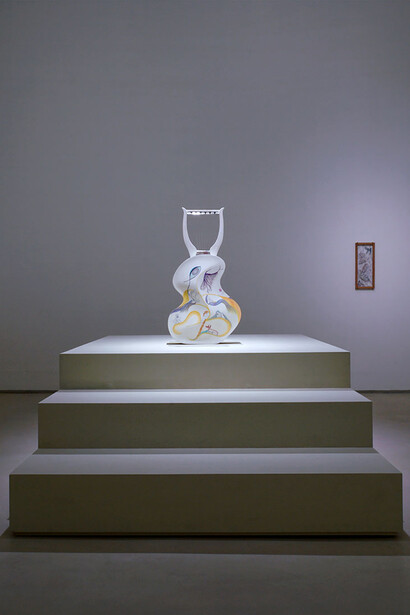
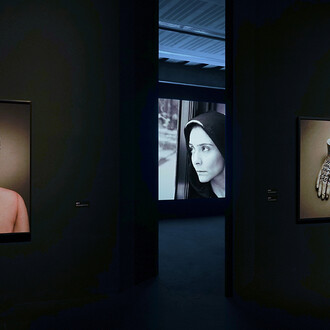
In the adjoining gallery, Blanche. Si fece un giaciglio nel mio udito by Chiara Bersani is a small wooden box covered in stucco and plaster, joined to a playable lyre. Its starting point is an Egyptian mummy held at the British Museum that shows signs of osteogenesis imperfecta, the same condition with which the artist lives. Bersani transforms this into a sarcophagus and a ritual, periodically activating the work through her voice and the lyre, with a song offered as a gift to all those living bodies that go unrecognised in civil society.