English
 Español
 Français
 Deutsch
 Italiano
 Português
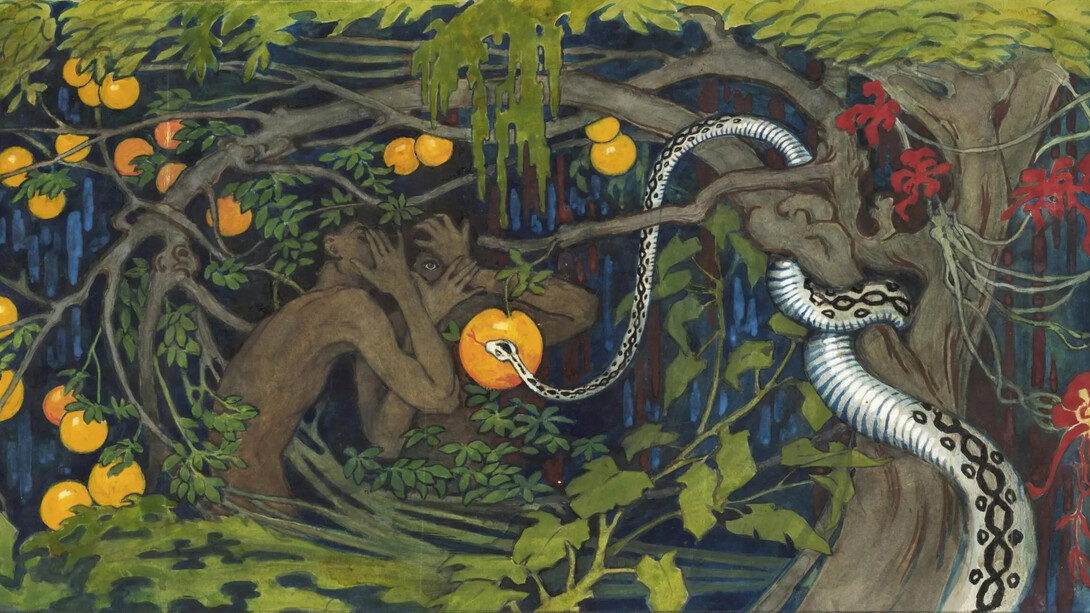
The exhibition examines the work of women artists from the Northern region and its connections to spirituality, nature and invisible realms from the 19th century to the present day. The exhibition is linked to phenomena that also feature prominently in contemporary popular culture.
Art and alternative spiritual currents
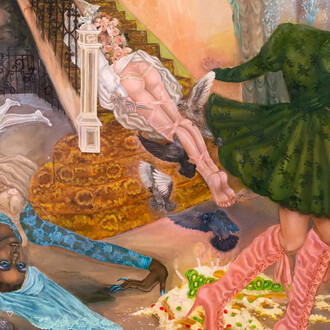
The exhibition is the first showcase of the work of Northern women artists who have been influenced by alternative spiritual currents. The exhibition is groundbreaking, as the profound connection between modern art and esotericism, occultism and magic has previously been explored mainly through famous men artists.
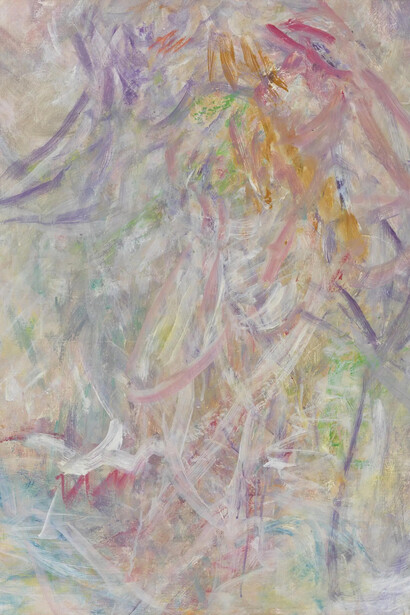
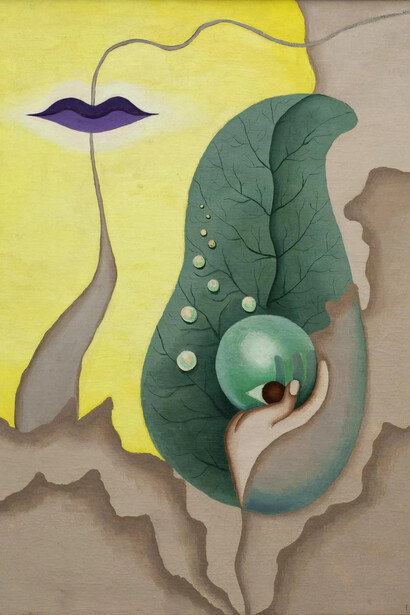
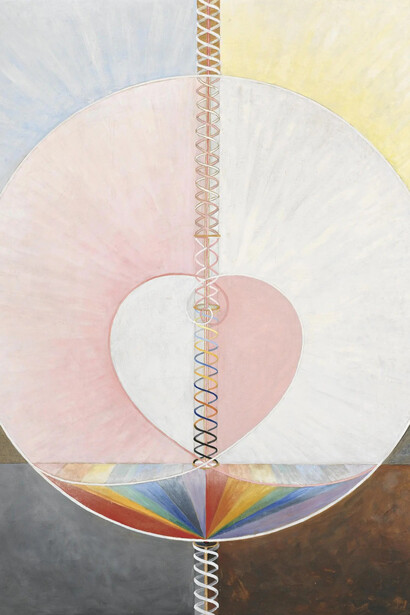
The exhibition features both well-known and overlooked artists from the 19th century to the present day, including Anna-Eva Bergman, Anna Cassel, Ilona Harima, Sonja Ferlov Mancoba, Maja Fjaestad, Hilma af Klint, Iria Leino, Outi Pieski, Laila Pullinen, Elga Sesemann and Ellen Thesleff.
The exhibition features approximately 50 women artists from the Northern region, including Finland, Sweden, Iceland and Sápmi. In the exhibition, the North is presented as a cross-border entity, shaped by its own geography and imagery, that transcends the nation state.
Arcana borealis highlights how esotericism, occultism and other alternative spiritual currents have become part of the artistic expression and everyday life of the artists. The key themes of the exhibition include the relationship between spirit and matter, questions related to life after death and the existence of the spirit world, and the aim to live in harmony with nature.
The exhibition is curated by Nina Kokkinen, a researcher of art and religion (University of Turku), and Marja Lahelma, chief curator at the Ateneum.
Artistic creation and diversity of materials play a key role
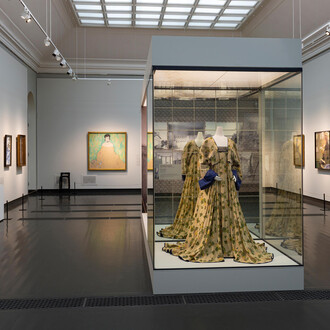
The range of materials featured in the exhibition is exceptionally wide, including textiles, ceramics, metal engravings, and traditional media from sacral art, such as stained glass and mosaics. Arcana Borealis blurs the boundaries between art and handicraft. For example Åsa Elzén’s (b. 1972) work Transcript of a fallow (2019) combines handicraft, women’s history and communal creation of art and is made of recycled textiles.
Handicraft involves matrilineal transmission of tradition, that is, passing down knowledge and skills from one woman to the next. Sámi duodji, the traditional Sámi craft tradition, brings together spirituality, the tacit knowledge passed on from one generation to another, and values related to nature.
A research-based exhibition catalogue
The exhibition is based on the multi-year international research project Northern women, art and esotericism. The team of the research project consisted of Research Doctor Nina Kokkinen (University of Turku), as well as Chief Curator Marja Lahelma, Chief Curator Anu Utriainen and Museum Director Anna-Maria von Bonsdorff (Ateneum Art Museum).
The exhibition catalogue is written by an international group of researchers and experts, each contributing extensive and current knowledge. The richly illustrated and visually striking catalogue provides newly researched information on the meaning of esotericism and alternative spirituality in modern and postmodern art.
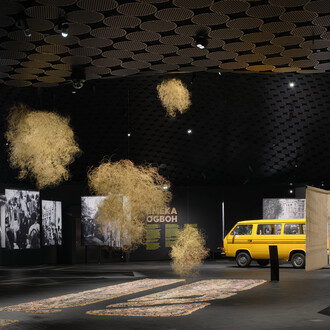
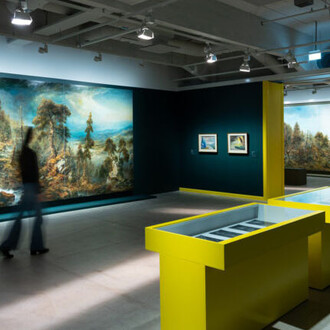
The exhibition galleries are dimly lit
The exhibition features a large number of works in textile and on paper, which are sensitive to light. Sufficiently dim lighting is especially important for preserving these works. If you wish, you can borrow a magnifying glass from the information desk (1st floor).