English
 Español
 Français
 Deutsch
 Italiano
 Português
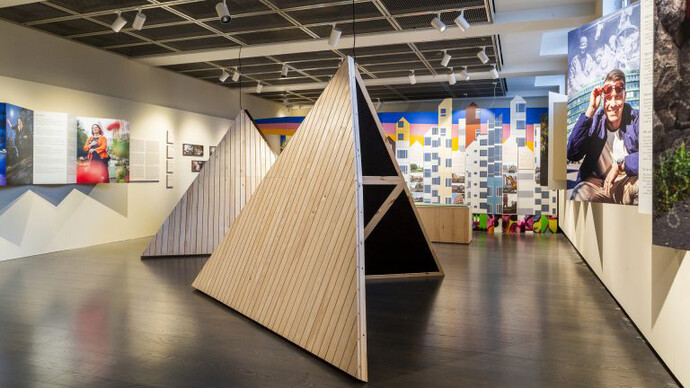
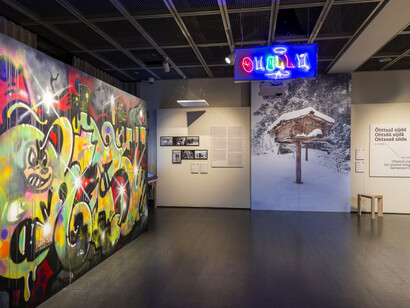
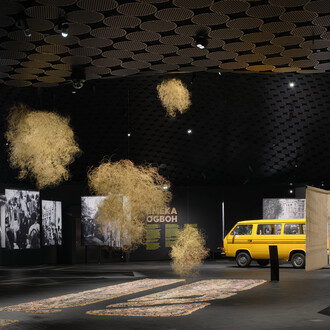
The exhibition explores personal experiences of the Sámi in contemporary Helsinki – our shared village.
The life of the Sámi in Helsinki is diverse and multilingual, ever-changing and living in time. It is everyday life, work and study, and sometimes celebration. It is childhood, adolescence, adulthood and ageing. Travelling between the south and the north. It is concern for the preservation of Sámi languages and cultures, stress about the future and the next generations. The need to learn, maintain and influence. It can also be an escape from Sámi roots, a desire to blend in or hide among the masses of the city.
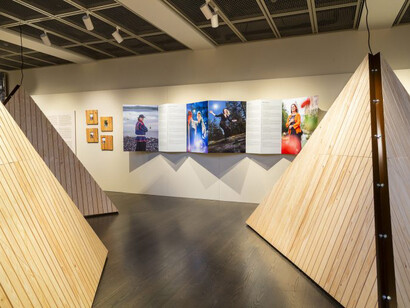
The materials in the exhibition have been produced, selected and exhibited by Sámi people living in Helsinki. The curatorial team consists of Aimo Aikio, Laura Feodoroff, Helmi Hagelin and Mari Gauriloff. The exhibition explores personal experiences of the Sámi in contemporary Helsinki – our shared village. The exhibition’s designers, architect Eveliina Sarapää and graphic designer Lotta Hagelin, are also Sámi.
The exhibition grew out of a documentation project in which Sámi people themselves determined what should be preserved as part of the city’s collective memory. The project highlighted themes such as connections to multiple places, passing Sámi languages and culture on to future generations and preserving them, as well as the importance of taking action in wider society to advance these issues.
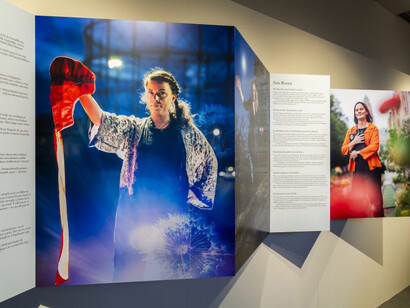
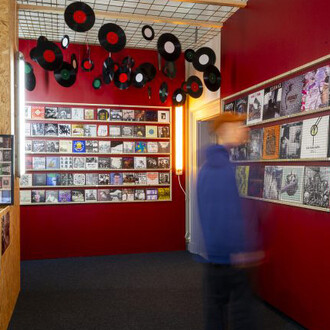
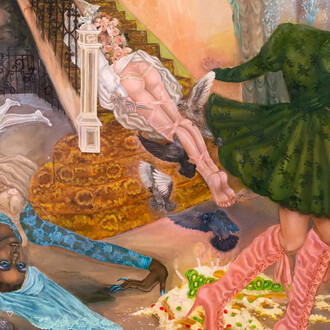
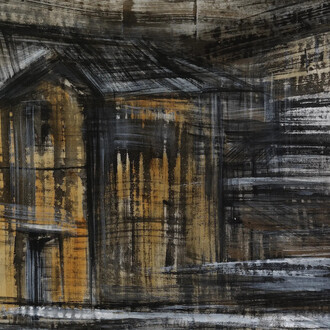
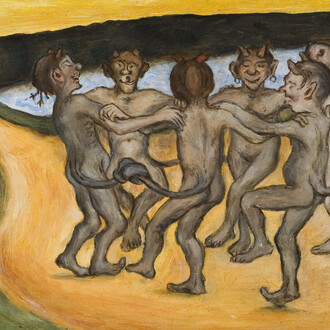
The exhibition also explores urban Sámi identity, as well as the history of the Sámi in the Helsinki region. Portraits by photographer Marja Helander reflect the diversity of Helsinki’s Sámi community. The exhibition also features works by Jouni S. Laiti and Sámi Hustler, among others. You can hear Darja Jefremoff‘s leu’dd The journey from Lapland to Helsinki in the lift that takes you to the exhibition and the leu’dd In a city near the exhibition entrance.
Helsinki City Museum acknowledges the historical existence of the Sámi people in the territory of present-day Finland and pays tribute to past, present and future generations of the Sámi.