English
 Español
 Français
 Deutsch
 Italiano
 Português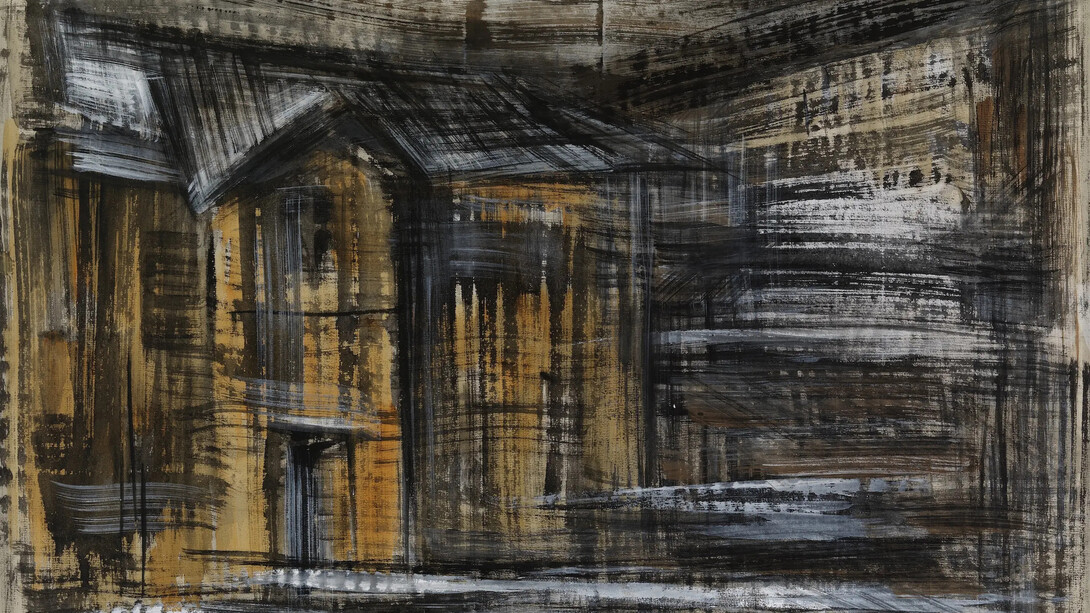
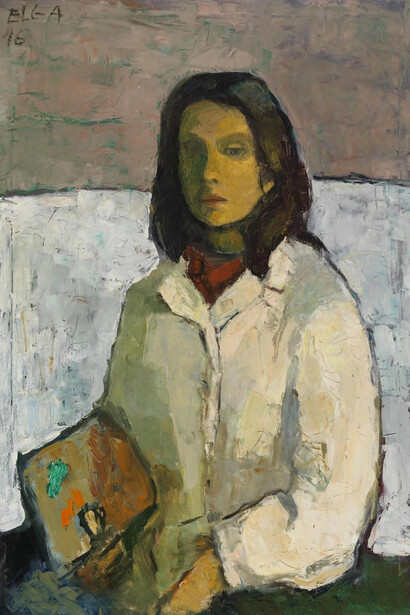
Elga Sesemann’s (1922–2007) life story is an exceptional and interesting example of a professional woman artist making a career for herself in Finland. Sesemann and her family moved to Helsinki as evacuees from Vyborg during the Winter War. The artist’s very first solo exhibition in Helsinki, in 1945, immediately drew the attention of critics and the art audience. The young artist, then 23 years old, was a promising, original colourist, whose paintings were compared to those of Edvard Munch and Helene Schjerfbeck. Sesemann’s artistic oeuvre is extensive, and she enjoyed an active career, with her expression constantly evolving, until the mid-1990s.
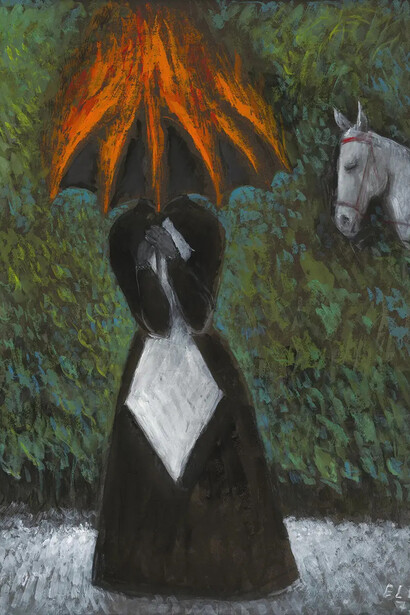
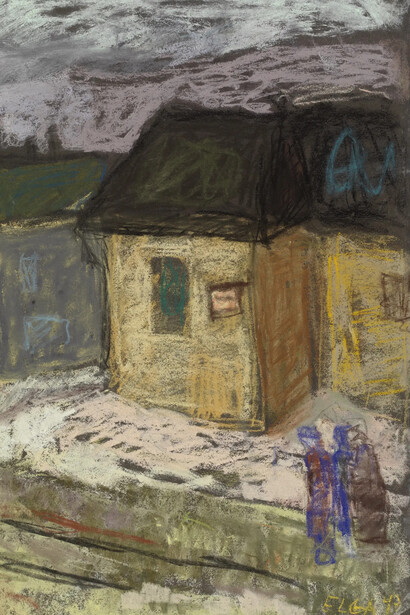
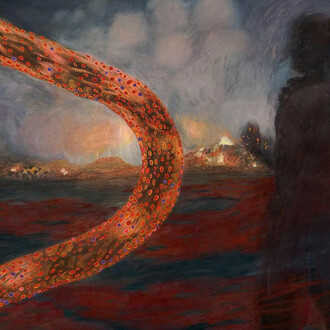
In her art, Sesemann repeatedly returned to memories of her childhood and youth in Vyborg, as well as to her evacuation, which began after the outbreak of the Winter War. Her works deal with the impact of war, being forced to leave home, and having life disrupted. The artist’s personal experiences contribute to building a collective memory, enabling the exploration of questions about identity, existence and outsiderness. The works are also relatable in the context of the current state of the world.
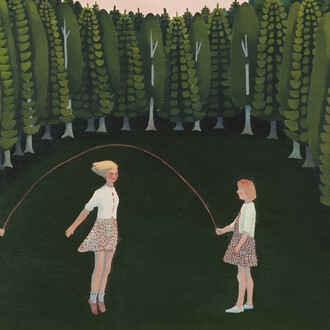
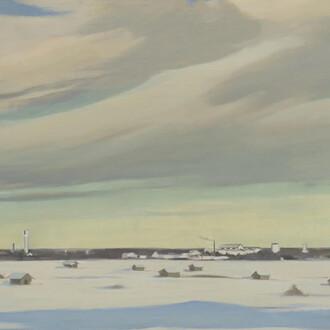
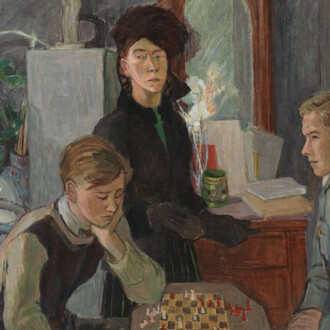
Sesemann created expressive, semi-abstract paintings of people, landscapes and interiors. The atmosphere of the works reflects post-war desolation and melancholy. In the self-portraits and portraits, people have vacant looks in their eyes, partially or completely faded by the brush. The interiors and landscapes are built from memories, childhood experiences and dreamlike moments.