English
 Español
 Français
 Deutsch
 Italiano
 Português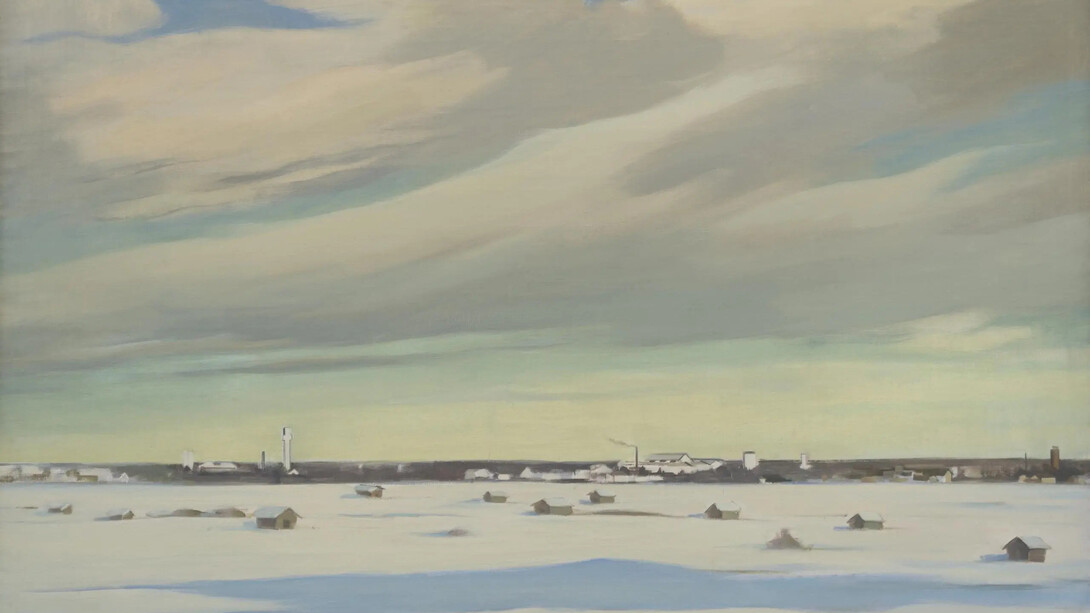
An exhibition covering the entire career of Eero Nelimarkka (1891–1977) takes a fresh look at the versatile artist and sheds light on his view of the world. Nelimarkka’s fascinating life story traces his journey from being the son of a washerwoman in Vaasa to becoming one of Finland’s most popular artists, whose career was one of a dedicated artist.
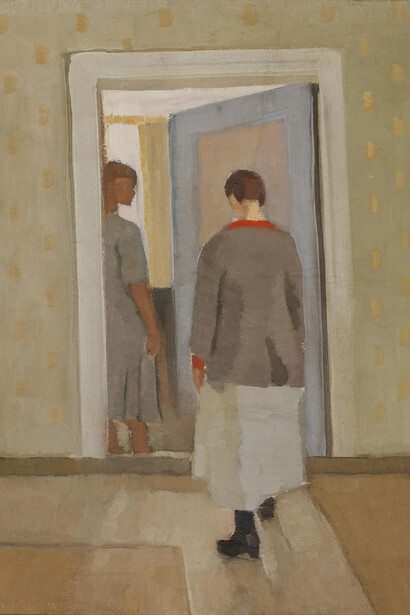
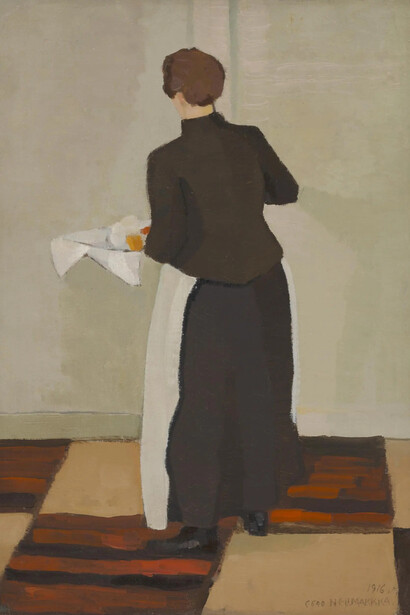
A skilled portrayer of people
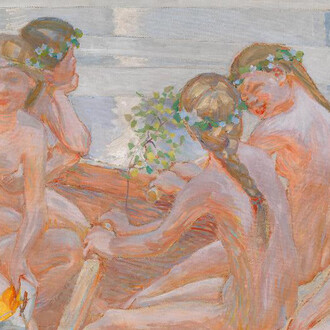
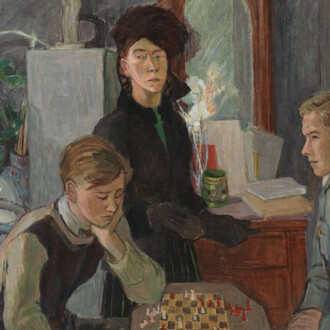
Eero Nelimarkka is known as a painter of the landscapes of South Ostrobothnia, but he was also particularly skilled in portraying people. Nelimarkka’s work includes a large number of diverse characterful portraits, as well as many self-portraits.
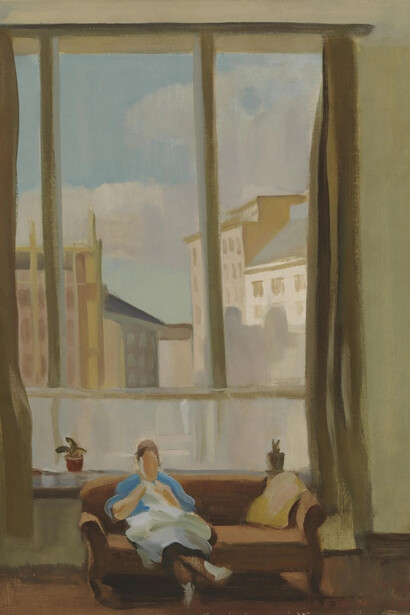
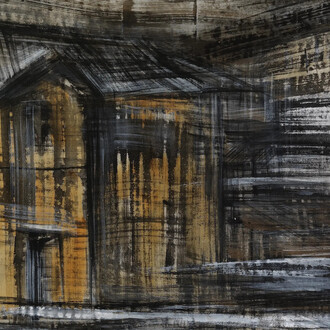
In Finnish visual art, the 1910s was a decade of searching for something new, and at the time, Nelimarkka’s paintings displayed a reduction of colour and form, in keeping with the modern spirit of the era. During his career, in addition to rural landscapes, he often portrayed cities, such as landscapes in Helsinki and views from his many trips abroad.
There is an ambiguous strangeness in the artist’s interesting compositions, which feature characteristics of magical realism. The subjects of the paintings are quite simple – a pair of shoes left on the floor, or a pile of hats – but there is a sense that the compositions include many meanings. There is something inexplicable in the works, the presence of which the viewer can only sense.
A comprehensive presentation of the artist’s career
Nelimarkka’s marriage to Saima Alaviitala from Alahärmä in 1918 gave him access to a prosperous farming community in South Ostrobothnia. Nelimarkka lived in Helsinki, and in 1933, he was granted an atelier residence in the Lallukka Artists’ Home. Later, Nelimarkka lived on Töölönkatu street, which was his home for the rest of his life. In 1964, the artist founded the Nelimarkka Museum in Alajärvi, with the aim of promoting cultural education. Today, the museum operates as a regional art museum for South Ostrobothnia.
This will be the first exhibition of Nelimarkka’s work in a museum that comprehensively presents the artist’s career. The curator of the exhibition is the director of collections management at the Finnish National Gallery, Riitta Ojanperä. The exhibition will be complemented by the publication of an extensive exhibition catalogue in Finnish, Swedish and English, edited by the chief curator at the Ateneum, Marja Lahelma.
The publication of the exhibition catalogue is supported by the Nelimarkka Foundation. The Nelimarkka Museum, the South Ostrobothnia Art Museum, is a partner of the exhibition.