English
 Español
 Français
 Deutsch
 Italiano
 Português
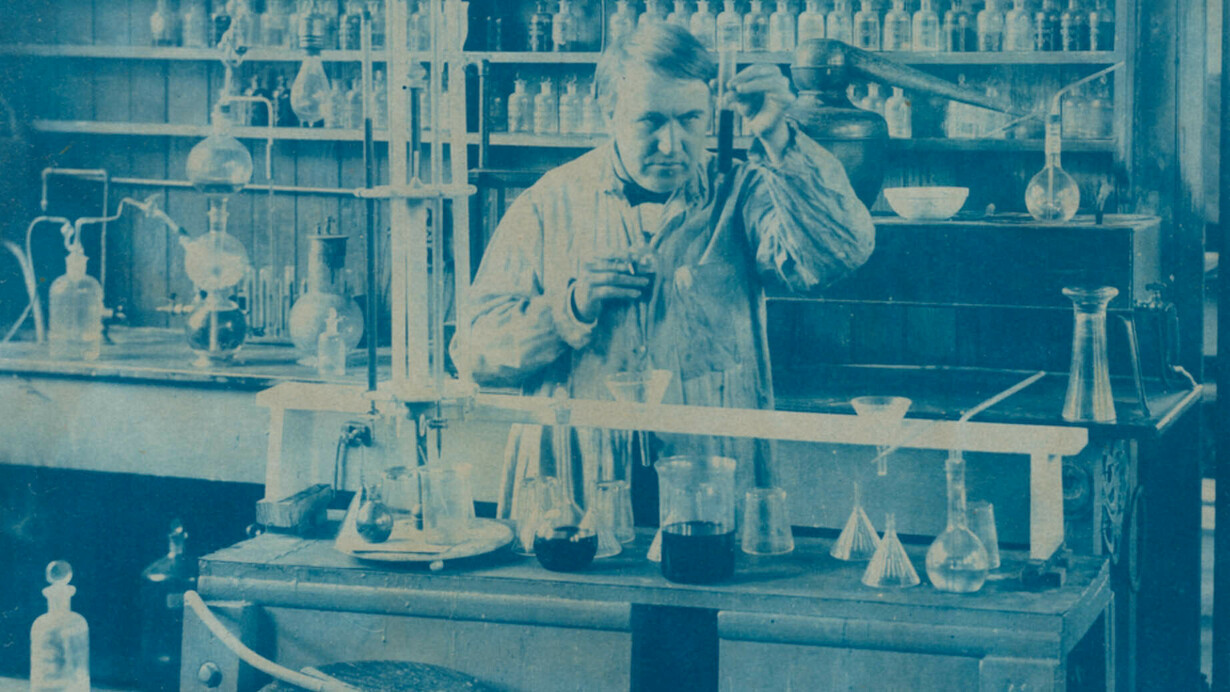
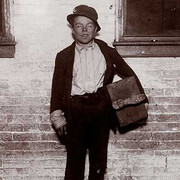
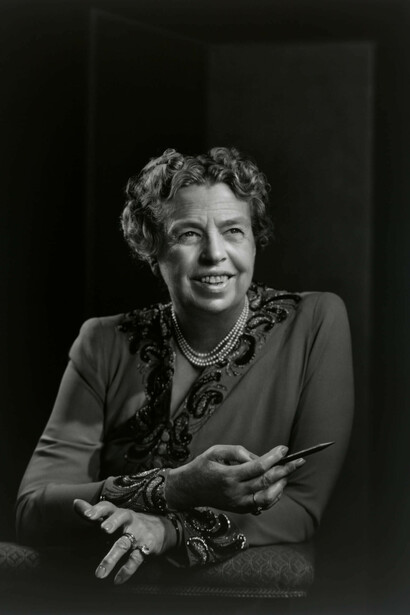
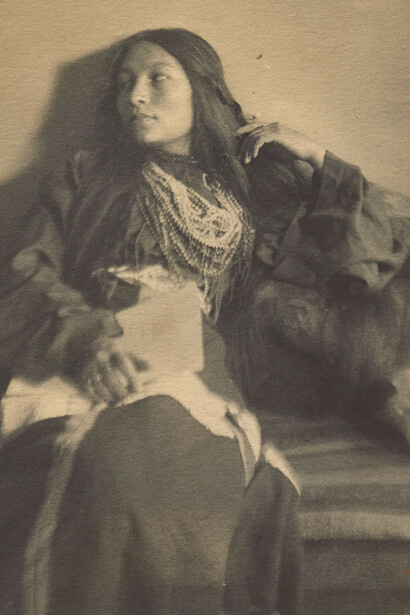
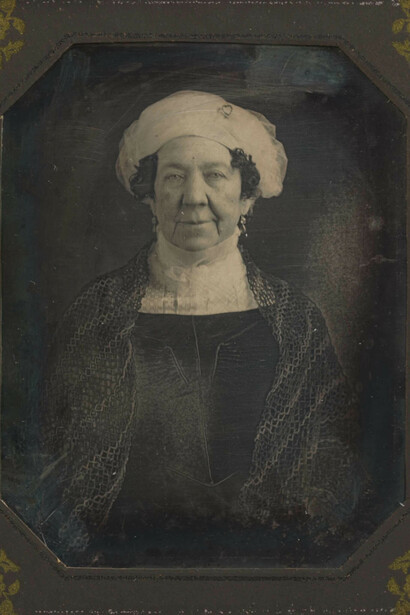
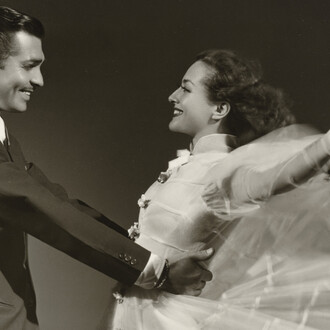
This year, the Smithsonian’s National Portrait Gallery celebrates the fiftieth anniversary of the founding of its photographs collection, which now accounts for nearly half the museum’s holdings. To mark this milestone, the Portrait Gallery presents Photographic memory: fifty years of collecting. Comprising more than one hundred works, from the Daguerreian era to the digital age, this exhibition explores the evolution of photographic portraiture through treasures from the museum’s wide-ranging collection.
It is hard to imagine the Portrait Gallery without photographic portraits. Yet when the museum was founded by an act of Congress in 1962, photographs were excluded from its collecting mandate. After the Portrait Gallery opened its doors to the public in 1968, the inability to acquire photographic portraits emerged as a serious shortcoming. Without the inclusion of photographs, countless individuals who shaped the nation’s history could not be represented simply because a painted or sculpted likeness did not exist. Something needed to change! In 1976, as the United States celebrated its bicentennial, the Portrait Gallery amended its charter, and the barrier to acquiring photographic portraiture was finally removed.
Today, photographs continue to play a critical role in democratizing the museum’s collection by introducing a constellation of notable portrait subjects and distinguished photographers who would otherwise be absent from our walls.