English
 Español
 Français
 Deutsch
 Italiano
 Português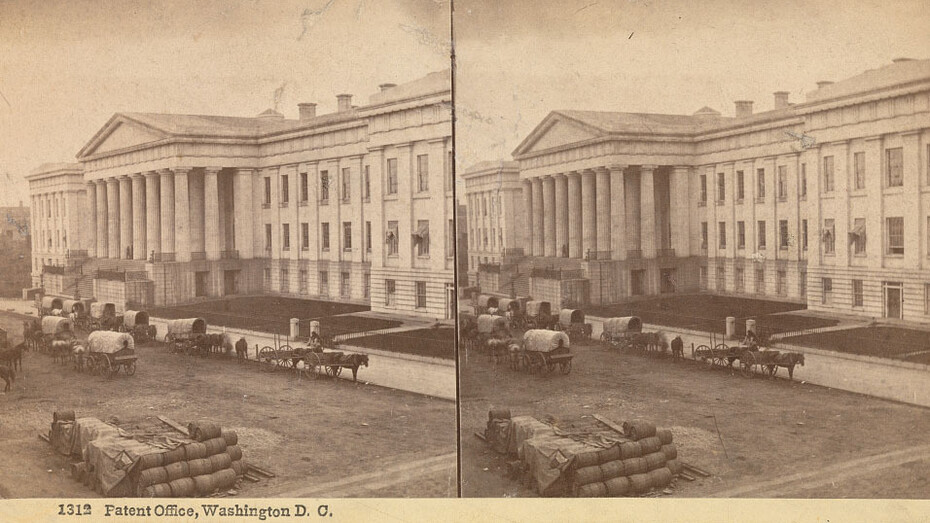
Timed with the U.S. semiquincentennial, the National Portrait Gallery will commemorate the founding of its historic home with The spirit of invention: patent office and patentees. This exhibition will sketch the early history of the Patent Office—the third oldest building in Washington—through works in the museum’s collection.
On July 4, 1836, President Andrew Jackson signed legislation to overhaul the nation’s patent system and fund the construction of a purpose-built Patent Office in Washington, D.C. Completed by 1868, the Patent Office Building employed hundreds of staff and exhibited thousands of scale models of patented inventions. It later became the home of the National Portrait Gallery, which opened in 1968, and the Smithsonian American Art Museum, which moved into the building that same year.
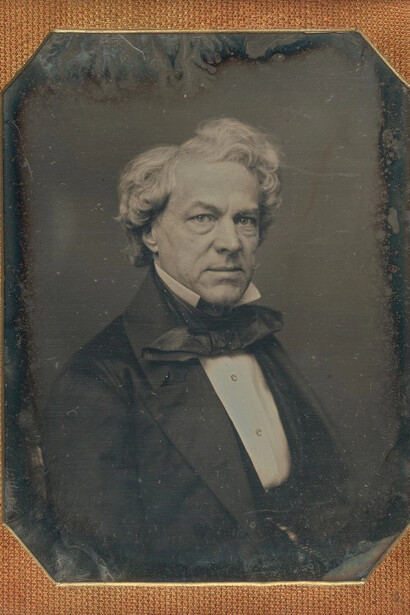
Curated by Senior Curator of Photographs Ann Shumard, this exhibition traces the early history of the Patent Office through works from the museum’s collection. Highlights include a painted portrait miniature of Jackson, who selected the building’s site, plan and architect; a daguerreotype of inventor Samuel Morse; and an 1869 print depicting patent examiners at work during a surge in patent applications.
“The ability to patent inventions has long been a catalyst for innovation in the United States,” Shumard said. “This exhibition spotlights both the historic Patent Office Building and early patentees whose inventions fueled the nation’s technological advances.”
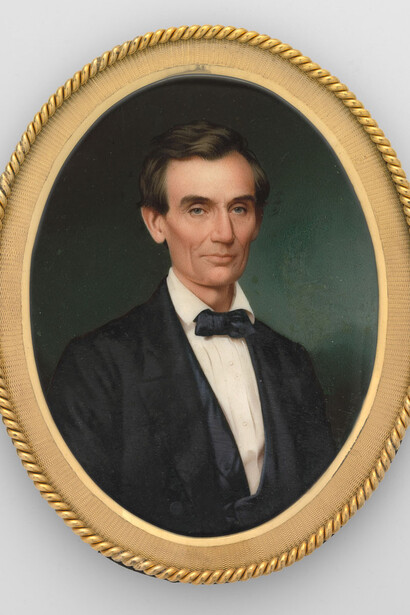
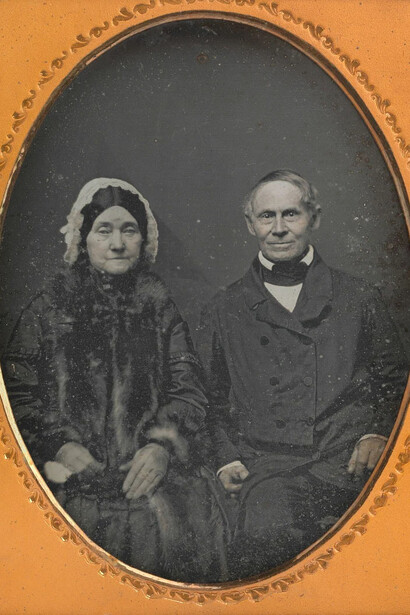
Also on view will be rare daguerreotypes of patentees and historic prints representing the architecture of the Patent Office Building. Portraits of inventors include Thaddeus Lowe, who devised a portable hydrogen generator for reconnaissance balloons during the Civil War, and Abraham Lincoln, the only U.S. President to hold a patent.