English
 Español
 Français
 Deutsch
 Italiano
 Português
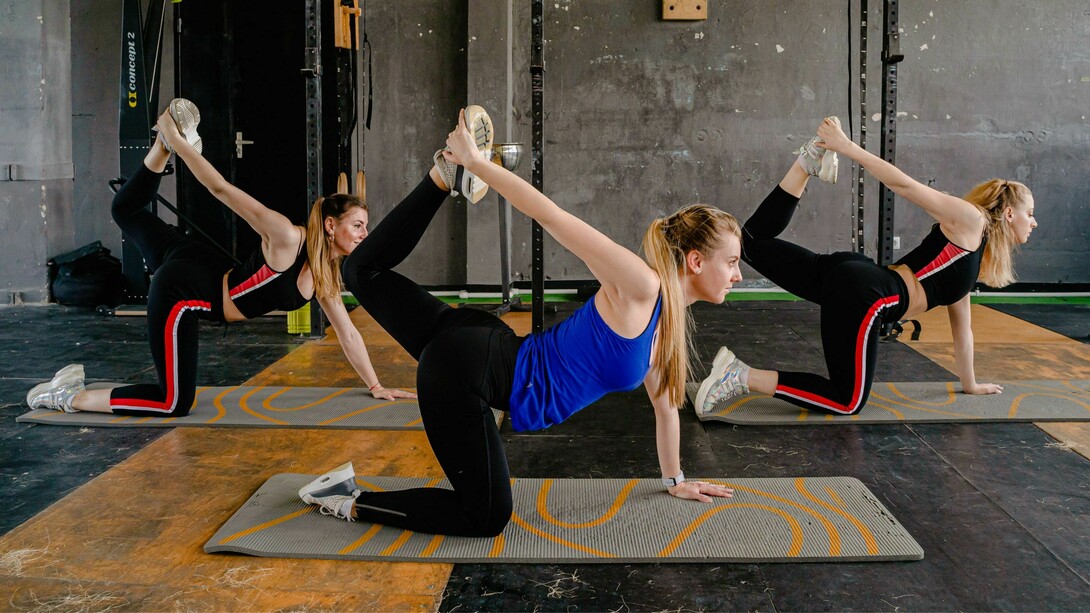
Personal fitness in 2026 is about more than losing weight or building muscle. People are increasingly interested in improving their mental health, maintaining strength as they age, and finding enjoyable ways to stay active.
According to the American College of Sports Medicine (ACSM), wearable technology leads its worldwide fitness-trends forecast for 2026. Other popular trends include fitness programs for older adults, weight management, mobile exercise applications, and activities such as yoga and Pilates.
These trends reflect a growing interest in making exercise more personal, accessible, and sustainable. But which trends offer practical benefits? Here are the top 10 fitness trends of 2026, based on the ACSM’s annual survey and established public-health recommendations.
1. Wearable fitness technology
Smartwatches and fitness trackers remain the leading fitness trend in 2026. These devices monitor activity, heart rate, steps, and sleep, helping users understand their daily habits.
Tracking progress can encourage people to move more and maintain consistent exercise routines. However, measurements such as calories burned and sleep stages are estimates and may not always be completely accurate.
Try this: Set a realistic daily step goal and use your device to monitor progress over time. Focus on consistency rather than perfect numbers.
The evidence: ACSM identifies wearable technology as the leading fitness trend for 2026.
Source: American College of Sports Medicine (ACSM)1.
2. Fitness for healthy aging
Exercise programs designed for older adults rank second. Their goal is to preserve strength, balance, mobility, and independence.
Regular physical activity helps older adults maintain the ability to perform everyday tasks—from climbing stairs to carrying groceries. Strength and balance exercises are particularly important for maintaining physical function.
Healthy aging is not simply about living longer; it is also about maintaining the ability to participate in activities that make life enjoyable.
Try this: Combine walking with gentle resistance exercises and balance practice. Adapt activities to your abilities and increase their difficulty gradually.
The evidence: The World Health Organization recommends that older adults include varied physical activities emphasizing balance and strength alongside aerobic exercise.
Source: WHO Guidelines on Physical Activity and Sedentary Behaviour2.
3. Exercise for weight management
Exercise remains a vital part of managing body weight and improving overall health. It supports cardiovascular fitness, muscular strength, and metabolic health.
With the rising interest in weight-management medications, exercise and muscle preservation have become central topics in discussions about long-term health.
However, scale weight is only one measure of progress. Improvements in endurance, strength, sleep, and daily energy are equally meaningful.
Try this: Combine activities such as brisk walking or cycling with strength training. Pair exercise with balanced nutrition and realistic goals.
The evidence: U.S. physical activity guidelines recommend combining aerobic activity with muscle-strengthening exercises for optimal health.
Source: Physical Activity Guidelines for Americans3.
4. Mobile fitness applications
Fitness applications make guided workouts accessible at home, outdoors, or in the gym. Many offer exercise demonstrations, personalized schedules, progress tracking, and reminders.
These tools are particularly useful for people with busy schedules or limited access to fitness facilities. However, an application is only helpful if its recommendations suit your current fitness level and fit into your routine.
Try this: Choose an application that offers beginner-friendly workouts and a realistic weekly schedule. Start with short sessions and build gradually.
The benefit: Digital tools make exercise more convenient and help users monitor their progress.
Source: American College of Sports Medicine4.
5. Pilates, yoga, and balance training
Mind-body activities such as Pilates and yoga continue to attract people seeking flexibility, coordination, core strength, and stability.
Yoga offers an opportunity to relax and manage stress, while Pilates emphasizes controlled movement and muscular endurance. Balance exercises support overall mobility and fall prevention.
These activities complement other forms of exercise, though they should ideally be paired with traditional aerobic or resistance training for a complete routine.
Try this: Add one or two yoga or Pilates sessions to your weekly routine. Choose a class that matches your experience and physical abilities.
The benefit: Mind-body activities support a balanced, holistic approach to physical fitness and well-being.
Source: American College of Sports Medicine5.
6. Exercise for mental health
Exercise is increasingly recognized as a cornerstone of mental well-being. Regular physical activity can boost mood and reduce symptoms of anxiety and depression.
Movement also provides structure, opportunities for social connection, and a welcome break from daily stressors. While exercise does not replace professional mental healthcare, it serves as a powerful complementary practice.
Try this: Begin with an enjoyable activity—such as a 15-minute walk, gentle yoga, dancing, or cycling. Choose something that feels manageable rather than overwhelming.
The evidence: The World Health Organization identifies regular physical activity as beneficial for both physical and mental health.
Source: WHO Guidelines on Physical Activity and Sedentary Behaviour6.
7. Traditional strength training
Strength training remains a foundation of personal fitness. It includes exercises using weights, resistance bands, machines, or body weight.
Regular resistance training helps build and maintain muscle, supports bone density, and improves daily functional strength. It is valuable at every age, not just for athletes or bodybuilders.
Try this: Begin with two strength-training sessions per week. Focus on exercises for the legs, back, chest, shoulders, arms, and core. Increase resistance gradually as your technique improves.
The evidence: U.S. guidelines recommend muscle-strengthening activities involving all major muscle groups at least two days per week for adults.
Source: Physical Activity Guidelines for Americans7.
8. Data-driven personal training
Fitness technology helps individuals use data to guide their workouts intelligently. Heart rate variability, activity levels, sleep patterns, and perceived fatigue provide insight into how the body responds to exercise.
For example, noticing persistent fatigue may be a sign to reduce intensity or prioritize recovery. However, more data does not always equal better decisions; wearable measurements can fluctuate, and normal daily variations do not necessarily indicate a problem.
Try this: Track a few key metrics, such as exercise frequency, sleep quality, and perceived effort. Focus on long-term trends rather than daily fluctuations.
The benefit: Thoughtful data monitoring helps people make more informed, personalized training decisions.
Source: World Health Organization8.
9. Recreational sports and fitness clubs
Running groups, cycling clubs, pickleball, and recreational sports leagues offer engaging ways to stay active.
Group activities combine exercise with friendship, shared goals, and community. For those who dislike working out alone, social exercise makes staying fit far more appealing.
Try this: Join a walking group, beginner sports league, or community fitness class. Start at a comfortable pace and increase your participation over time.
The benefit: Social connections and enjoyable activities make maintaining a regular exercise habit much easier.
Source: American College of Sports Medicine9.
10. Functional fitness training
Functional fitness focuses on movements used in everyday life—such as lifting, carrying, bending, reaching, and climbing stairs.
Exercises often include squats, step-ups, lunges, and loaded carries to develop real-world strength, coordination, and balance. The ultimate goal is to make daily activities easier and safer.
Try this: Include exercises that reflect your daily movement needs. Practice standing up from a chair without using your hands, stepping onto a platform, or carrying manageable weights with proper form.
The benefit: Functional training develops practical strength and movement skills for daily life.
Source: American College of Sports Medicine10.
How much exercise do you need?
Despite evolving technologies and workout trends, core health recommendations remain consistent. The U.S. Department of Health and Human Services recommends that adults aim for:
150–300 minutes of moderate aerobic activity per week (such as brisk walking).
Muscle-strengthening exercises at least two days per week.
Reduced sedentary time, with regular movement breaks throughout the day.
Beginners can start with shorter sessions and build up gradually. A practical weekly routine might combine brisk walking, two strength-training sessions, and a yoga or Pilates class.
You do not need to adopt all 10 trends. Choose the activities that best fit your health, budget, interests, and lifestyle.
Conclusion: make fitness work for you
The top fitness trends of 2026 share a common theme: personal health is about far more than appearance.
Technology helps track progress, strength training supports physical longevity, and recreational sports keep exercise fun. At the same time, a focus on mental well-being and healthy aging underscores the value of staying active throughout life.
The most effective fitness routine isn't necessarily the newest or most expensive—it’s the one you can stick with. Start with realistic goals, choose activities you genuinely enjoy, and build gradually. The best fitness trend for 2026 is simply making movement a sustainable, rewarding part of your everyday life.
Would you like me to adapt this article into a specific format, such as a blog post draft, newsletter summary, or social media carousel outline?
Notes
1 American College of Sports Medicine (ACSM).
2 WHO Guidelines on Physical Activity and Sedentary Behaviour.
3 Physical Activity Guidelines for Americans.
4 American College of Sports Medicine.
5 American College of Sports Medicine.
6 WHO Guidelines on Physical Activity and Sedentary Behaviour.
7 Physical Activity Guidelines for Americans.
8 World Health Organization.
9 American College of Sports Medicine.
10 American College of Sports Medicine.