English
 Español
 Français
 Deutsch
 Italiano
 Português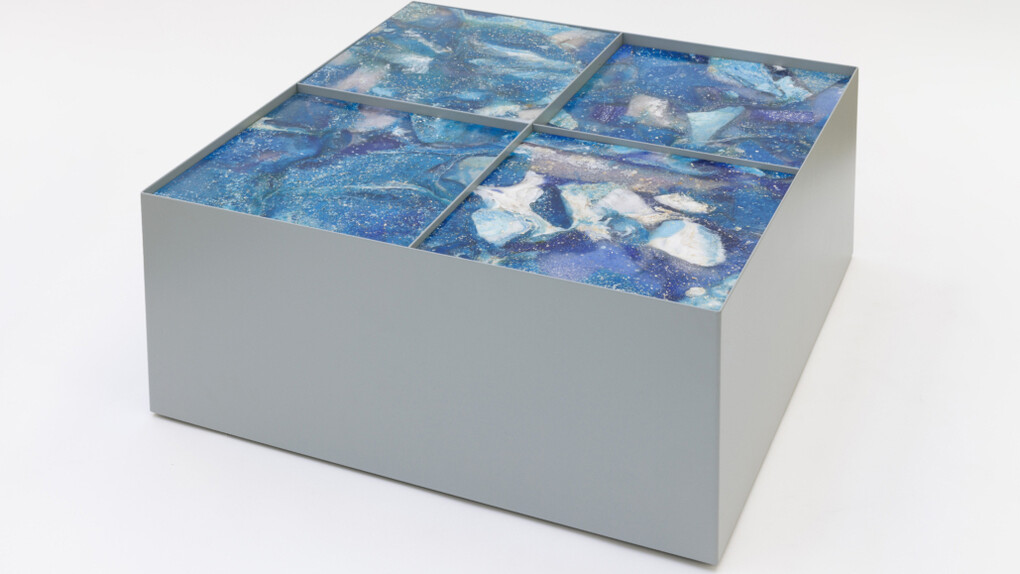
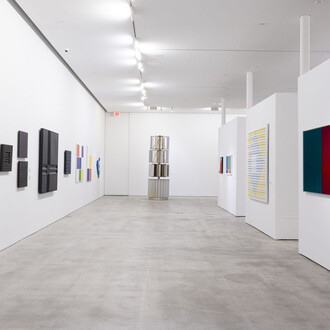
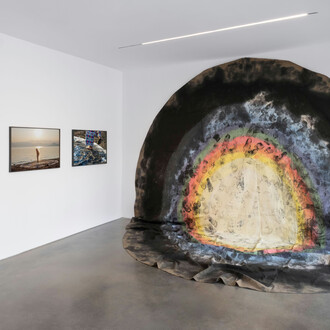
Mindy Solomon Gallery is pleased to present Material relations, an exhibition bringing together the woven sculptures of Frances Trombly and the sculptural furniture of Hettler. Tüllmann, a Berlin- and Miami-based design studio. Through distinct approaches to material, structure, and form, both practices explore the relationships that shape how objects are made, experienced, and understood.
In her 1982 essay Material as Metaphor, artist and designer Anni Albers observed that “material, any material obeys laws of its own.” Albers understood making as a dialogue in which the artist engages with the possibilities and limitations of a chosen medium, following or challenging its inherent characteristics. This idea provides a point of departure for Material relations, which considers how materials carry not only physical properties but also histories, conventions, and cultural associations.
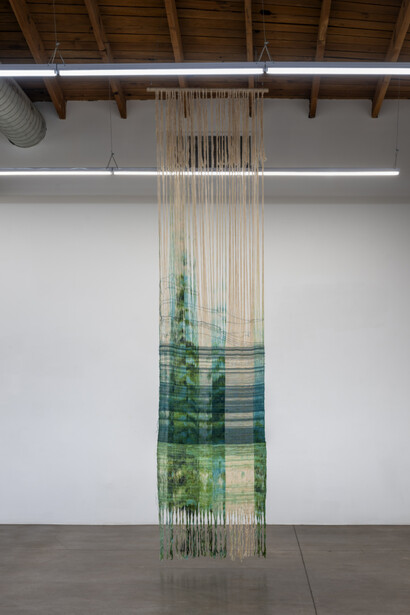
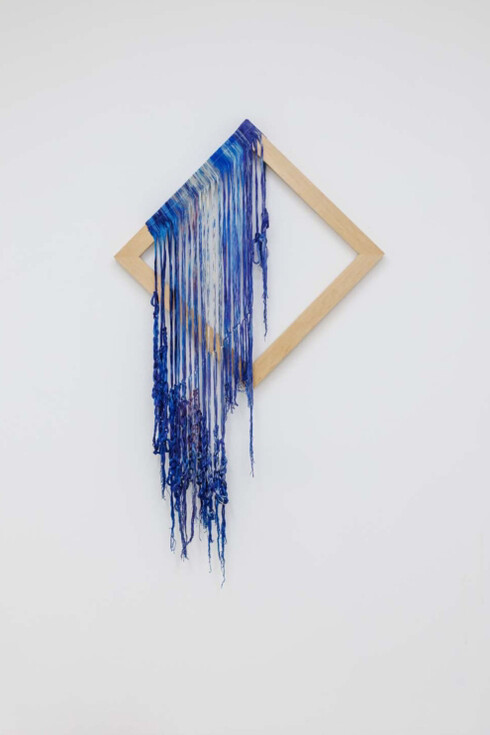
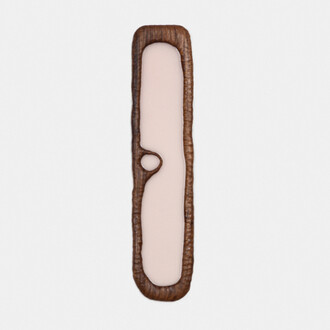
For Frances Trombly, weaving becomes a way to examine the structures that underpin painting and the hierarchies that have historically separated fine art from textile practices. While painting has traditionally been privileged over weaving, the painted canvas itself depends upon textile as its foundational support. Trombly brings this often-overlooked relationship to the foreground, revealing the warp, tools, and labor that make a woven surface possible. Her sculptures expose threads that would ordinarily remain concealed, allowing them to extend, separate, and occupy space beyond the conventions of a finished canvas. Maple wood, the same material used in her loom, is reconfigured into forms that suggest deconstructed painting stretchers and frames. These wooden elements reference both the apparatus of weaving and the traditional supports of painting, bringing structures associated with making and presentation into the composition. Wooden shuttles remain embedded within the textile, parting threads and opening the woven structure from within. By bringing these elements into view, Trombly challenges distinctions between support and subject, process and finished object, and the historical values assigned to painting and textile.
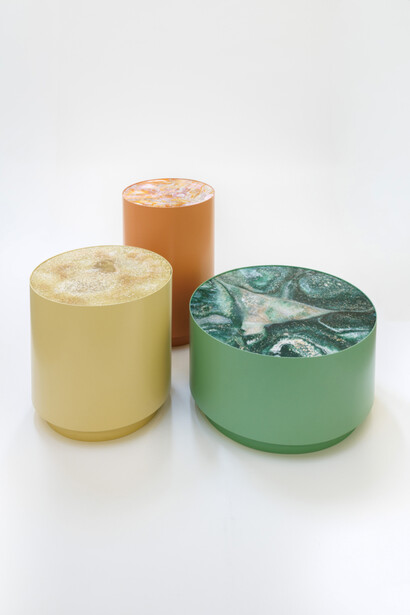
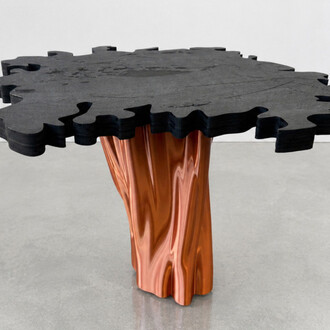
Hettler. Tüllmann’s practice brings craftsmanship and sustainability into dialogue with contemporary design, organic processes, and the natural world. In the Ember tide and moss series, minimal tables feature chromatic surfaces developed in collaboration with Shell Homage, an award-winning specialist in organic surface materials. Composed of substances including quartz, lemon zest, eggshells, and nutshells, the surfaces reveal swirling passages of magenta, violet, and cream that evoke molten geological formations, while gradients of turquoise and cobalt suggest crystalline structures and aerial views of coastlines. Rich greens and delicate veining recall moss, mineral deposits, and reflective pools of water. These expressive surfaces pair with restrained structural forms, creating a dialogue between organic fluidity and deliberate construction. The tables retain their functional identity while inviting consideration as sculptural objects, reflecting a practice attentive to craftsmanship, material transformation, and environmental responsibility.
The exhibition’s title, Material relations, extends beyond the physical relationships between materials to encompass the social and historical frameworks through which objects acquire meaning and value. Trombly’s work questions the distinctions between painting and textile, visible and invisible labor, and the supporting structures that have traditionally remained secondary to the image. Hettler. Tüllmann’s practice explores relationships between nature and design, organic substances and constructed form, and the expressive and functional possibilities of everyday objects.
Together, the works establish a dialogue between distinct artistic languages. The verticality and exposed structures of Trombly’s weavings encounter the horizontal planes and chromatic landscapes of Hettler. Tüllmann’s tables, creating connections between support, surface, and space. Through this encounter, Material Relations invites a reconsideration of the familiar distinctions between object and structure, function and expression, and the ways materials come to hold meaning.