English
 Español
 Français
 Deutsch
 Italiano
 Português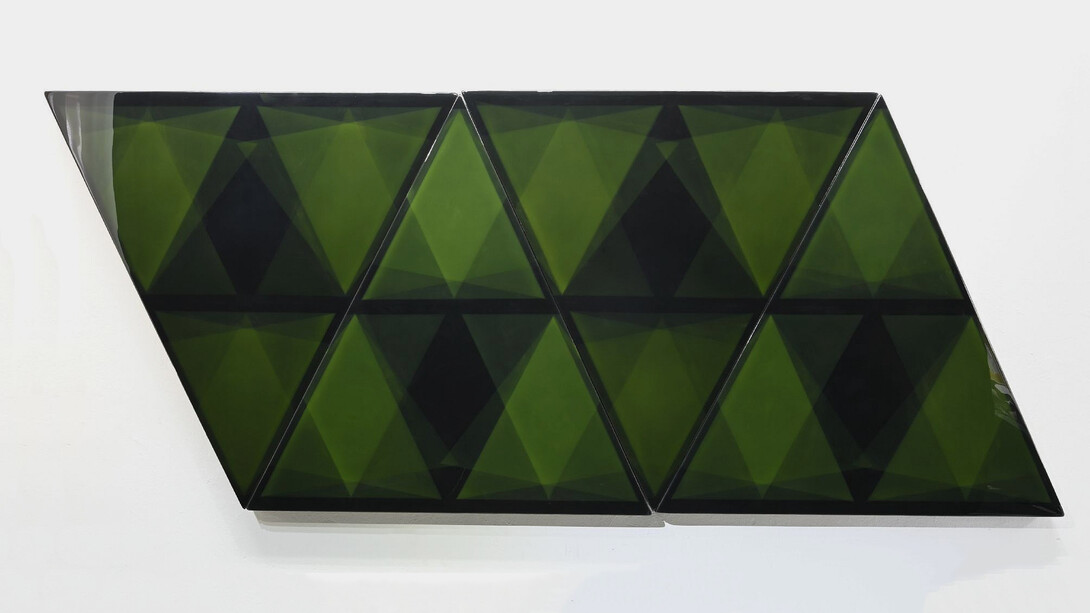
My work is all at once about mutually dependent contradictions and crossing boundaries. Or rather, eventually dissolving them.
For this, you may find multiple examples in my work, yet I’d like to point out especially one: Dissolving the boundaries of the tangible and the etheral. It’s fundamental, because it represents the duality of human perception. – And as my work is all about perception, it’s maybe the essential part of it.
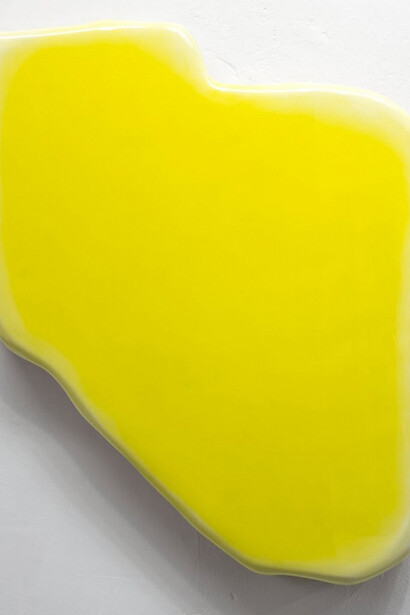
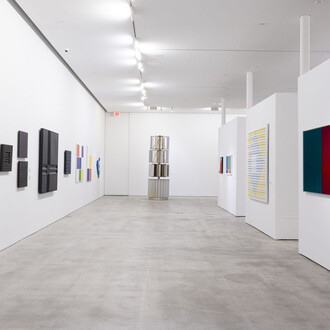
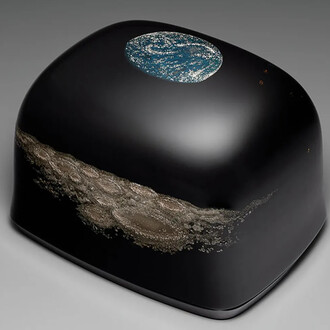
I choose this title because it gains even more relevance in the presence oft he new line of work, the so called ‚multishapes‘.
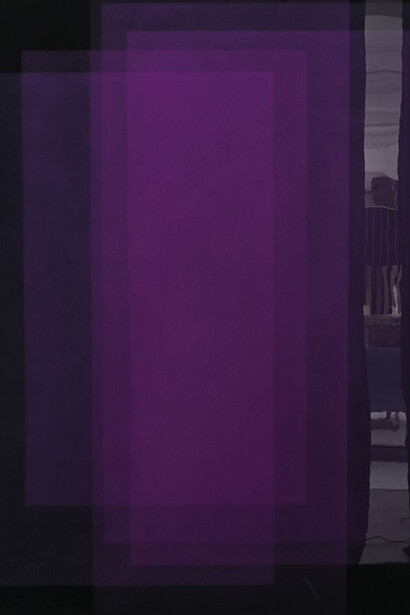
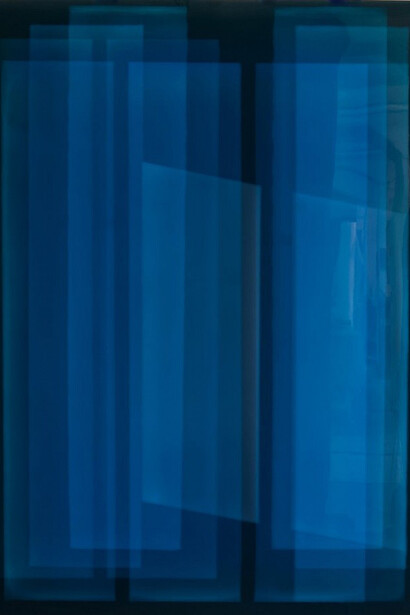
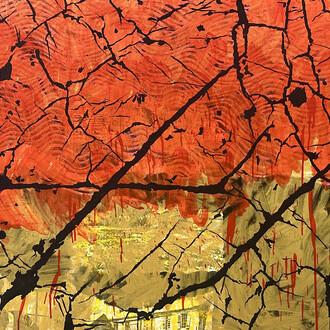
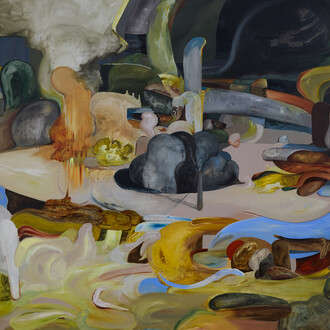
Former Director of the Landesmuseum in Bonn Dr. Gabriele Uelsberg once wrote: ‚In his art, Dirk Salz approaches colour painting much like a traditional painter, even though he works with the mindset of a sculptor, completing his paintings as designed volumes. Layer by layer, he develops his pictorial objects from the materiality of various materials including pigments, resins, aluminium and wood. His creations engage in a dialogue with viewers, intensifying their inner infinity, colour and light.‘
It was precisely from this understanding that I re-examined the question of form. In both the “deep dives” and “fadings” series, I had previously reduced the external form of the work to the “primal” shapes of square/rectangle, circle, and triangle. So perhaps it was only a matter of time before my ever-present longing for a sensually tangible expression of my work, recognized form as an element alongside light and color – meaning I was reflecting shape.
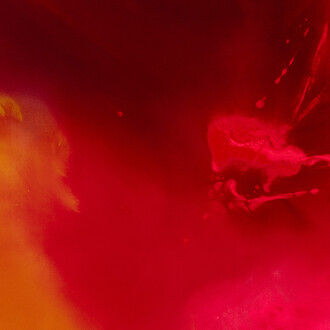
As always, driven by epistemological and aesthetic questions, I once again plunged into a conceptually forced dialogue between non-color and color, which, by the given form and the frequently present reflection, resists the actual monochrome of color and presents itself in a constantly changing gradation. This very ambiguity of visual and sensory perception, this persistant refused revealing of the work itself, is the central topic of my work.
Or, as Immanuel Kant stated: ‚Even if we could bring this intuition of ours to the highest degree of distinctness we would not thereby come any closer to the constitution of objects in themselves. For in any case we would still completely cognize only our own way of intuiting, i.e., our sensibility, and this always only under the conditions originally depending on the subject, space and time; what the objects may be in themselves would still never be known through the most enlightened cognition of their appearance, which is alone given to us.‘
(Text by Dirk Salz)