English
 Español
 Français
 Deutsch
 Italiano
 Português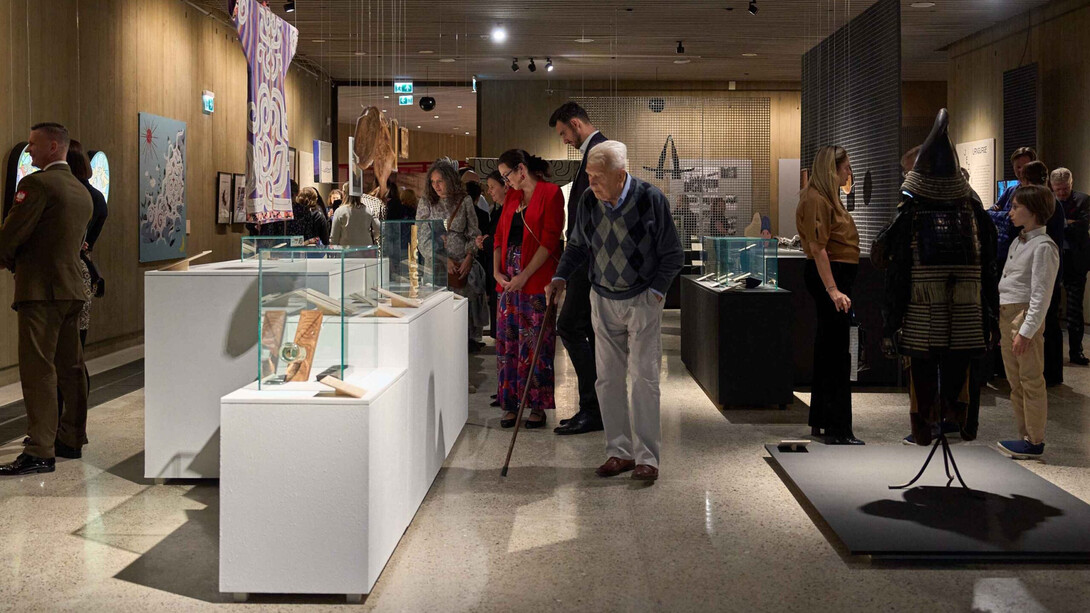
Ikor means “treasure” in the Ainu language. It refers not only to a valuable object, but also to knowledge, memory, skills, and a sense of belonging passed down from generation to generation. This concept is one of the keys to the exhibition A soul between worlds. Indigenous Ainu in Northern Japan and ethnographer Bronisław Piłsudski, which will be on view at the Józef Piłsudski Museum in Sulejówek from 12 September 2026.
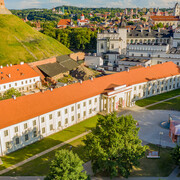
The exhibition is a joint project of the Józef Piłsudski Museum in Sulejówek and the National Museum of Lithuania. Its first edition was presented at the House of Histories of the National Museum of Lithuania in Vilnius, where it was on view from February to August 2026.
Bronisław Piłsudski and the Ainu
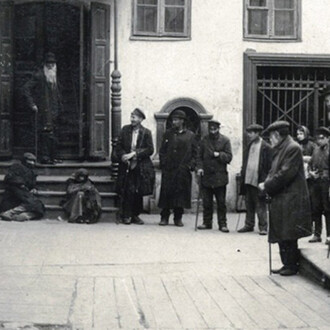
Prepared to mark the 160th anniversary of Bronisław Piłsudski’s birth, the exhibition tells the story of his encounter with the Ainu – the Indigenous people of northern Japan and neighbouring regions. Piłsudski was sent to Sakhalin as a penal labourer. He learned the Ainu language, took photographs, recorded stories and songs, and documented everyday life and ceremonies.
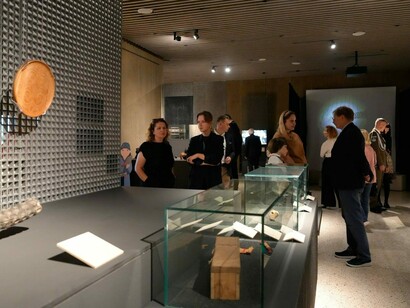
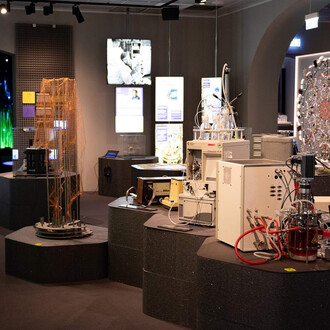
He also recorded Ainu speech and oral traditions using a phonograph. The exhibition features recordings of Ainu oral literature made more than a hundred years ago, as well as an Edison phonograph and two original recordings made by Piłsudski, presented alongside copies made in Japan.
History
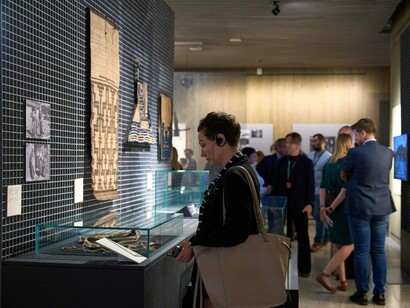
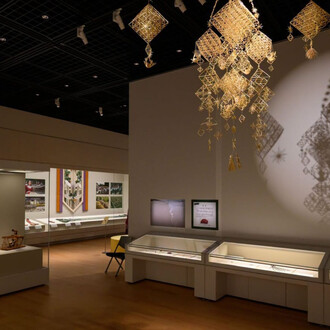
The historical section features tetarpe, a traditional Ainu garment from Sakhalin. It is presented together with a contemporary kaparamip created by Yuki Hayasaki and Shinobu Sugimura. The mother and daughter designed different parts of the ornament inspired by apehuci kamuy, the deity of fire, bringing their patterns together in a single garment for the first time.
The exhibition also features makiri – Ainu knives used, among other things, during mountain expeditions, for gathering plants and for carving – as well as embroidered hand guards known as tekunpe. The latter could be given by a woman to a man she had chosen. If he returned her feelings, he would wear the tekunpe and make a menoko-makiri – a woman’s knife – for her.
The exhibition presents a bowl and spatula known as tuki-pasuy, used in kamuy-nomi prayers and offerings to the kamuy. It also features the richly decorated ceremonial quiver ikayopikor, used in ceremonies to send away the spirit of a bear.
Contemporary culture
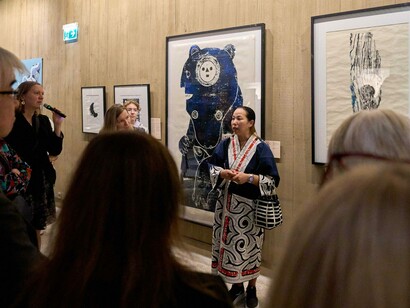
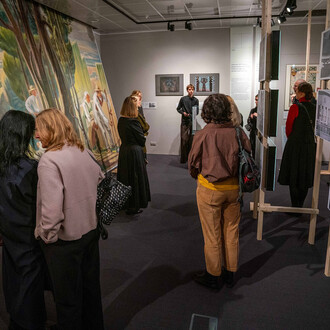
Contemporary Ainu art occupies an important place in the exhibition. This part of the exhibition is curated by Kanako Uzawa, an Ainu artist and researcher. Works by artists from different generations show how tradition, family histories, and old techniques continue to function in contemporary Ainu culture. Uzawa presents the film Ainupuri, made together with Laura Liverani. The starting point for her narrative is a collection of Ainu objects held by the Museum of Cultural History at the University of Oslo, which in the film encounter the artist’s personal narrative, movement, and memories.
The contemporary works also include komochi bon, a wooden tray made in 2025 by Tomoya Okamoto. The woodcarver used a traditional owl motif, creating his own interpretation of it. The work won the main prize in the Ainu Craft Competition.
The exhibition is complemented by short films about contemporary Ainu culture, including woodcarving (inuye) and the Ainu language (aynuitak), as well as Ainu identity and the significance of Ainu heritage today.
The exhibition A soul between worlds. Indigenous Ainu in Northern Japan and ethnographer Bronisław Piłsudski brings together materials left by Bronisław Piłsudski with the voices of contemporary Ainu. Photographs and recordings made more than a hundred years ago are presented alongside traditional garments and objects, as well as works by contemporary artists.