English
 Español
 Français
 Deutsch
 Italiano
 Português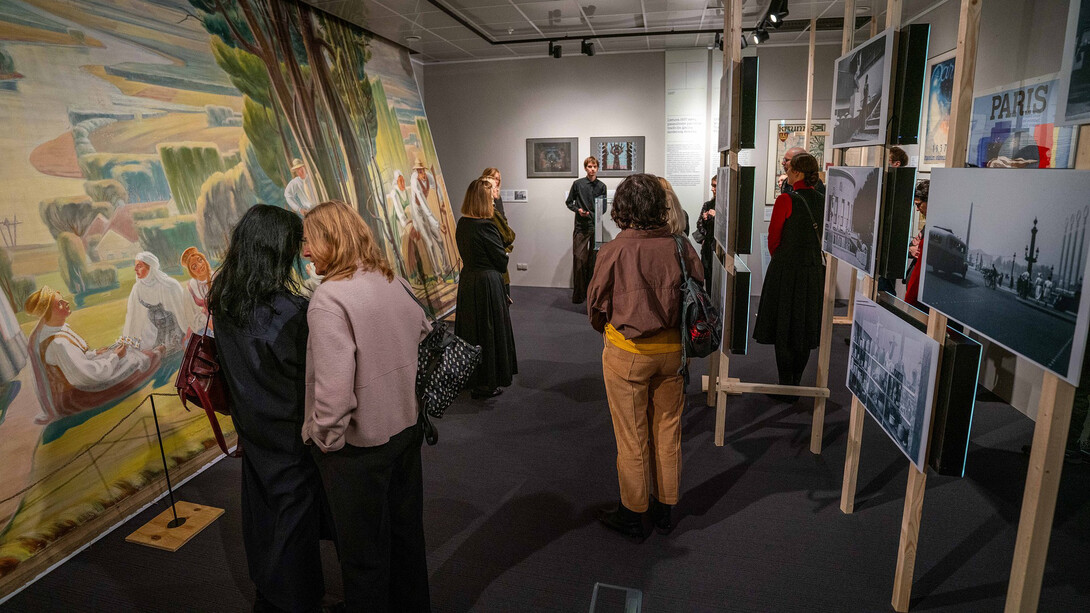
The exhibition tells the story of Lithuania’s efforts to make itself visible on the international stage amid geopolitical challenges, using cultural diplomacy and self-presentation through art, traditions, and symbols. Paris became the place where Lithuanian culture could be heard among other nations, and the exhibitions held there served as a platform to tell the country’s story.
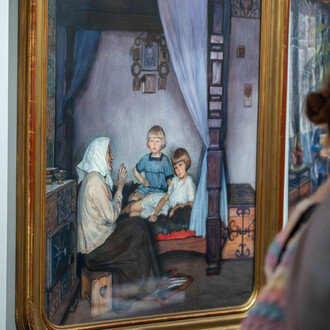
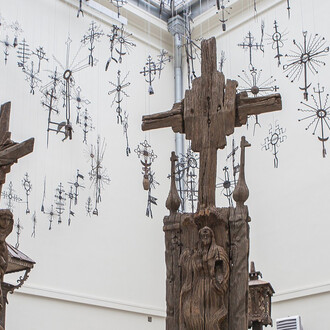
The first appearance of Lithuanians at the 1900 World Exposition in Paris was more than a cultural event – it was a bold political statement. Through displays of folk art, it expressed the vitality of a nation whose statehood was being suppressed by imperial Russia.
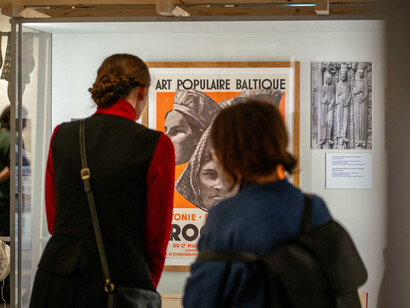
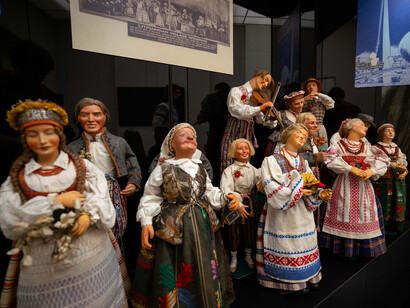
The exhibitions held in Paris in 1935 and 1937 – more than three decades later – already reflected the ambitions of an independent Lithuanian state. Participation alongside Latvia and Estonia symbolized the unity and place of the Baltic states in Europe. Folk art had by then acquired new meaning: it was no longer merely a sign of survival, but an expression of aesthetic vision and creative maturity.
Folk art represented Lithuanian identity for a reason. In the nineteenth century, under Russian rule, national self-awareness developed through folklore, crafts, and customs. The spirit of Romanticism, which sought a nation’s roots in its folk traditions, imbued this heritage with not only emotional but also political significance. Folk art allowed Lithuanians to define what distinguished them from other nations – to speak not only about craftsmanship and aesthetics, but also about values such as creativity, diligence, harmony, and the pursuit of freedom.
The synthesis of ethnography, history, and art that links all three exhibitions gradually helped shape the image of a vibrant, distinctive, and Western-oriented culture – an image that became an integral part of Lithuania’s cultural diplomacy.
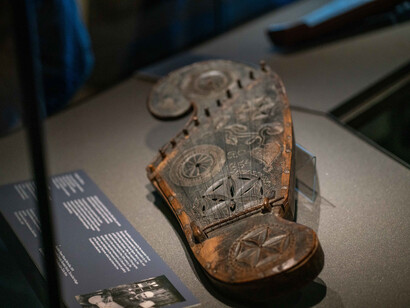
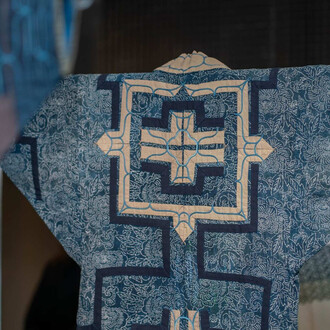
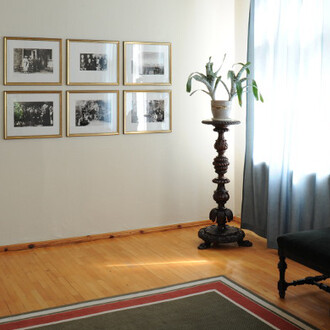
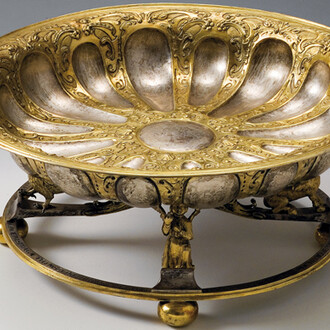
This exhibition brings together, for the first time in many decades, exhibits, documents, and photographs from those historical displays – today preserved in museums across France, Lithuania, Latvia, and Estonia. They are complemented by works of contemporary artists (Andrius Erminas, Laura Garbštienė, Morta Jonynaitė, Žilvinas Landzbergas, Lina Lapelytė ir Laura Stasiulytė) – works that forge imaginary bridges between the supposed past and the (un)predictable future, between political representation and individuality, between globality and locality, and between stable identity and its fluid manifestations.