English
 Español
 Français
 Deutsch
 Italiano
 Português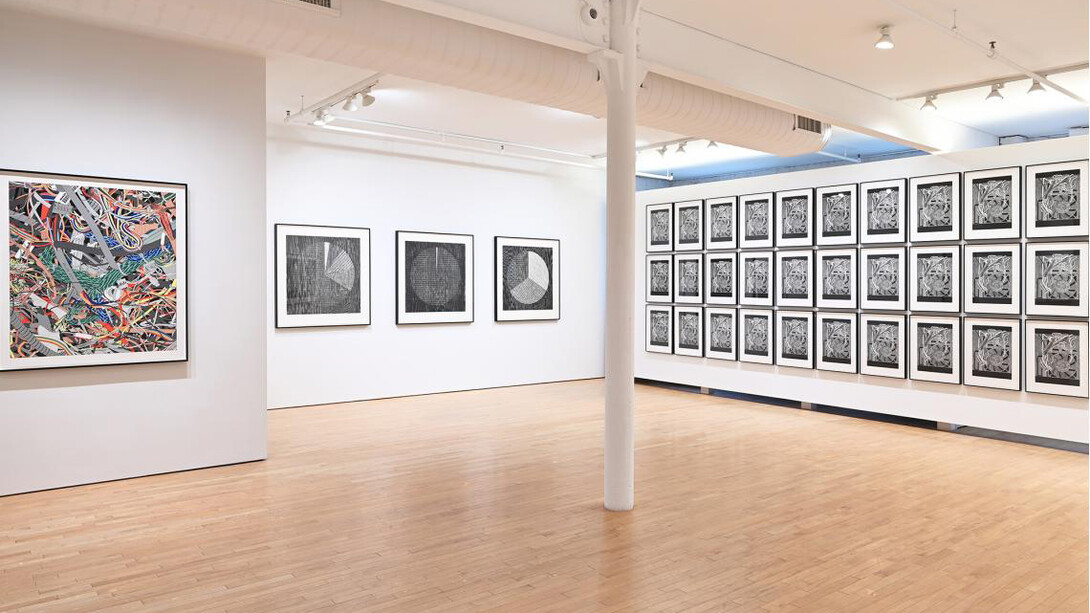
Gemini G.E.L. at Joni Moisant Weyl is pleased to present Analia Saban: data center on view September 24 through December 19, 2026 featuring new editions published by the renowned Los Angeles-based artists’ workshop, Gemini G.E.L.
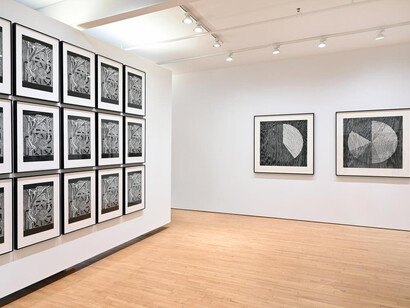
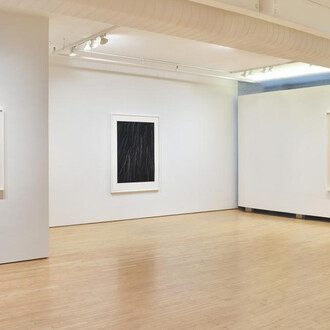
Analia Saban: data center features seven new editions exploring the aesthetics of data visualization and the infrastructure of our digital world. Using one of the oldest printmaking processes, woodcut, Saban creates a series of five Pie charts carved into the natural grain of the surface. A pie chart is a familiar tool used to depict data, designed to make information legible at a glance. The percentages resist any analytical interpretation, de-coupling the charts from their typical function. Each slice of the chart appears as a unique tonal field, the sum of the artist's mechanical carving with a handheld rotary tool called a Dremel.
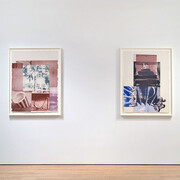
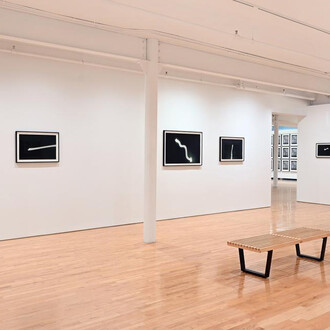
For this exhibition, Saban has chosen to show all 30 impressions of Computer fan (Woodcut), contrasting the slow and laborious process of handmade editions with the speed and scalability of industrial machine building. Saban has been investigating new technologies throughout her career, dissecting traditional art materials and remaking everyday objects in surprising and often humorous ways. The installation of an entire edition is unusual, and exposes the relationship of the mechanical printmaking press and the hand made quality of the edition itself, all while miming the vast, hidden, and ordinary Data centers of everyday life. The last print in the series, a large-scale color lithograph titled E-trash depicts a close up of tangled cables and wires, a modern day still life.
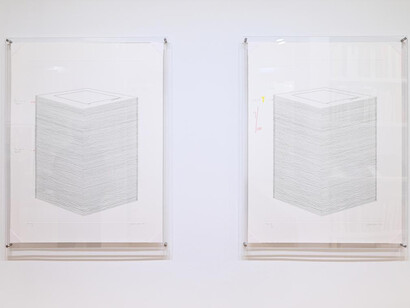
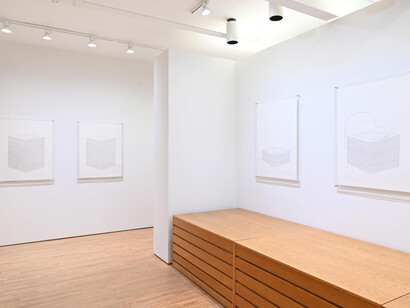
Also on view in our intimate Project Space will be Analia Saban: point to line to object to stack: this one featuring six 1-color etchings with unique hand coloring by the artist. Published in 2020, This One depicts different sized stacks of paper. One pile presents a full edition of 25 prints, another shows an edition of 50, and another illustrates 100 sheets of an edition. The grouping on view are Saban’s experimentations with arrows and hand-written notes to indicate which piece of paper in the drawing corresponds to the signedand-numbered impression of the print. Jason Farago of the New York times described the editions as “an ouroboros of printmaking [that] comes across its philosophical profundity partly through jest.”