English
 Español
 Français
 Deutsch
 Italiano
 Português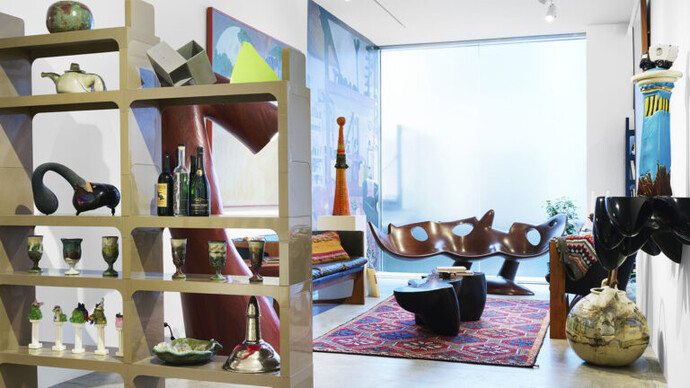
Friedman Benda is proud to present Wendell Castle: living, a solo exhibition that reimagines the home of the late American sculptor and furniture maker Wendell Castle (1932–2018), and ceramist and multimedia artist Nancy Jurs (b. 1941), opening in New York on September 17, 2026. Curated by their daughter, Alison Castle, the exhibition is inspired by a 1973 House Beautiful magazine feature capturing the artists’ creative living environment in Scottsville, NY. The article provides unique documentation of this imaginative interior, preserving an intimate view of Castle and Jurs’ works when they were part of everyday life.
Beyond depicting the domestic space of a prominent artist and his family—showing how someone who made such critically acclaimed work lived with it himself—the exhibition also reflects broader currents in American cultural life at the time. Returning to this source material, the exhibition considers how these two makers built a shared space in which domestic life and artistic production were inseparable. Nearly everything in the home was designed or made by Castle, Jurs, and their circle of artist friends.
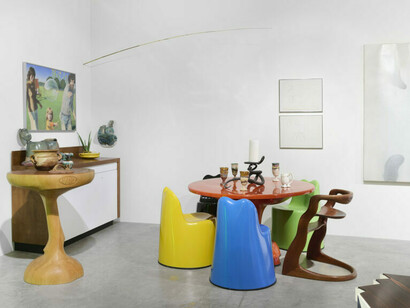
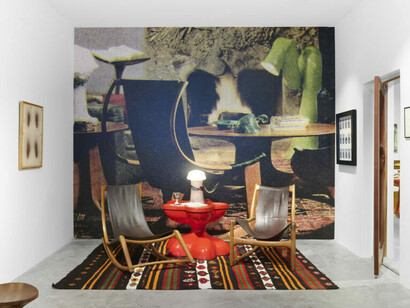
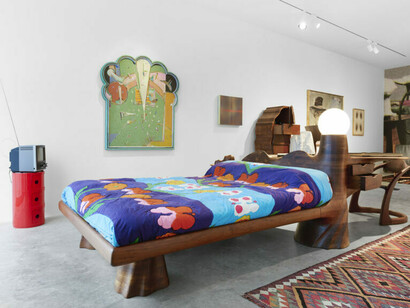
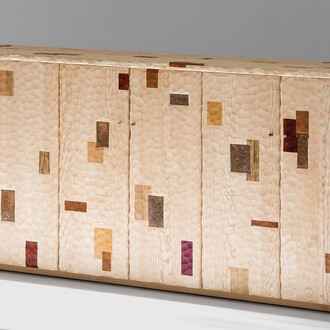
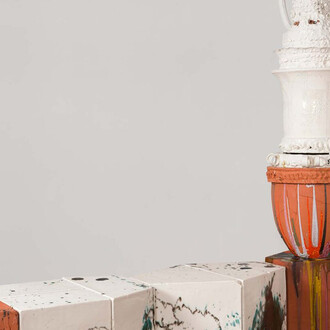
Several important works pictured in the House Beautiful article—but not seen in public since—have been lent by the family to the exhibition. These include standout examples of Castle’s innovative sculptural designs in wood and in molded plastic (among the first furnishings made in this material in America), as well as Jurs’ functional and sculptural ceramics. “Today, these works are usually seen in museums,” notes Alison Castle, “but as furniture, they were made to be used. I want visitors to experience what it’s like to live with them.” To achieve this effect, a number of domestic objects from this vital creative environment will also be on view, displayed to suggest a kitchen, a bedroom, and living and dining rooms.
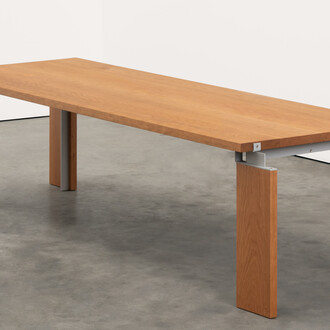
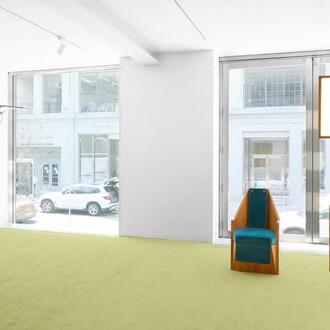
Along with major early works by Castle—Chaise rocker (1962), Floor lamp (1967), and multifunctional Environment (1972)—the exhibition will present several important later works giving a fuller picture of his long creative arc, including Caligari’s mistress’ desk and chair (1990), Arcadia (2010), and Opposites attract (2017).
Throughout a celebrated career spanning six decades of continuous invention, Castle introduced new ways of thinking about form and material. In doing so, he created a sculptural vocabulary that transformed the landscape of American furniture design. Shaped by a lifelong proximity to these works, Wendell Castle: Living offers a portrait not only of his expansive practice, but also of the context that sustained it.