English
 Español
 Français
 Deutsch
 Italiano
 Português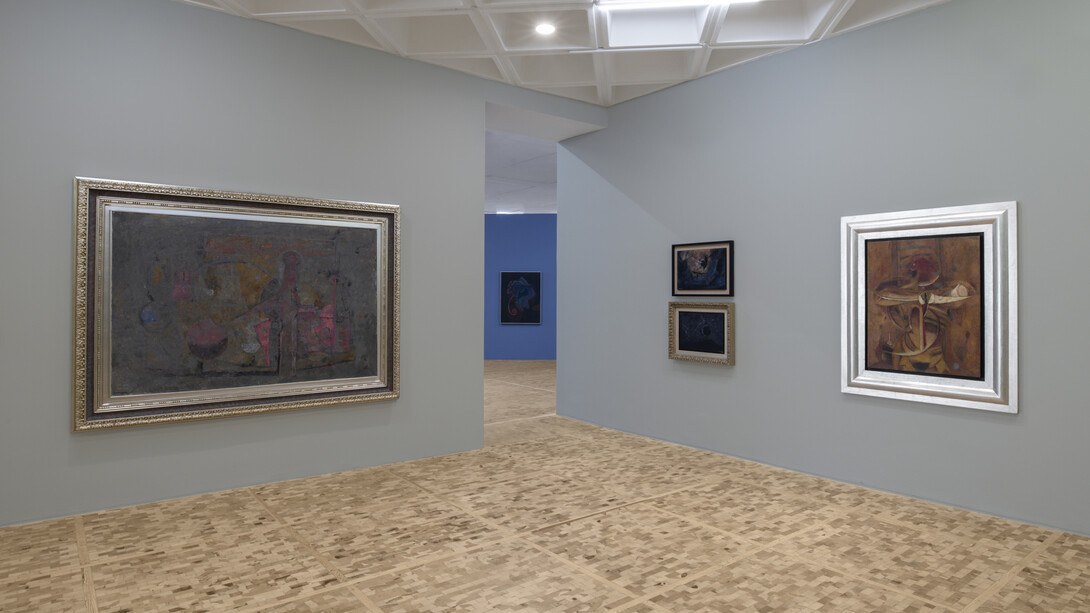
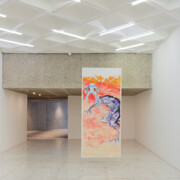
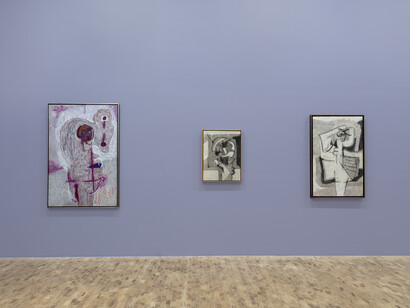
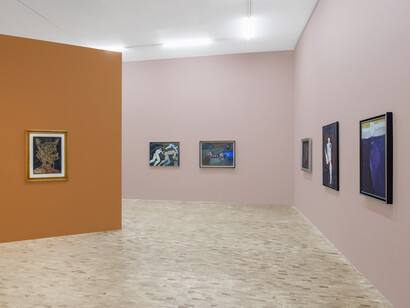
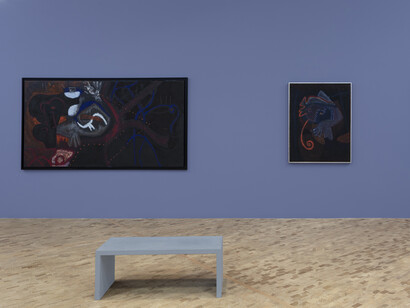
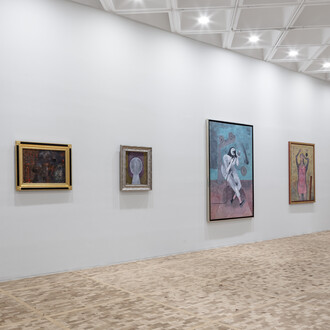
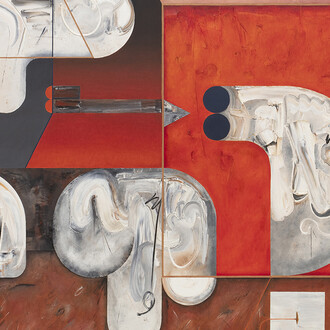
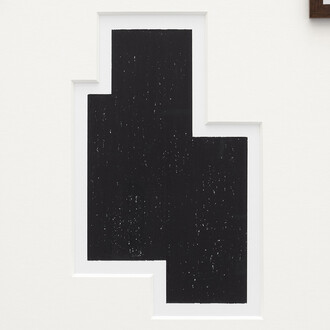
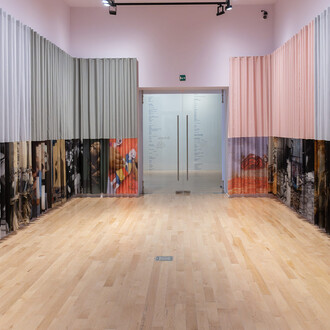
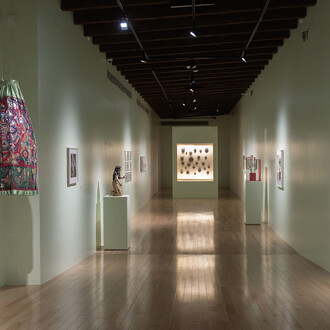
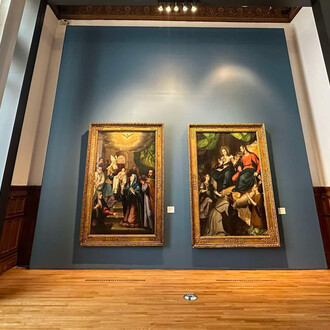
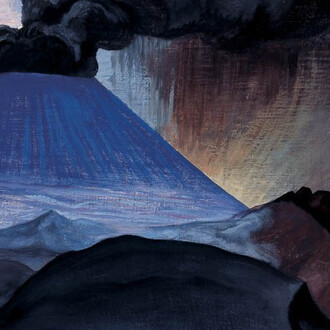
The exhibition brings together works by Oaxacan artists Rufino Tamayo, Rodolfo Nieto and Francisco Toledo, who lived for seasons in Paris in the second half of the 20th century, a geographical area and historical period where they transformed their practices and brought pre-Hispanic aesthetics and popular art into dialogue with international avant-gardes.
From different generations, they left their hometown to settle temporarily in Mexico City and then travel abroad. The three achieved their first recognition outside the country, away from government shelter.
In the French capital —one of the epicenters of contemporary culture and art in the second half of the 20th century— Tamayo, Nieto and Toledo developed their multidisciplinary work, painting, drawing, graphics and collage. The three artists linked up with other visual creators, writers and printing workshops, and other agents, which had repercussions on European art and culture.
One of the focuses of the exhibition is on the role of Rufino Tamayo as a guide for several generations of artists to develop their own thinking. Without intending to, Tamayo exercised leadership over creators who struggled to integrate from Mexico into modernity and participate in international artistic trends.
After their stays abroad, Tamayo, Nieto and Toledo returned to Mexico with solid prestige. His participation in the Mexican cultural sphere confirmed the disappearance of the nationalist canon that had prevailed in the country for more than 50 years.