English
 Español
 Français
 Deutsch
 Italiano
 Português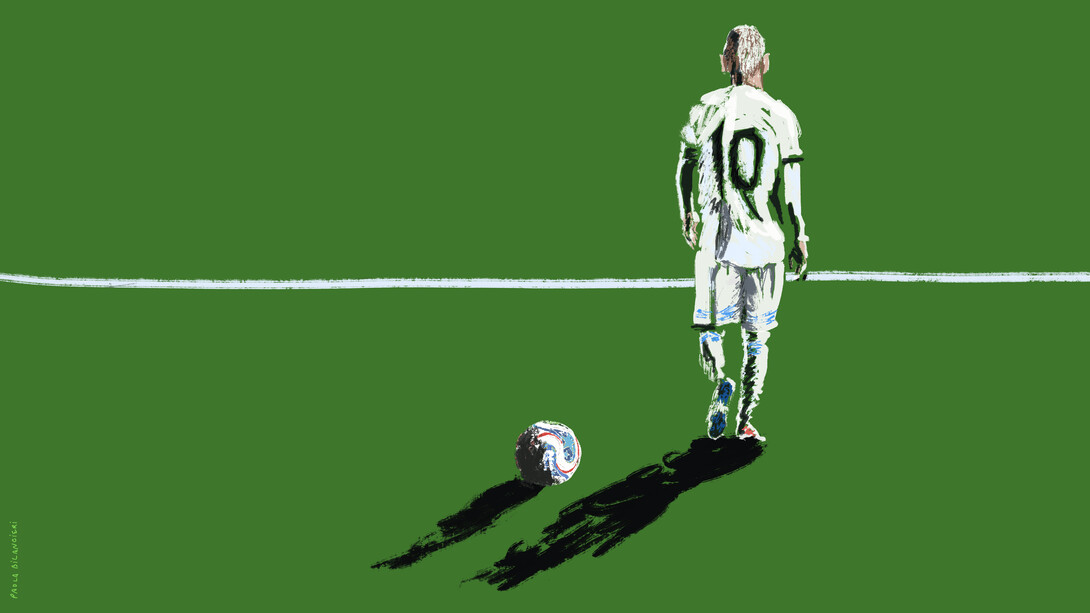
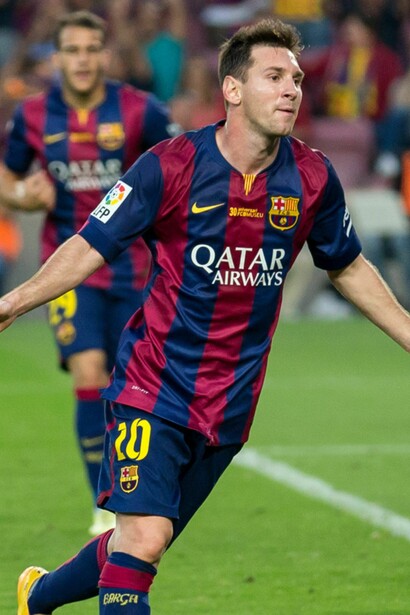
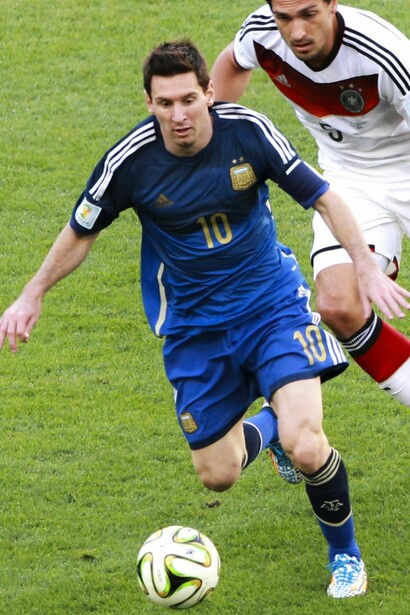
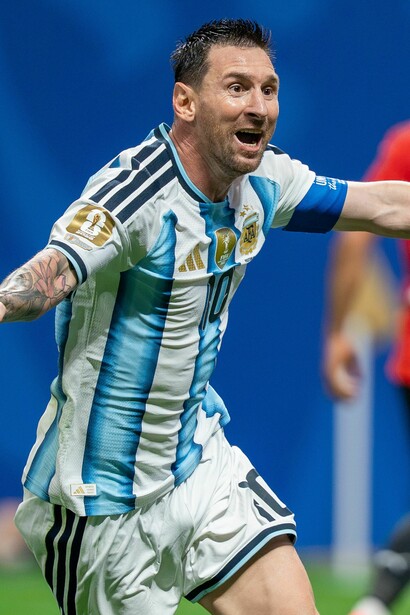
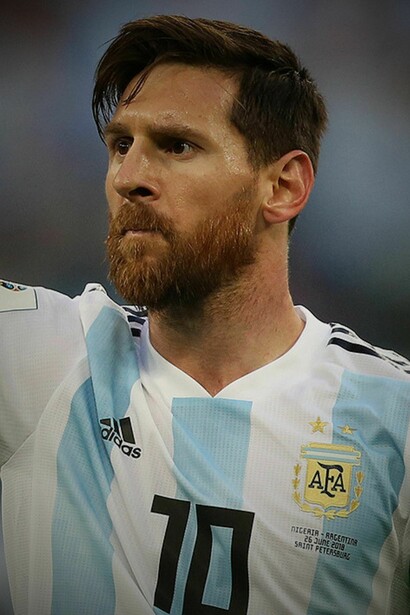
The news of Lionel Messi’s retirement shattered not only the world of football; it shook the world itself, given that he is one of the sport’s most recognizable talents. For many of his fans, it seemed he would play forever — a man whose passion for the game was matched by very few. But time is a cruel judge for any athlete, even one named Messi.
Messi’s remarkable career began when he started playing soccer at five years old. In 1998, at age eleven, he was diagnosed with Growth Hormone Deficiency, a condition requiring expensive treatment. Since his parents couldn’t afford it, Carlos Rexach, sporting director of FC Barcelona — who had seen Messi play in his native Rosario, Argentina — offered not only to cover his medical bills but also to bring him and his father to Barcelona. His mother stayed behind to care for his siblings.
For Messi, a timid boy of few words, adapting to his new environment was difficult. His teammates mocked him for being too short and for not speaking Catalan, Barcelona’s local language. As he later said in the TV series Sin Cassette: “My teammates were big, rough, and kind of assholes.” Between games, he spent long hours in his room, crying in secret so his father wouldn’t know how unhappy he was.
Gradually, however, he adapted. Those early adversities strengthened his resolve to become an exceptional player. Many claim that Messi’s brilliance is the result of Pep Guardiola’s teachings. Yet even as a child, Messi displayed extraordinary talent, deciding in milliseconds what his next move would be.
This unique capacity led Dutch physician Pieter Medendorp of Radboud University in Nijmegen to study Messi in order to understand how people make split‑second decisions and prioritize their actions. As Dr. Medendorp noted:
On the field, Messi knows where to find the other players and then decides not only how to escape a marking or where to go, but also what to do with the ball.
The late Uruguayan writer Eduardo Galeano said about Messi, “No one plays with as much joy as Messi does…He plays like a child enjoying the game, playing for the pleasure of playing, not for the duty of winning. I like Messi because he doesn’t think that he is Messi.”
Although there have been other players who may be equally as great as he is, they never keep up their brilliant performances for too long. They are just short-lived shooting stars. “Only Messi has kept this incredible performance for a long time,” told me the late José Delbo, a world-famous illustrator and soccer expert.
For somebody as famous as he is, Messi is unusually modest. During an interview, he said, “I’m more worried about being a good person than being the best player in the world. When all this is over, what are you left with?”
The Mexican writer Juan Villoro thus explained Messi’s magic, “We don’t know how far Lionel Messi will go. We only know that there are no defenses or locks that can stop him. When a child wants a bicycle, he is capable of many things. When a man plays like a boy who wants a bicycle, he is the best footballer in the world.”
Many times, Messi has been called an extraterrestrial being. After a game in which he didn’t participate because of an injury, Barcelona lost after a lackluster performance. The headline in a Spanish newspaper said it all: “Without Messi, Barcelona is only a terrestrial team.”
The best explanation for Messi’s talent, however, comes from Argentine writer Hernán Casciari, in his blog ironically titled Messi Is a Dog. Casciari wrote that after watching countless Messi games — both in person and on YouTube — he realized Messi plays as if in a trance, hypnotized by a single overwhelming desire: to see the ball in the opposing team’s goal.
Casciari wrote:
We must look into his eyes to understand this. He looks cross‑eyed at the ball, as if reading an out‑of‑focus subtitle. He focuses on it and never loses sight of it, even if they knife him. Where had I seen that look before? In whom? I knew that gesture of supreme introspection. I pressed pause on the video. I zoomed in on Messi’s eyes. And then I remembered: those eyes were Totín’s when he went crazy for the sponge.
I had a dog in childhood named Totín. Nothing moved him. He wasn’t a smart dog. Thieves came in, and he just watched them carry the TV. The alarm sounded and he didn’t hear it. But when someone — my mother, my sister, or myself — grabbed a sponge, a particular yellow dish‑washing sponge, Totín went mad. He wanted that sponge more than anything in the world; he wished with all his heart to take that yellow rectangle to his doghouse.
I showed it to him in my right hand, and he focused on it. I moved the sponge from side to side and he never stopped looking at it. He couldn’t stop looking at it. No matter how fast I moved the sponge, Totín’s neck moved with equal speed through the air. His eyes had the searching look of Sherlock Holmes. I discovered this afternoon, watching that video, that Messi is a dog. Or a man‑dog. That is my theory. I regret your having read this far with better expectations. Messi is the first dog who ever played soccer.
And this, dear reader, may be the best explanation for Messi’s talent.