English
 Español
 Français
 Deutsch
 Italiano
 Português
The health and fitness industry continues to grow rapidly, driven by an increased societal focus on wellness, longevity, and active living. If you're passionate about helping others move better, feel stronger, and live healthier lives, becoming a group fitness instructor or personal trainer can be a deeply rewarding career. These roles offer flexible schedules, fulfilling human connections, and the opportunity to be a positive force in people’s lives.
Whether you're aiming to lead high-energy group fitness classes or design customized workout plans for individuals, here’s a step-by-step guide to becoming a certified fitness professional.
Step 1: clarify your fitness career goals
Before you jump into training, take some time to identify your interests and ideal work environment. Do you thrive in a group setting where you can energize and motivate a room full of participants? Or do you prefer one-on-one coaching with more personalized attention?
Group fitness instructor: leads structured classes (e.g., Zumba, HIIT, yoga, cycling, strength) and often works in gyms, studios, or community centers.
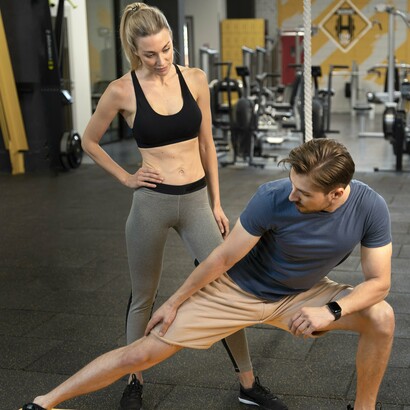
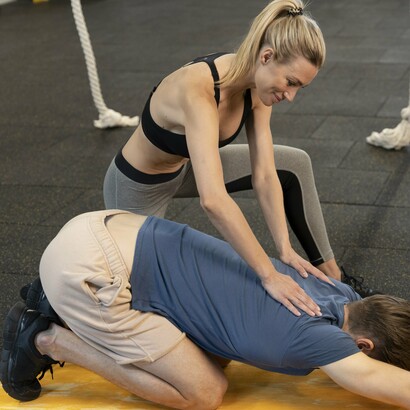
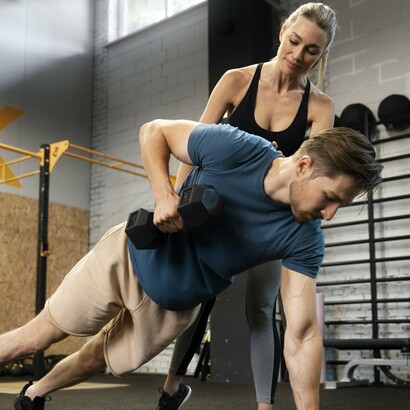
Personal trainer: designs and delivers individualized exercise programs, often in gyms, online, or private settings.
It should be emphasized that the two roles aren’t mutually exclusive. Known as hybrid fitness pros, learning both skill sets and obtaining both types of certifications can prove beneficial on several levels for professional growth and success. In general, group fitness instructors tend to be extroverted. There is an element of “exertainment” when leading a fitness class and interfacing with an “audience” seeking motivation, education, and energy from their instructor. In contrast, personal training is a more introverted task. A quieter one-on-one structure with focused individualized instruction lends itself to fewer demands on physical energy output but more demands related to personality and behaviour management.
If your goal is to work in fitness as a full-time career, pursuing both types of work can help balance a workday and overall career by feeding each side of your business. The barometer of success for a fitness class instructor is how many people attend your class, whereas the barometer of success for a PT is your client base. Teaching classes can help funnel more clients directly to you, while training those clients allows you deepen relationships, transitioning from generalized to personalized instruction and a higher likelihood of goal achievement.
Step 2: build a foundation of personal fitness
While you don’t need to be an elite athlete to be a trainer or instructor, a solid personal fitness foundation is important. Practice what you preach—understand how it feels to move your body regularly, set and work towards personal fitness goals, manage intensity, and recover. This builds your credibility and empathy when working with clients.
Start by attending different fitness classes or working with a trainer yourself to gain exposure to styles, methods, and approaches that resonate with you.
Step 3: choose a reputable certification program
To work professionally, you'll need a recognized certification. Here are some well-known options:
For personal training:
ACE (American Council on Exercise)
NASM (National Academy of Sports Medicine)
canfitpro Personal Training Specialist (PTS)
NSCA or ACSM (for advanced/professional-level credentials)
For group fitness instruction:
AFLCA / canfitpro Fitness Instructor Specialist
ACE Group Fitness Instructor
Les Mills, Zumba, or YogaFit (for branded formats)
Choose a program that aligns with your goals, budget, and timeline. Ensure it’s nationally or internationally recognized, encompassing both theoretical knowledge and practical skills. Note that CPR/First Aid is also required to complete a professional certification and would be a separate and distinct certification requiring renewal on a regular basis (see Step 5).
Step 4: study and prepare for certification
Most certification programs include a combination of self-paced study, in-person or virtual workshops, and final exams (written and/or practical). Topics usually include:
Anatomy and physiology
Exercise science
Program design
Coaching and communication
Health screening and safety
Special populations (seniors, youth, prenatal, etc.)
Give yourself time to study thoroughly. Many candidates take 3–6 months to complete the process, depending on their schedule and prior knowledge.
Step 5: gain CPR and first aid certification
Almost all fitness certifications require up-to-date CPR (Cardiopulmonary Resuscitation) and Standard First Aid training. This ensures you can handle emergencies with confidence and professionalism. Many local organizations, such as the Red Cross or St. John Ambulance, offer affordable, in-person courses. CPR/First Aid certification is also a baseline requirement for being insurable, which is another essential component for viable employment.
Step 6: get practical experience
Hands-on experience is critical to developing your skills and confidence. Here are some ways to get started:
Shadow a mentor: Ask a seasoned instructor or trainer if you can observe their sessions.
Volunteer: Offer to help with community events or youth fitness programs, or sports teams.
Practice teaching: Lead mini-workouts for friends and family and ask for feedback.
If you're pursuing group fitness, practice cueing to music, modifying exercises, and maintaining a positive presence. For personal training, work on client assessments, goal-setting, and program planning.
Step 7: apply for jobs or start your own business
Once certified, you can apply to work in:
Commercial gyms or studios
Community recreation centers
Private clinics or wellness centers
Corporate wellness programs
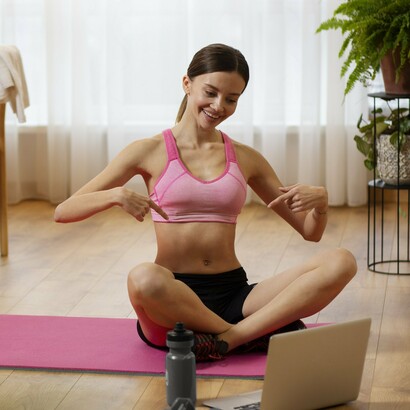
Online platforms (e.g., Zoom, apps, social media)
You may choose to work as an employee or an independent contractor. Alternatively, many trainers start their own business, offering in-home training, outdoor boot camps, or virtual coaching. Keep in mind you'll need business licenses, liability insurance, and a solid marketing plan if going solo. Completing a college-level business course is a good idea if going that route.
In this department, you want to consider your class and/or client rates. Conduct a thorough review of the average rates in your area. Class rates can vary greatly depending on multi-club chains or studio venues, and employee or contractor structures. For classes, charging per head may be lucrative, but you’ll need exposure to build full classes first, so working at a club with an existing membership base probably makes sense to start. Likewise, for personal training, there is a wide range of options, including renting space or sharing a percentage of income with a facility. But working in a club with existing clients seeking trainers will get you busy faster. Do your homework and do the math based on your goal net income, and develop a growth plan. Recognize that if you are short on experience, you cannot expect to charge at the highest end to start.
Step 8: continue learning and growing
The fitness industry is constantly evolving, so professional development is key. To remain certified, most organizations require ongoing continuing education credits (CECs) every 1–2 years. These can be earned through:
Specialty certifications (e.g., kettlebell, pre/postnatal, mobility)
Conferences (like canfitpro, IDEA, SCW, ACSM, or BCFit)
Online courses and workshops
Reading and research
Additionally, improving your communication, business, and customer service skills will set you apart in a competitive market.
Step 9: embrace diversity and inclusion
Today’s fitness professionals must be equipped to work with clients of all abilities, backgrounds, and identities. Whether you’re training someone with autism, adapting exercises for older adults, or creating a welcoming space for 2SLGBTQ+ clients, cultural competence is essential. Seek out training on trauma-informed coaching, inclusive language, and accessibility so your services are truly welcoming to all. You may discover a passion for a certain specialty or niche that can serve to elevate your expertise and set you apart as the “go-to” for a particular client base.
Step 10: stay professional, passionate, and purpose-driven
A fitness career is hard but rewarding work. To differentiate and present as a consummate professional, it is vital to:
Be well-informed and stay within your scope of practice. Read quality research and filter through lots of misinformation to arrive at evidence-based class and program design.
Walk the walk and talk the talk. Everyone has a story – use yours to inspire others on their unique journey of health and wellness. Actively pursue the healthy lifestyle choices and activities that you encourage and expect of your participants and clients.
Look the part. Fitness is a people-facing, service-oriented business. Take pride in your appearance and be sure to look and smell fresh and energized for every class and client.
Practice a balanced lifestyle. As mentioned, fitness is hard work and has a high burnout rate. Balance your time and your energy and avoid over-scheduling yourself. You won't be able to help anyone if you make yourself sick.
Get comfortable selling yourself. People will be drawn to your classes and PT sessions because of your unique personality and training style. Build your brand and know your value, delivering on the success of one client and one class at a time.
At its heart, fitness instruction is about empowerment—helping people feel strong, supported, and capable. Whether you’re leading a packed class through burpees or guiding one client through their first push-up, your energy and compassion will inspire change.
Staying connected to your “why” will fuel you through long hours, early mornings, and ongoing learning. The more heart you bring to your work, the more impact you’ll have.
Becoming a certified fitness class instructor or personal trainer isn’t just a job—it’s a calling. It offers a meaningful way to serve others, promote health equity, and foster lifelong habits that improve quality of life. With the right education, experience, and mindset, you can launch a dynamic career that keeps you—and your clients—moving forward.