English
 Español
 Français
 Deutsch
 Italiano
 Português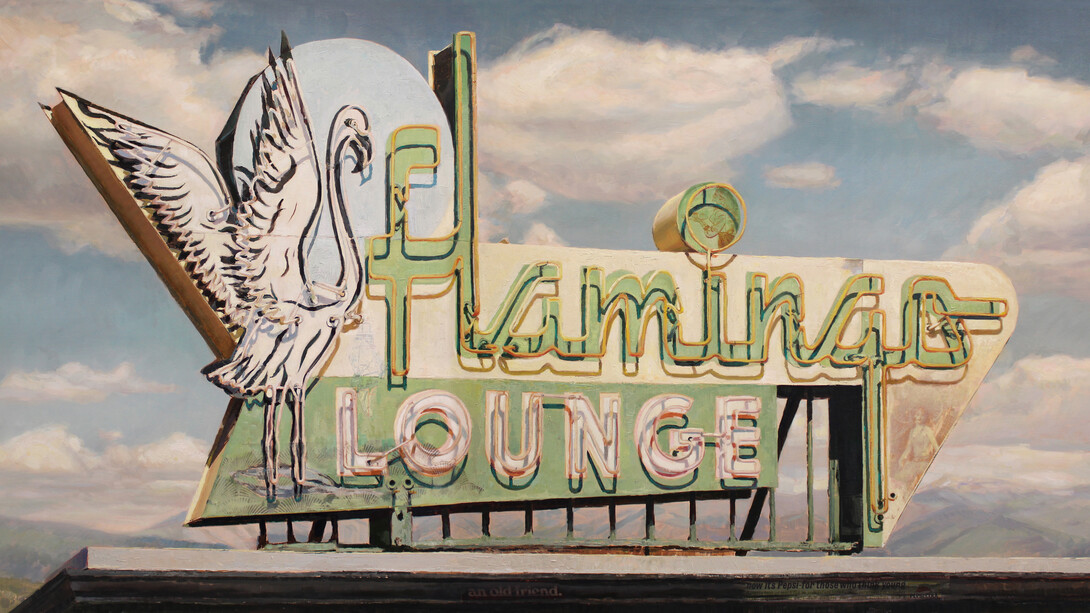
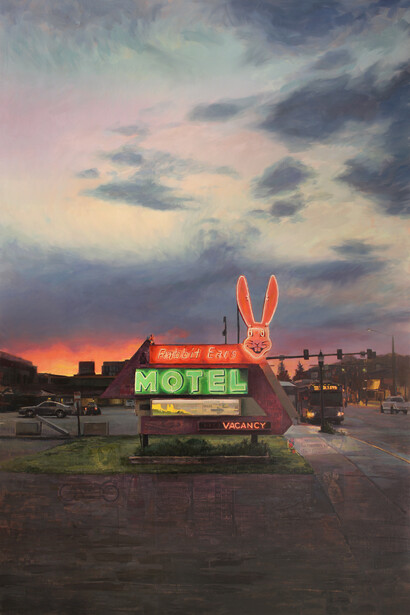
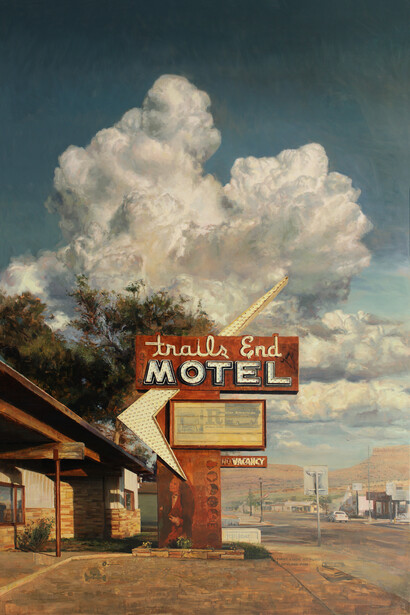
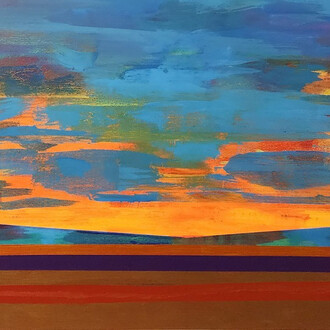
LewAllen Galleries presents Jason Kowalski: Notes from the west, exploring the lingering remnants and transient spaces of the American West. Kowalski’s work offers a compelling homage to roadside infrastructure—neon-lit motels, service stations, and quiet structures—that once anchored Route 66 and the back roads of a bygone era.
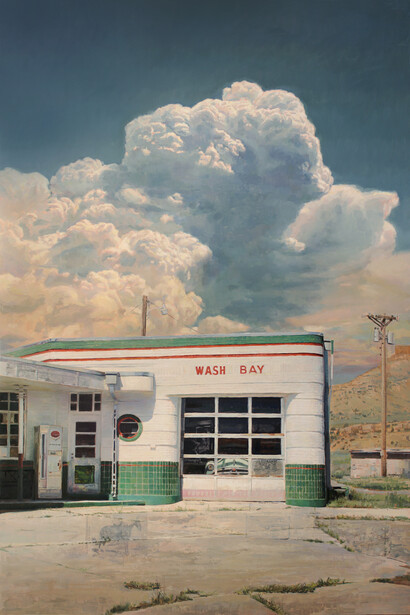
With a unique painterly finesse and deep reverence for the people who once populated these bygone roadside vestiges of an American Dream of the past, Kowalski presents works that are both beautiful and also historically provocative. These works bring back a sense of what neon-announced roadside motels from the 1940s and ‘50s that once proudly gave eager travelers respite from the rigors of a long day’s drive on Route 66, and so many other roads now less traveled, were like. He captures the spirit of old gas stations– then referred to as “filling stations” or, felicitously, even if sadly antiquated, as “service stations” – and cafes – often going by the loftier name of “diners”, of which there more than 6,000 alongside America’s country roads and highways by the mid- 1950’s. All these places, - and even the rusty tractors and pickup trucks that helped to do the work of providing food to the nation – remain with their own stories of American greatness, if only one takes the time and makes the effort to really look closely and learn about them.
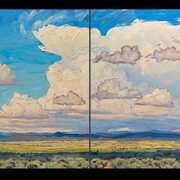
His paintings reflect his having done just that and, without artificially romanticizing the reality that time has left these past places abandoned and deteriorating, Kowalski does a masterful job of hinting in his work about what some of their stories were. He builds a complex physical archive beneath his painted oil surfaces. Using paper ephemera— vintage map fragments, receipts, handwritten notes, and ledger entries, sometimes themselves of similar vintage with those places or referencing them—as part of his studio methodology, he establishes texture and structure before applying paint. The resulting composition partially conceals and reveals this material layer, allowing text and cartography to peer subtly through glazes of oil. This technique mirrors the desolation of the landscapes themselves; by deliberately omitting human figures and contemporary vehicles, Kowalski transforms these quotidian scenes into timeless, cinematic environments. Stripped of immediate utility, the aging architecture and weathered surfaces invite closer contemplation, urging viewers to pause and recognize a shared American heritage before moving on.
Trained in drawing and painting at the Laguna College of Art and Design, Kowalski works from his studio in Monument, Colorado, embarking on frequent road trips across Colorado, New Mexico, Utah, and the broader West. Approaching his subjects with the conviction that “preservation does not equal restoration,” Kowalski depicts abandoned filling stations, sun-bleached trucks, and weathered signage as they exist today—marked by rusted seams, dented metal, and flaking paint. Rather than rendering romantic relics or nostalgic idealizations, he captures these structures as physical archives of collective memory and human passage. Kowalski’s works suggest these past places are emblems of the real American West of days long gone-by when America was great because it really was. And to really know what it was like then is not easy now, but his paintings reveal how these edifices, once great in their way and now dilapidated in their forms, can be like cultural archeology for those interested to know.