English
 Español
 Français
 Deutsch
 Italiano
 Português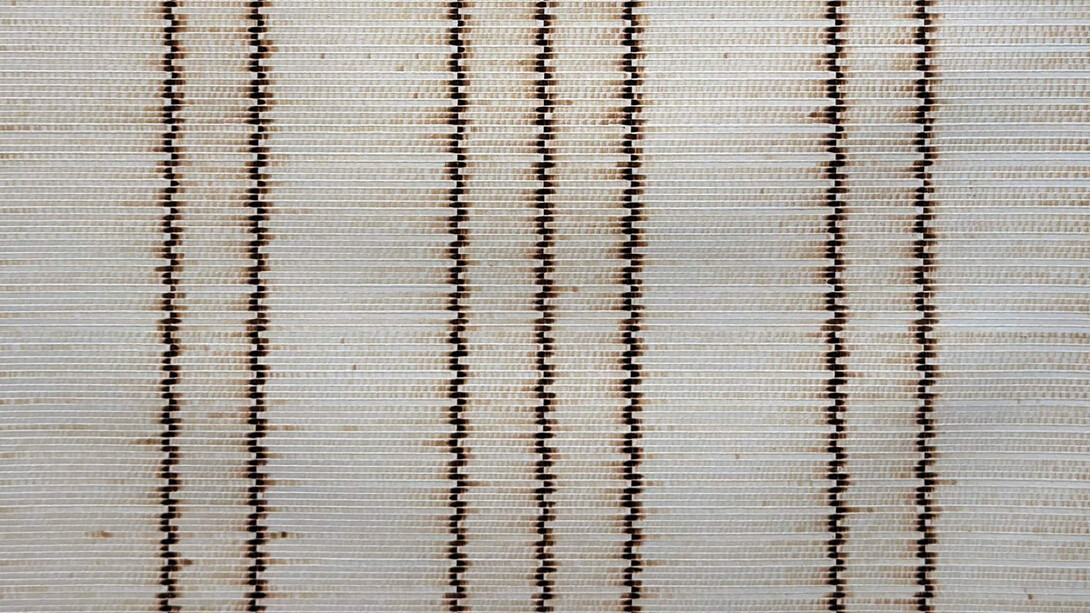
What remains of history when what is remembered is also what has been erased, altered or left unresolved? Nunc stans, meaning “the eternal present”, considers how the past continues to inhabit the present, not as a fixed record, but through memory, absence and interpretation. Histories are often imagined as an accurate record of the past, yet it is equally shaped by what is erased, what is not accounted for, and what remains unresolved.
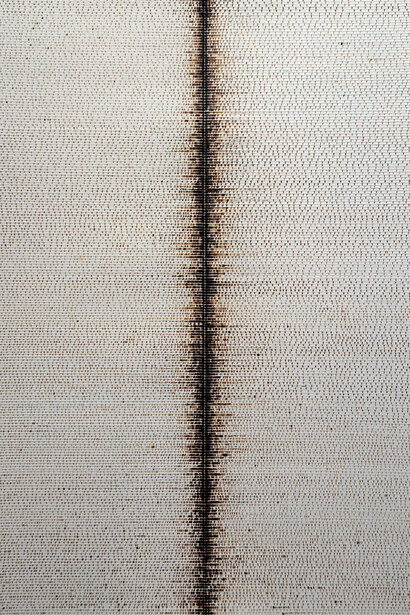
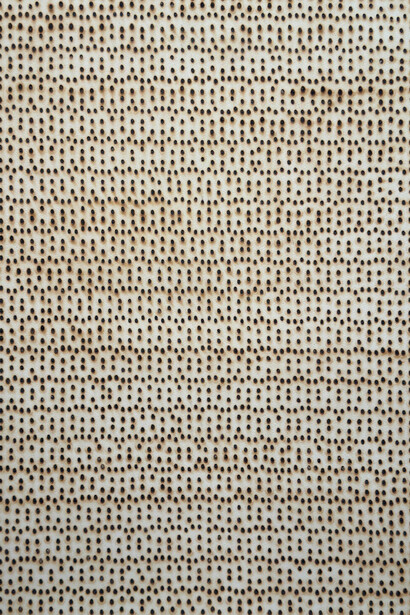
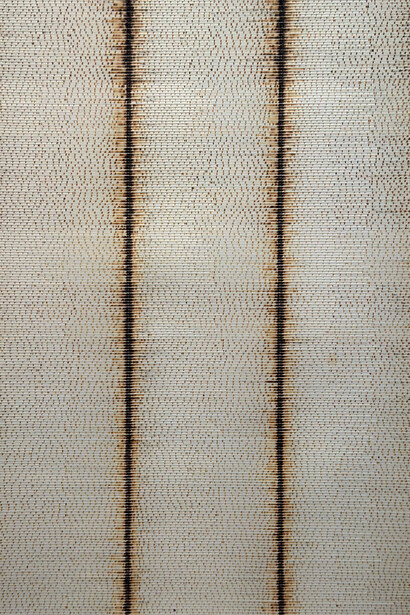
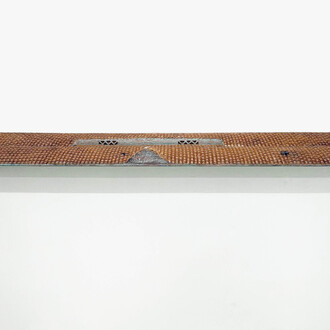
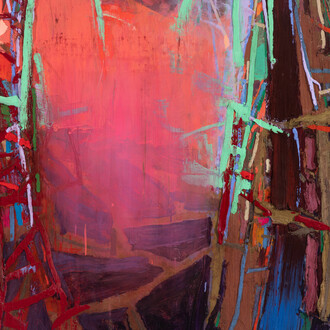
Marking Ankush Safaya’s third solo exhibition with Sakshi Gallery, Nunc stans brings together a new body of work exploring the relationship between history, memory and material. Safaya transforms surfaces through acts of scraping, burning and abrasion, allowing the physical process of making to become a record in itself. What is removed becomes as significant as what remains, creating spaces where absence is made tangible.
Repetition is central to Safaya’s process. Through recurring gestures and subtle variations, he slows down the act of making, allowing marks to accumulate and transform the surface. The resulting works occupy a suspended temporality, where the past continues to resonate while remaining open to interpretation.
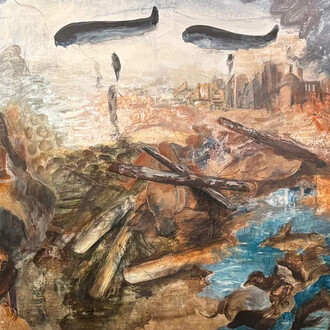
Across the exhibition, scarred and altered surfaces evoke the traces left by conflict, displacement and violence without presenting these histories as complete narratives. Instead, Safaya draws attention to fragments, gaps and silences, considering how events survive through what they leave behind.
In Nunc stans, material becomes a space where memory is continually rewritten. The works suggest that preserving history is also an act of transformation, and that remembering is never fixed, but remains an ongoing process of becoming.