English
 Español
 Français
 Deutsch
 Italiano
 Português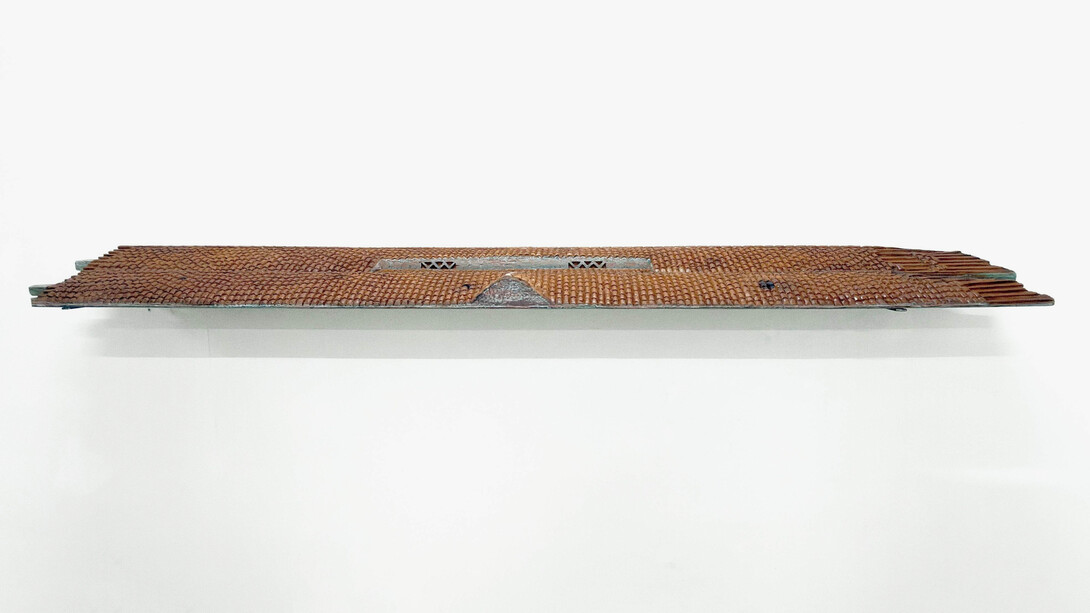
What if art was understood not only through what it depicts, but through the material, process and histories that shape it? Often, our first encounter with an artwork is through what it depicts, the subject of a painting or the image that immediately draws us in. But what if the material itself was not merely a medium, but an active bearer of meaning? What unfolds is a body of work in which the process is not separate from the image, but integral to it.
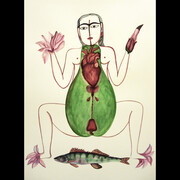
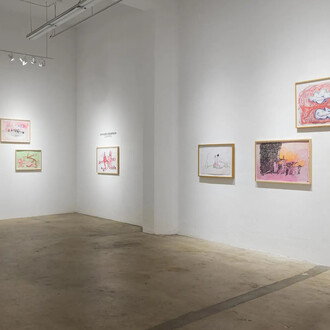
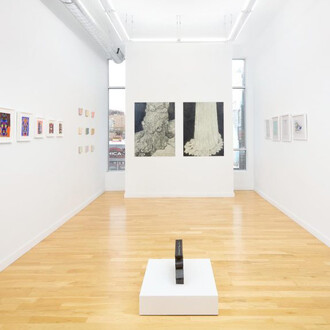
Sites of passage brings together Ajaysingh Bhadoriya, Bhanu Shrivastav, Madhukar Mucharla, Pratik Sutar, Rohit Varekar and Shadiya CK, whose practices foreground material as a site of inquiry, memory, labour and social history. The exhibition predominantly features artists whom Sakshi Gallery is presenting for the first time.
Working with clay and bronze casting, Ajaysingh Bhadoriya approaches material as a bearer of memory and emotion. His vessels carry narratives of resilience, repetition and everyday life, transforming familiar forms into repositories of lived experience. A similar attention to memory informs Shadiya CK's practice, which draws on natural materials and decaying objects to reflect on impermanence and the ways humans create, preserve and inherit memory.
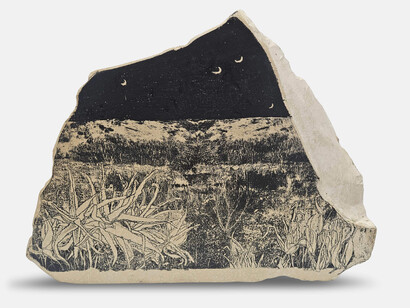
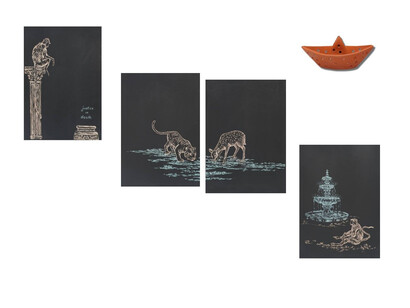
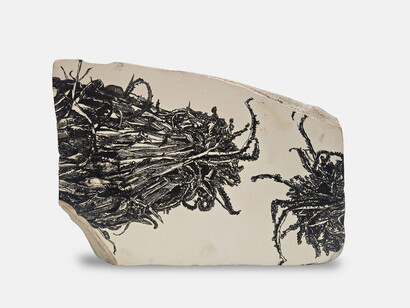
Ideas of place and collective history emerge through material in the practices of Rohit Varekar and Bhanu Shrivastav. Borrowing from the vernacular architecture of the Konkan region, Varekar works with reclaimed and discarded materials to reflect on migration, abandonment and transformation, while Bhanu Shrivastav employs wood engraving, terracotta and coal to examine the layered histories embedded within material and landscape.
Questions of labour, identity and inherited social structures shape the practices of Madhukar Mucharla and Pratik Sutar. Mucharla's work responds to his own background as someone who belongs to the Madiga community, historically associated with leatherwork. By working with leather, Mucharla confronts and questions caste-based histories and stigmas of impurity associated with the material. Through sculpture, Sutar explores the relationship between craftsmanship, cultural inheritance and contemporary practice, foregrounding process, skill and labour as central to the making of meaning.
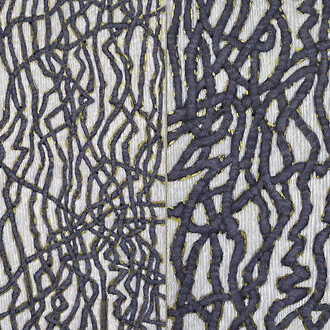
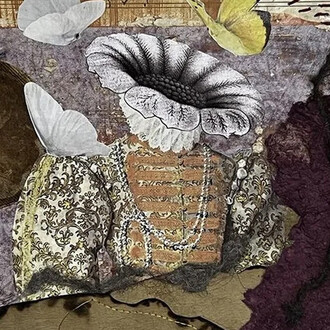
Working across clay, reclaimed wood, terracotta and natural materials, the exhibition considers material not as a passive medium but as an active participant in meaning-making. Memory, labour, social histories and lived experience are embedded within these works, inviting viewers to look beyond the image and consider how the act of making itself shapes what we see.