English
 Español
 Français
 Deutsch
 Italiano
 Português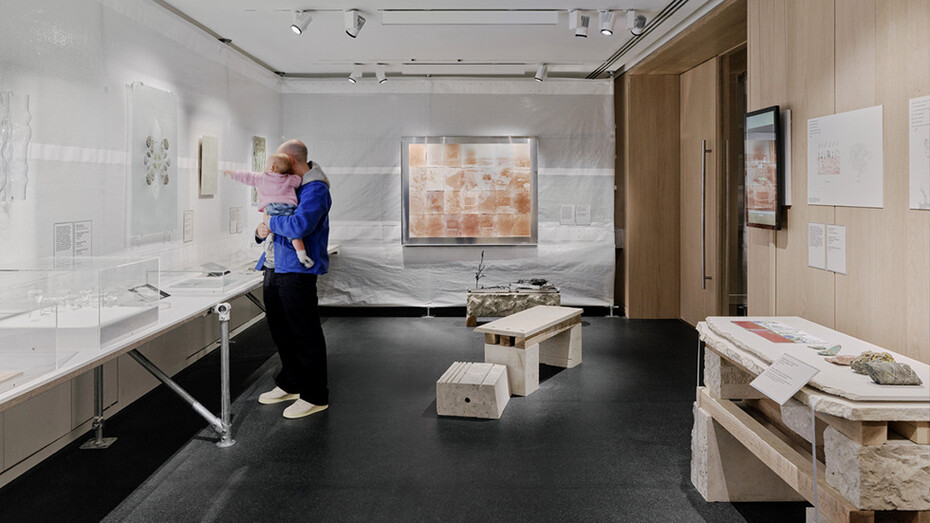
Minerals, concentrated in the Earth’s crust, are a finite resource. Yet, global demand for critical minerals is accelerating, particularly with the transition to renewable energy systems. The International Energy Agency estimates that by 2040, the demand for key minerals like lithium, cobalt and rare earth elements will be four times greater than today. These materials are integral to the manufacture of clean energy technologies, including wind turbines and electrical networks, and central to the UK’s net zero goals.
From kaolin pits in Cornwall to salt mines in North Yorkshire, the UK’s geological landscape is scarred by centuries of mineral extraction. These materials are not only held in geological strata. The mineral composition of soil and water plays a crucial role in supporting biodiversity and regulating ecological processes and mineral fertilisers are used to provide plants with nutrients to grow. These delicate dynamics, often overlooked, are integral to the health of both natural and agricultural landscapes.
Simultaneously, there is a second mineral landscape in our urban environments: veins of ore embedded in discarded consumer electronics. Post-use materials represent a critical untapped resource. Can net-zero goals be sustained through the continued extraction of finite mineral resources? How can design research better understand the UK’s dependence on these minerals?