English
 Español
 Français
 Deutsch
 Italiano
 Português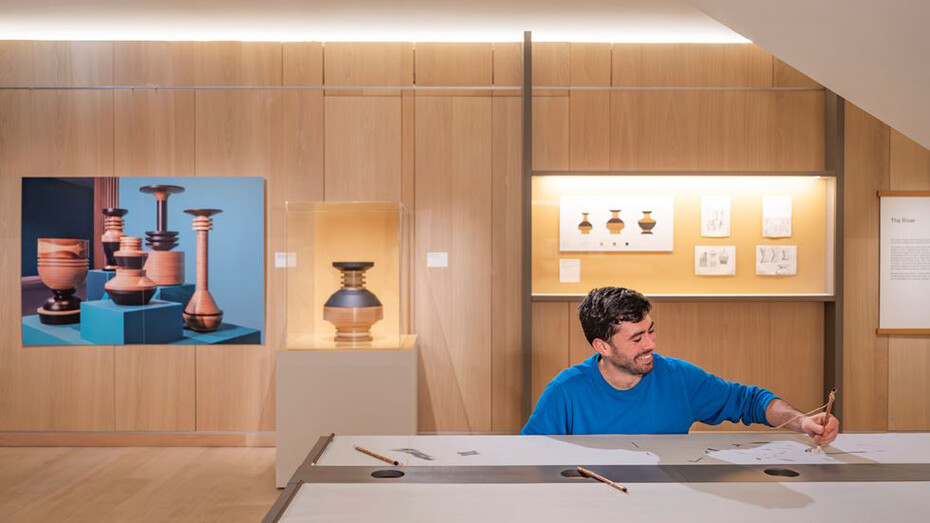
Platform is an annual display dedicated to showcasing contemporary design practice. The second edition in the series presents the fascinating work of designer Simone Brewster. Free to visit, the display is open until January 2027.
Platform is an annual initiative to expand our exhibition and display programme with free, year-long displays showcasing the work of designers or studios making an impact on contemporary design discourse.
Launched in 2025, it demonstrates the broad reach of design in society and offers designers a unique opportunity to share their work with the museum's visitors. The first Platform display showcased the work of multi-disciplinary designer and artist Bethan Laura Wood. This second iteration of Platform presents the work of London-based designer, educator and cultural change-maker Simone Brewster for her first-ever museum show.
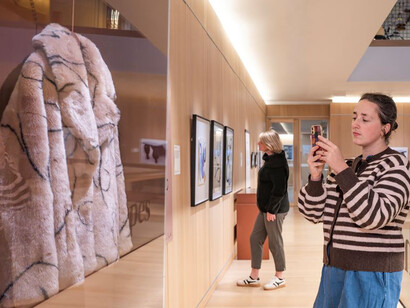
Around the four walls of level 1, Platform opens a conversation about contemporary design practice, inspiring a new generation of designers.
Simone Brewster plays with form, working across scales and disciplines and defying quick categorisation. She employs a visual language that is architectural and sculptural, rich with material histories and layered with references from palaeolithic fertility deities to African diasporic traditions.
Spanning four sections – Passages, Everyday ornaments, Scales of emotion and Body narratives – this monographic display explores Brewster’s multidisciplinary practice and the rich narratives she imbues in her designs.
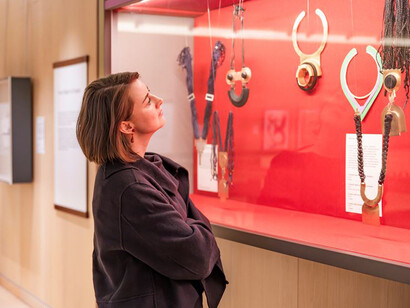
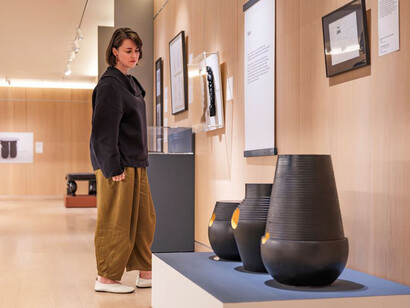
Highlights include striking painted explorations of the female form, jewellery from her Ebony Revolution series, sculptural stepping stools crafted from ebonised tulipwood, and a vibrant 2.5m tall pillar originally commissioned for the London Design Festival 2023. The display unveils the artist's brand-new work, ‘Negrita' – a bench crafted in ebonised tulipwood, employing the same structural language as its chaise and side table counterparts. It also features a sound piece that reconstructs the moods of the places Brewster references in her spatial work: the home, the forest, the temple, and the river.