English
 Español
 Français
 Deutsch
 Italiano
 Português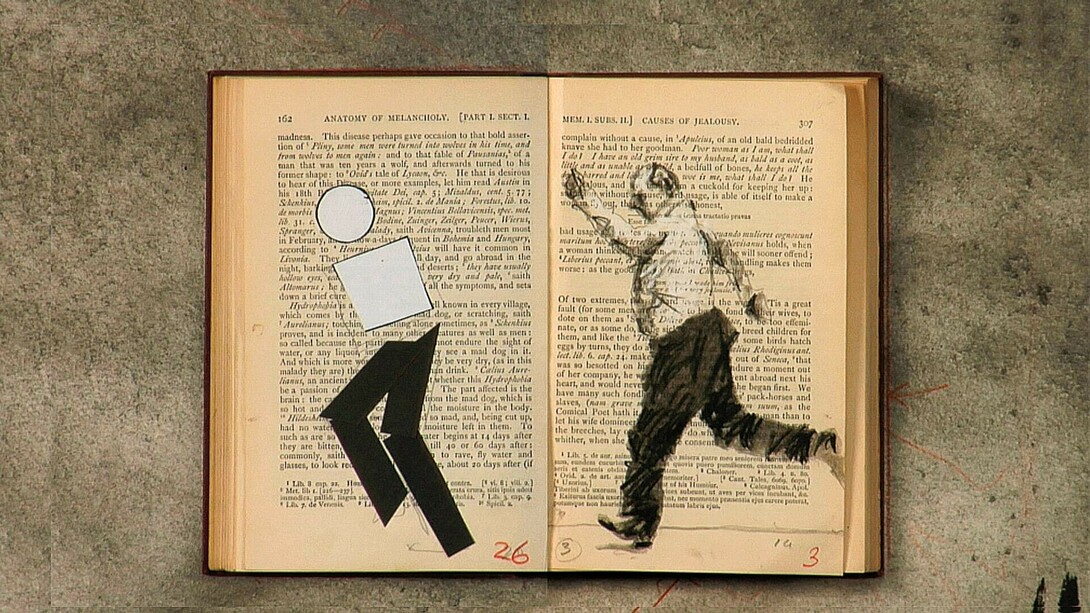
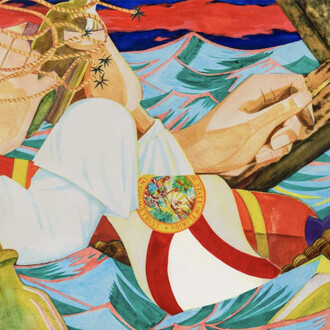
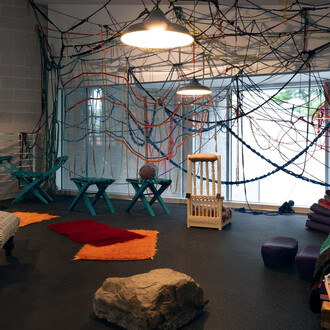
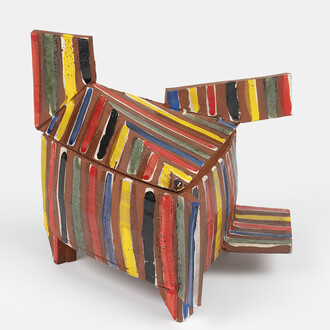
A feeling of with is three explorations of the self in relation. Here—in the artworks presented across three galleries—relation is subject and structure. Whether through language, nature, or mathematics, these collections-based exhibitions encourage us to consider how we relate to ourselves, to one another, and to the world.
This three-part exhibition is intended not only to interrogate connections, community, and belonging, but also to express an idea about teaching museums as a space for teaching with objects—a model of the collections exhibition as a laboratory for developing critical thinking, observation, public speaking, writing, and other skills across disciplines.
The second in a series of year-long collections exhibitions that offer interdisciplinary teaching and learning opportunities to both our campus and wider audiences, A feeling of with involves curatorial collaboration with Skidmore faculty who provide distinct interpretive lenses based on their expertise. The exhibition offers a chance to make uncommon connections between artworks, and to experience the value of art for both its own sake and as a tool to catalyze creativity, promote civil discourse around urgent issues, and initiate new ways of understanding the world around us.
Behind, below, within
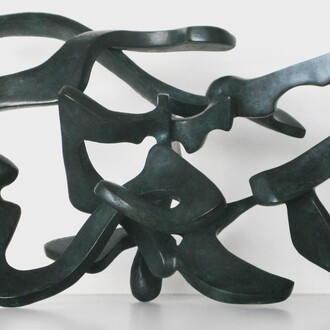
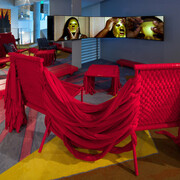
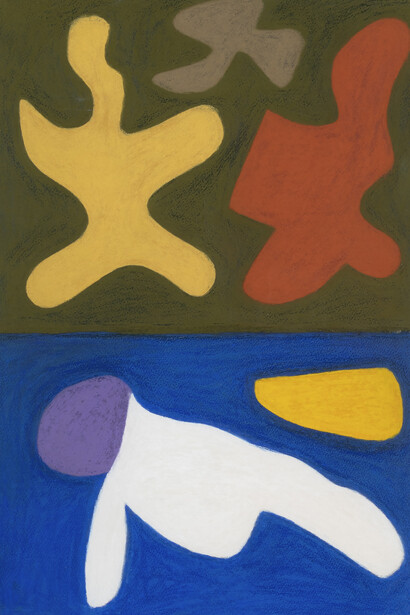
Behind, below, within considers the relations, movements, and feelings named by these three prepositions. Half-invisible and easily overlooked, prepositions arrange, shape, and hold together time and space. The works in this exhibition hide and reveal, submerge and lift, enclose and open, exploring behind, below, and within as vectors that channel feeling and shape experience. Co-curated with English Professor Mark Mayer and Dance Professor Brian Lawson, this visual conversation aims to connect us through language, body, and emotion.
Human nature
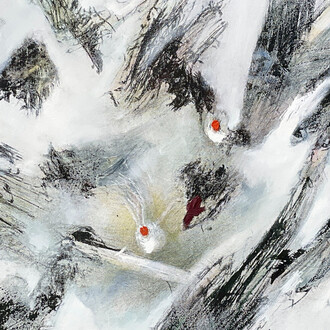
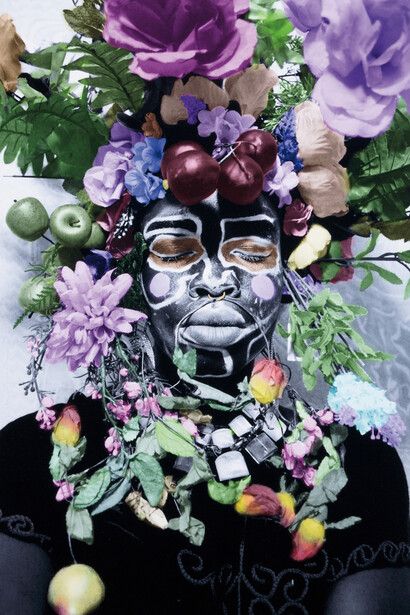
Human nature examines one of the oldest and most restless of human preoccupations: our place within—and our estrangement from—the natural world. Addressing encounters with nature, the exhibition shifts between the intimate and the immense. Co-curated with Art History Professor Talia Lieber and GIS Professor Nwasinachi Menkiti, these works ask viewers to slow down and look at the natural world as a system of meaning that both precedes and exceeds us.
The forms of things unknown
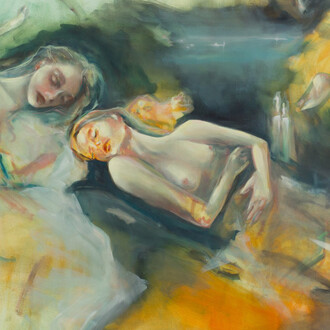
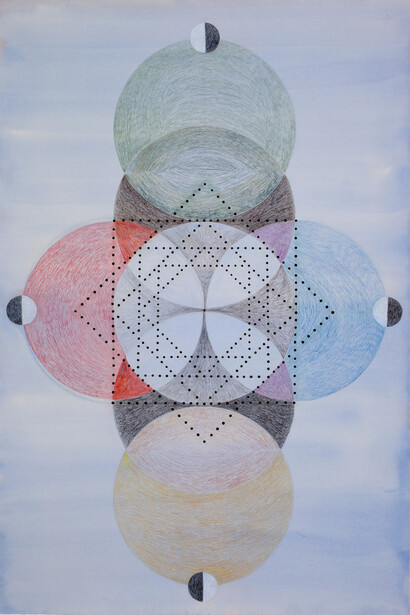
The forms of things unknown envisions the sacred through pattern, numbers, and geometry and explores the relationships we construct between these systems and the divine. Co-curated with Mathematics Professor and Director of the First Year Experience Rachel Roe-Dale and Religious Studies Professor Ryan Overbey, this exhibition delves into how these forms embody the spiritual, and why humans across time and culture are drawn to these languages to define sacred spaces.
![Nan Goldin, Mark tattooing Mark, Boston 1978 [from The ballad of sexual dependency] (detail), 1978. Courtesy of Tang Museum](/attachments/ff50b31f2f7bf5b10e6278ea274caccdd3a14e38/store/fill/330/330/10a8130fdd2df7b01aa074ed826351e332aeb7f661fffe953660cbd616ee/Nan-Goldin-Mark-tattooing-Mark-Boston-1978-from-The-ballad-of-sexual-dependency-detail-1978.jpg)