English
 Español
 Français
 Deutsch
 Italiano
 Português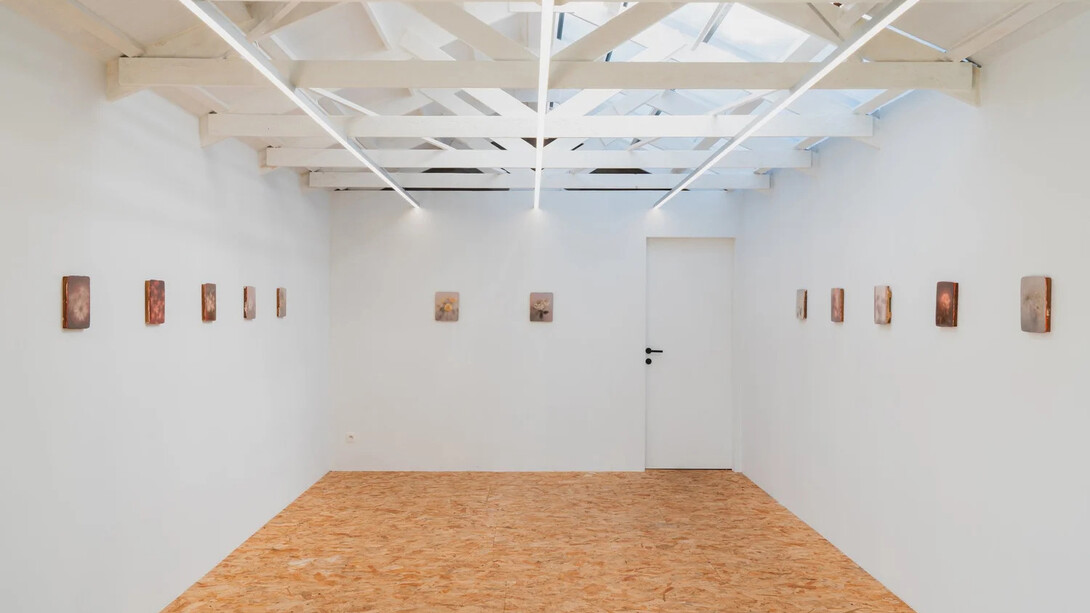
Quietude is a quite a unique word that holds meaning and function in both French and Portuguese. Referring simultaneously to an external silence and an internal state of being, it carries a particular resonance, forming a point of convergence for many facets of Alberto Lamback’s artistic practice and personal history.
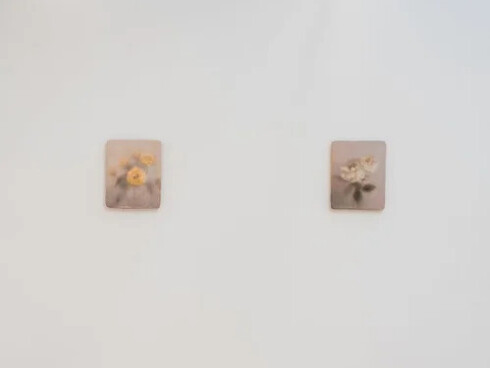
Alberto Lamback (1985, Brazil) is distinguished by his meticulous approach to image-making. The process begins not with the preparation of a canvas, but with the act of literally making one. Bordering on the ritualistic, the first stage of creation involves selecting a piece of wood, cutting it to size, and applying layers of gesso over several weeks. Throughout this prolonged process, he contemplates the image that will ultimately come to inhabit the surface.
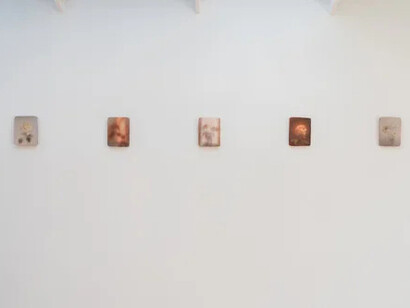
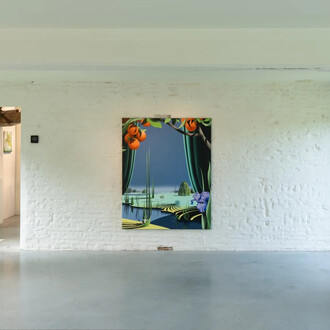
This gesture is fundamental to the articulation of Lamback’s imagery. It asks the viewer to slow down and attend closely to what is being depicted. As his paintings seem to flicker in and out of existence, disparate moments and elusive organic forms give way to memories and emotions that complete what remains unresolved. In the absence of certainty, quietude begins to manifest beyond the paintings themselves.
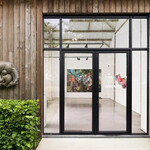
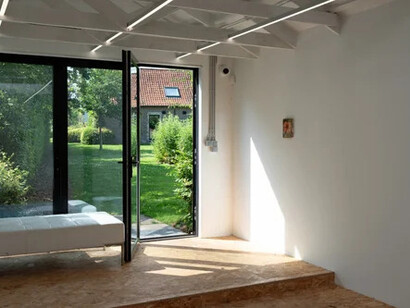
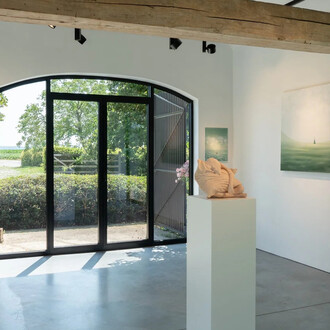
In Verduyn’s fourth pavilion, the relationship between artist and viewer becomes one of hesitation and return. Quietude brings together works that inhabit this state of suspended formation. Almost as though resisting resolution, the paintings refuse to settle into fixed meanings; instead, their shifting surfaces evade definition and challenge limitation.
Bordering between appearance and disappearance, recognition and ambiguity, Lamback’s works are not beholden to a singular image or narrative, but a space in which perception, memory, and feeling are allowed to linger in animated suspension. Lamback extends his own virtue, that of contemplation, to us all by encasing the fleeting snapshots of life into a tangible forever.